PHL is the first airport in the country to implement new facial recognition technology for Global Entry
Global Entry travelers entering the country no longer have to stop at a kiosk at Philadelphia International Airport to answer customs questions.
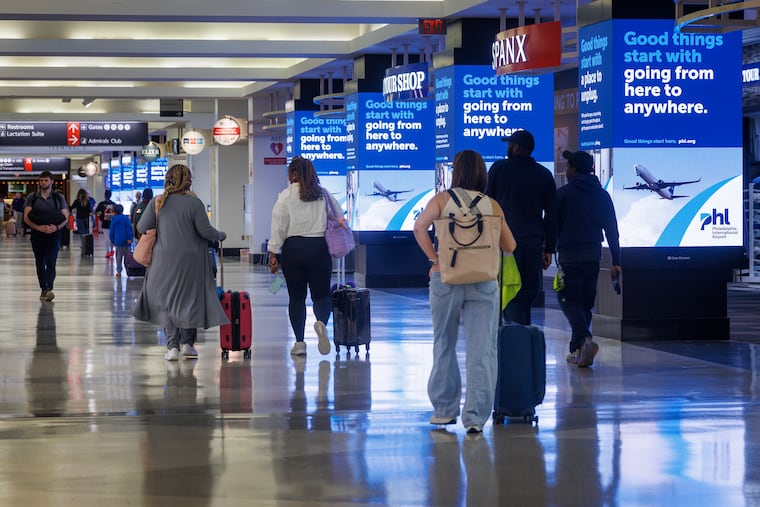
Global Entry travelers entering the country through Philadelphia International Airport no longer need to stop at a kiosk to answer customs questions when they land.
As of Oct. 13, travelers instead now pass through facial recognition cameras, according to a statement released this month by U.S. Customs and Border Protection (CBP).
PHL is the first airport in the country to deploy the new technology, CBP has said. The agency plans to install the new system across 30 airports.
“This improved process for Global Entry members reflects Customs and Border Protection’s continued efforts to process travelers more efficiently, enhance the international arrivals experience, and strengthen our nation’s security,” Elliot Ortiz, CBP’s area port director in Philadelphia, said in a statement.
The new technology is intended to “strengthen identity verification, streamline traveler flow, improve processing efficiency, and support CBP’s enforcement and security mission,” the agency said.
The Global Entry program was launched in 2008 and had 15.6 million members as of Oct. 1. As part of the program, travelers are able to use TSA PreCheck at airports when departing and the Global Entry lane upon arrival to go through customs.
Travelers who want to join the Global Entry program pay a $120 application fee and undergo a background check and interview. Eligible travelers include U.S. citizens and permanent residents, as well as citizens of other participating countries.
The update at PHL comes as CBP announced in January that it was launching facial recognition technology for U.S. citizens upon arrival through the normal customs process at the airport. PHL is one of 23 U.S. airports that have implemented the technology, along with 10 others internationally.
At the time of the announcement, an agency official said the new technology would result in PHL travelers experiencing “shorter wait times, faster processing through CBP arrivals inspection, and the improved ability to make their connecting flights.”
The airport also started using facial recognition technology in 2023 to board passengers onto international flights, after testing out the technology in 2020. Airport officials noted in a statement at the time that CBP is required to “biometrically record all foreign nationals who enter and exit the United States,” excluding those that don’t require a visa to be in the country.
The new biometric technology isn’t the only recent upgrade at PHL. Last year, the airport started adding new terminal exit lanes and updated bathrooms, amid other improvements in preparation for an influx of passengers in 2026 for the FIFA World Cup, MLB All-Star Game, and United States’ 250th birthday.
The airport has also been adding new options to its offering of lounges. Last year, American Airlines opened two lounges at the airport, and Chase Sapphire inaugurated its lounge between Terminals D and E. Escape Lounges is also planning to open a location in Terminal D this year.