Where to see cool birds near Philly, according to some of the region’s most enthusiastic bird watchers
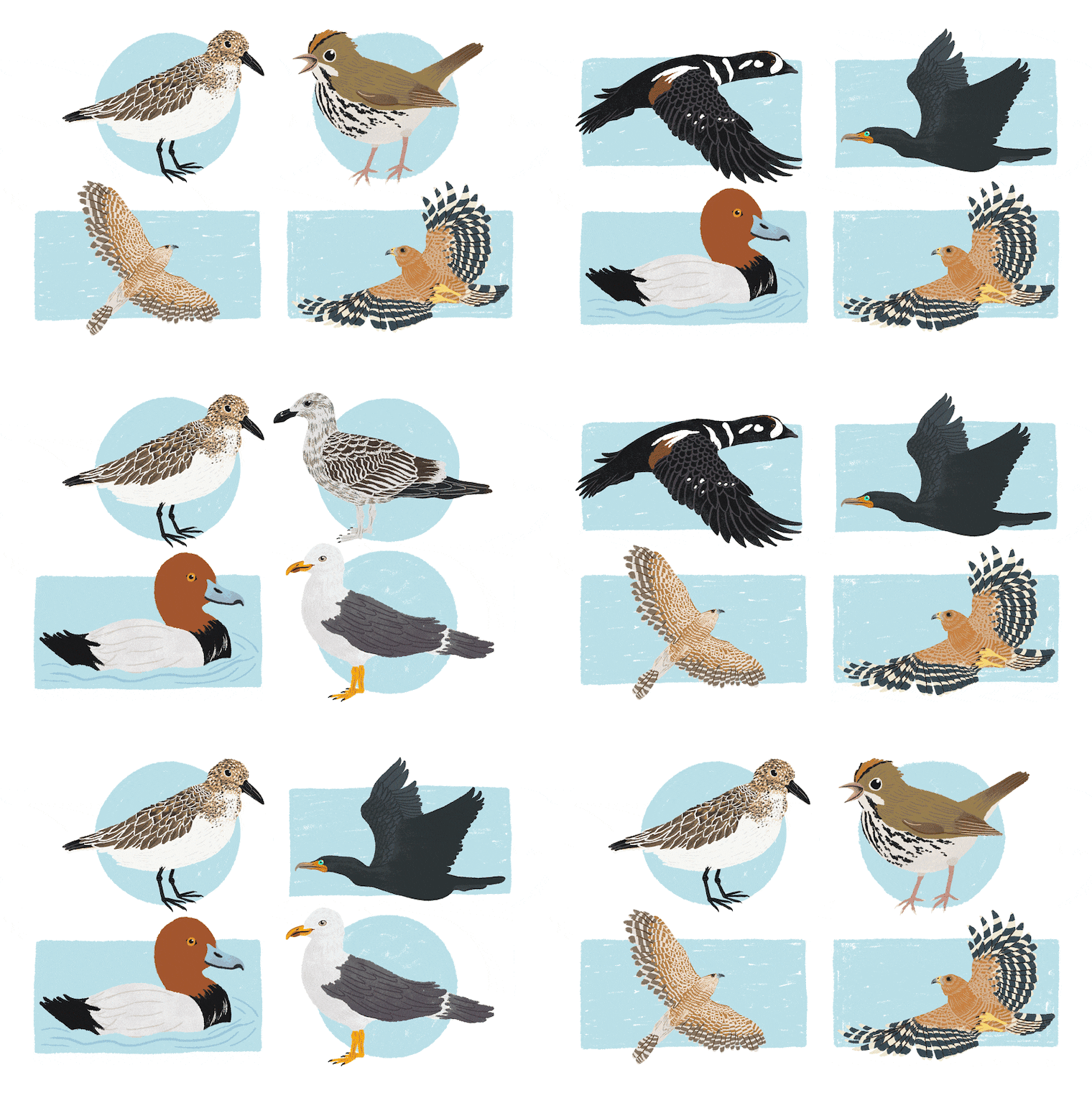
For Katrina Clark, a board member of In Color Birding group, her neighborhood park is what keeps her close to nature in a concrete forest. For Jonah Perelman, a member of University of Pennsylvania’s Quackers birding club, it’s a hidden spot that lets him unwind. And for Keith Russell, an ornithologist at Audubon Mid-Atlantic, the dizzying array of species in Cape May is a “spectacle.” The Philadelphia region has hundreds of great birding spots, from the migratory funnel of Cape May to the city’s John Heinz National Wildlife Refuge. Since the pandemic, nearly 50 million bird sightings have been reported to eBird, Cornell University’s citizen science project tracking avian activity, in New Jersey and Pennsylvania alone. Birding is booming, so The Inquirer asked area birders and ornithologists for their favorite spots within a two-hour drive of Philadelphia. Illustrations by Daniel Fishel for The Inquirer.
Barnegat Light State Park
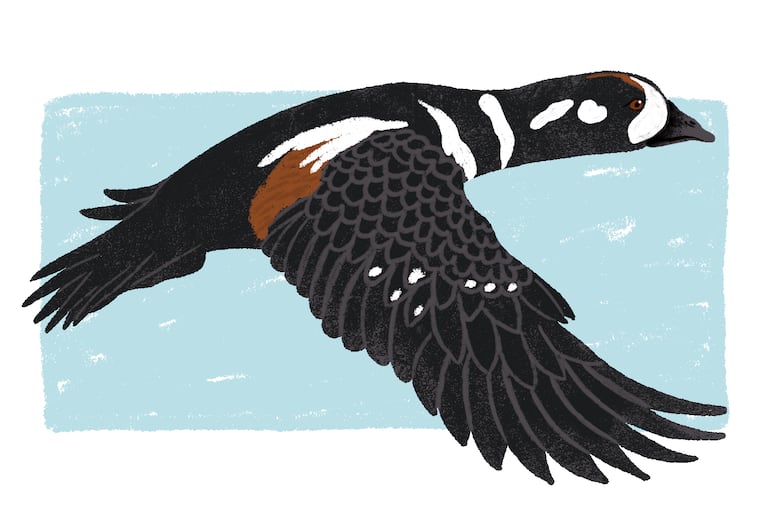
Birders looking for a local rarity needn’t look farther than Barnegat Light State Park. Famed for its lighthouse, the Ocean County park is also home to some unique bird species in New Jersey. “There are a lot of places in New Jersey to go, all the way up to North Jersey and down south. But if you’re going to pick a spot that’s super special besides Cape May, Barnegat Light has these unique birds you just don’t find hardly anywhere else,” Russell said. The park is well known among birders for its population of harlequin ducks. But Russell noted that purple sandpipers can also be seen feeding among the jetties that line the shore.
Cape May National Wildlife Refuge
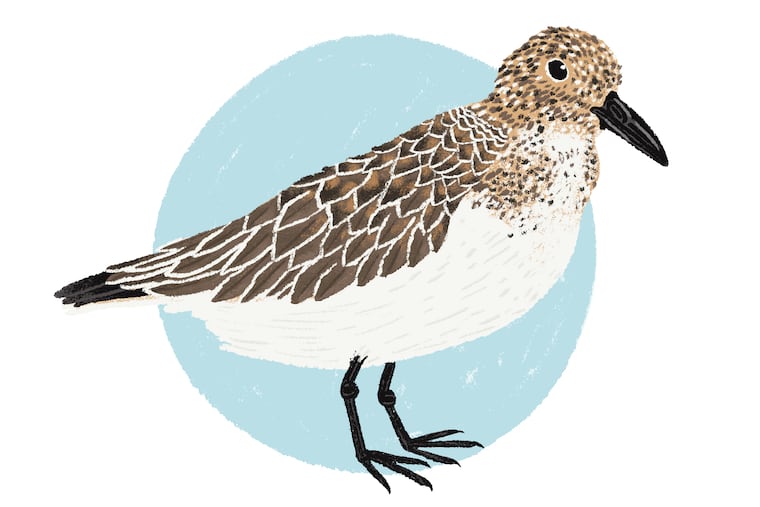
Cape May is widely known as the birding capital of New Jersey, and Cape May National Wildlife Refuge is a popular destination for people who want to see hundreds of different birds, especially during migrations. “There’s a huge amount of territory in Cape May where people look for birds,” said Keith Russell, an ornithologist with the National Audubon Society Mid-Atlantic. “Some of it's inland; some of it's on the coast; some of it's on the bay side; some of it's on the ocean side. It's a spectacle to see these birds in such high concentrations as they're migrating through that area.” The wildlife refuge, which spans a five-mile stretch along the Delaware Bay, is a significant resting and feeding area for migrant birds. You can see more species here than most anywhere else in the region, but eBird users often spot sanderlings and dunlins.
Cobbs Creek Park
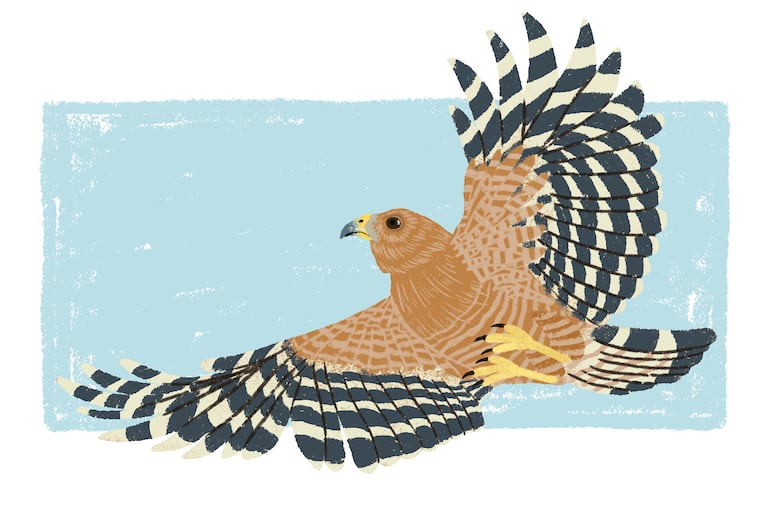
Cobbs Creek Park is an 851-acre green space and recreation area in West Philadelphia. For Katrina Clark, it’s a bridge between her city life and nature. “I can spot a downy woodpecker on Cobbs Creek, right in my own neighborhood as the trolley passes,” Clark, a member of In Color Birding, said. “It shows I cannot be disconnected from nature.” There are myriad species of birds seen at Cobbs Creek Park, but eBird users see the striking red-shouldered hawk and the palm warbler frequently.
Fort Washington State Park
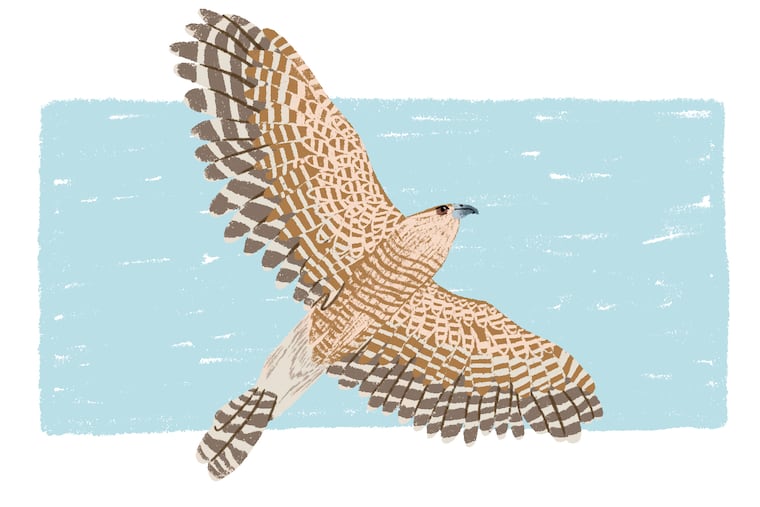
You can almost always find an experienced birder at Fort Washington State Park, a favorite local gathering point for hawks. The 493-acre park features a popular observation deck. “People watch migrating hawks go by in the daytime,” said Russell of National Audubon Mid-Atlantic. “You don’t have to be an experienced birder. You can sit there and they can show you the birds, and you can watch them go over. It’s a really nice feature of the birding world here.” There are multiple species of hawk that can be seen at Fort Washington, but eBird users report seeing the sharp-shinned hawk more than most.
Green Lane Park
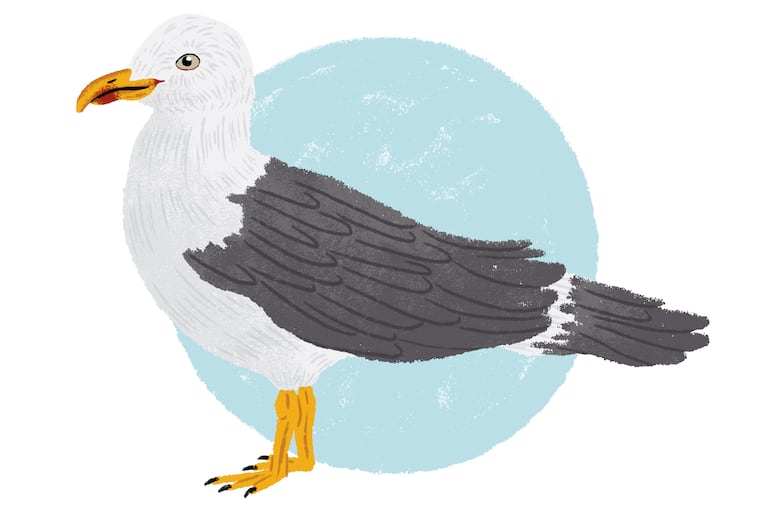
Located in northwestern Montgomery County, Green Lane Park is a 3,000-acre public space, dotted by recreation areas and hiking trails. The park frames the Green Lane Reservoir, which attracts a broad range of bird species. “The reservoir provides ample opportunity to see waterfowl, and the broad range of hiking trails gives access to a range of habitats, which are good for birding in both the breeding and nonbreeding seasons,” said Nilesh Shah of the Liberty Birding Alliance. Green Lane Park is one of the few places in the region where birders can spot a lesser black-backed gull.
Peace Valley Park
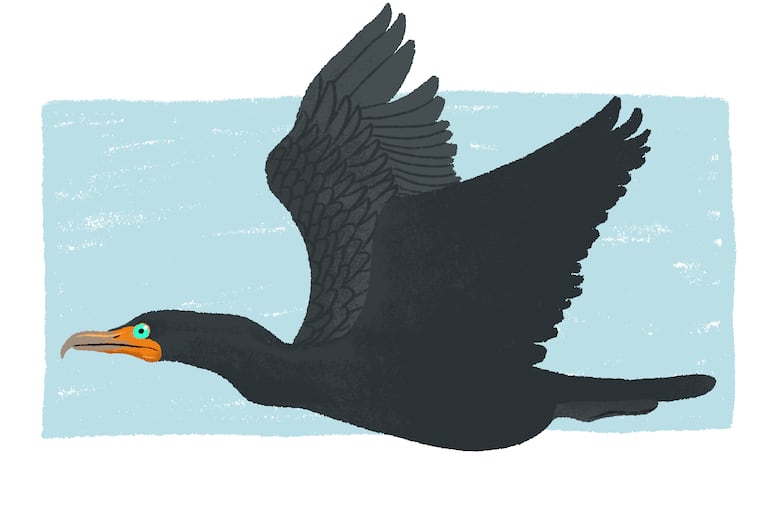
Peace Valley Park was formed in 1974, after the damming of the Neshaminy Creek formed the reservoir in the center of what became the 1,500-acre park. Located near Doylestown in Bucks County, the area evolved into a rich habitat for multiple types of bird species. “The trail around Lake Galena is good for songbirds, and the reservoir is always full of waterfowl,” said Nilesh Shah, of Liberty Bird Alliance. “Bald eagles have nested in the park for some time.” It’s one of the few places in the region where people can spot a lesser black-backed gull. Birders on eBird also reported seeing double-crested cormorants and ospreys frequently here.
Philadelphia Navy Yard
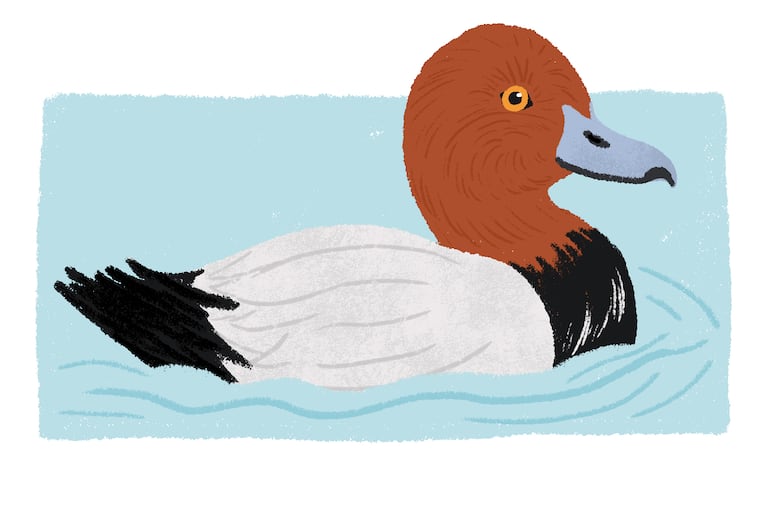
The hulking Philadelphia Navy Yard may not seem like an ideal place for spotting wildlife, but its prime riverside location and public spaces have made it a go-to spot for local birders. “Birders are there almost every day,” Russell said. “There's the Delaware River right there, and you can get terns and ducks and swans and all kinds of other water birds that you aren't going to see that easily in other places in our region.” Though the entire 1,200-acre space isn’t public, birds can be easily seen passing through the Navy Yard’s many open park spaces. Users of eBird reported seeing Canvasbacks and Greater Scaups more than other places in the region.
Schuylkill River Park
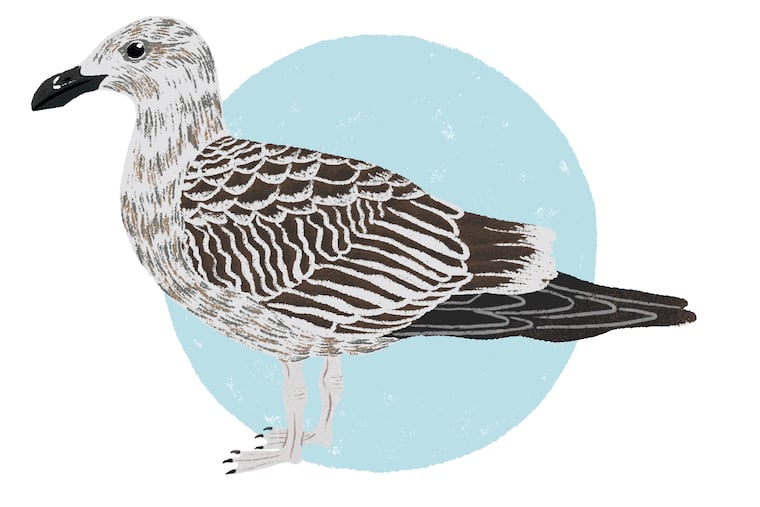
Schuylkill River Park may be best known for recreation, but for Elise Greenberg, it’s also an underrated spot to catch migrating birds. “It was such a migrant trap during spring migration and has been fairly active this fall as well,” said Greenberg, a member of Philly Queer Birders. “It’s easily accessible by public transit and perfect for a short outing at lunch or spending an hour or two.” Its riverside location makes it an ideal spot for seeing gulls. Ebird users reported seeing great black-backed gulls and ring-billed gulls more than anywhere else in the region.
University of Pennsylvania Biopond
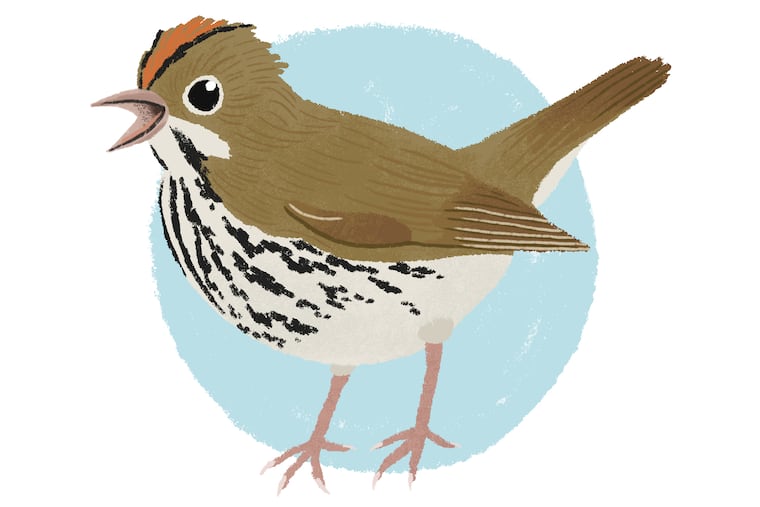
The biopond at Penn is an oasis on the sprawling 299-acre campus. The small green space is anchored by a pond in the center, bordered on almost every side by buildings. For the Quackers Bird Club at the University of Pennsylvania, it’s home base. “I've been there before when I was supposed to be in class,” said Jonah Perelman, a member of the Quackers. ”Some mornings in October there's just so many amazing migrating birds … and I'm like, I just got to stop and take this [in].” Perelman noted recent rare visitors included a red-breasted nuthatch and a yellow-brested chat, but eBird users have also frequently spotted ovenbirds and yellow-bellied sapsuckers near the pond.
Barnegat Light State Park
Birders looking for a local rarity needn’t look farther than Barnegat Light State Park. Famed for its lighthouse, the Ocean County park is also home to some unique bird species in New Jersey. “There are a lot of places in New Jersey to go, all the way up to North Jersey and down south. But if you’re going to pick a spot that’s super special besides Cape May, Barnegat Light has these unique birds you just don’t find hardly anywhere else,” Russell said. The park is well known among birders for its population of harlequin ducks. But Russell noted that purple sandpipers can also be seen feeding among the jetties that line the shore.
Cape May National Wildlife Refuge
Cape May is widely known as the birding capital of New Jersey, and Cape May National Wildlife Refuge is a popular destination for people who want to see hundreds of different birds, especially during migrations. “There’s a huge amount of territory in Cape May where people look for birds,” said Keith Russell, an ornithologist with the National Audubon Society Mid-Atlantic. “Some of it's inland; some of it's on the coast; some of it's on the bay side; some of it's on the ocean side. It's a spectacle to see these birds in such high concentrations as they're migrating through that area.” The wildlife refuge, which spans a five-mile stretch along the Delaware Bay, is a significant resting and feeding area for migrant birds. You can see more species here than most anywhere else in the region, but eBird users often spot sanderlings and dunlins.
Cobbs Creek Park
Cobbs Creek Park is an 851-acre green space and recreation area in West Philadelphia. For Katrina Clark, it’s a bridge between her city life and nature. “I can spot a downy woodpecker on Cobbs Creek, right in my own neighborhood as the trolley passes,” Clark, a member of In Color Birding, said. “It shows I cannot be disconnected from nature.” There are myriad species of birds seen at Cobbs Creek Park, but eBird users see the striking red-shouldered hawk and the palm warbler frequently.
Fort Washington State Park
You can almost always find an experienced birder at Fort Washington State Park, a favorite local gathering point for hawks. The 493-acre park features a popular observation deck. “People watch migrating hawks go by in the daytime,” said Russell of National Audubon Mid-Atlantic. “You don’t have to be an experienced birder. You can sit there and they can show you the birds, and you can watch them go over. It’s a really nice feature of the birding world here.” There are multiple species of hawk that can be seen at Fort Washington, but eBird users report seeing the sharp-shinned hawk more than most.
Green Lane Park
Located in northwestern Montgomery County, Green Lane Park is a 3,000-acre public space, dotted by recreation areas and hiking trails. The park frames the Green Lane Reservoir, which attracts a broad range of bird species. “The reservoir provides ample opportunity to see waterfowl, and the broad range of hiking trails gives access to a range of habitats, which are good for birding in both the breeding and nonbreeding seasons,” said Nilesh Shah of the Liberty Birding Alliance. Green Lane Park is one of the few places in the region where birders can spot a lesser black-backed gull.
Peace Valley Park
Peace Valley Park was formed in 1974, after the damming of the Neshaminy Creek formed the reservoir in the center of what became the 1,500-acre park. Located near Doylestown in Bucks County, the area evolved into a rich habitat for multiple types of bird species. “The trail around Lake Galena is good for songbirds, and the reservoir is always full of waterfowl,” said Nilesh Shah, of Liberty Bird Alliance. “Bald eagles have nested in the park for some time.” It’s one of the few places in the region where people can spot a lesser black-backed gull. Birders on eBird also reported seeing double-crested cormorants and ospreys frequently here.
Philadelphia Navy Yard
The hulking Philadelphia Navy Yard may not seem like an ideal place for spotting wildlife, but its prime riverside location and public spaces have made it a go-to spot for local birders. “Birders are there almost every day,” Russell said. “There's the Delaware River right there, and you can get terns and ducks and swans and all kinds of other water birds that you aren't going to see that easily in other places in our region.” Though the entire 1,200-acre space isn’t public, birds can be easily seen passing through the Navy Yard’s many open park spaces. Users of eBird reported seeing Canvasbacks and Greater Scaups more than other places in the region.
Schuylkill River Park
Schuylkill River Park may be best known for recreation, but for Elise Greenberg, it’s also an underrated spot to catch migrating birds. “It was such a migrant trap during spring migration and has been fairly active this fall as well,” said Greenberg, a member of Philly Queer Birders. “It’s easily accessible by public transit and perfect for a short outing at lunch or spending an hour or two.” Its riverside location makes it an ideal spot for seeing gulls. Ebird users reported seeing great black-backed gulls and ring-billed gulls more than anywhere else in the region.
University of Pennsylvania Biopond
The biopond at Penn is an oasis on the sprawling 299-acre campus. The small green space is anchored by a pond in the center, bordered on almost every side by buildings. For the Quackers Bird Club at the University of Pennsylvania, it’s home base. “I've been there before when I was supposed to be in class,” said Jonah Perelman, a member of the Quackers. ”Some mornings in October there's just so many amazing migrating birds … and I'm like, I just got to stop and take this [in].” Perelman noted recent rare visitors included a red-breasted nuthatch and a yellow-brested chat, but eBird users have also frequently spotted ovenbirds and yellow-bellied sapsuckers near the pond.