A hack exposed personal info of nearly 300 Philadelphia-based DHS personnel
A hacking group breached 41,000 Department of Homeland security personnel files, including hundreds of employees at Philadelphia-area field offices.
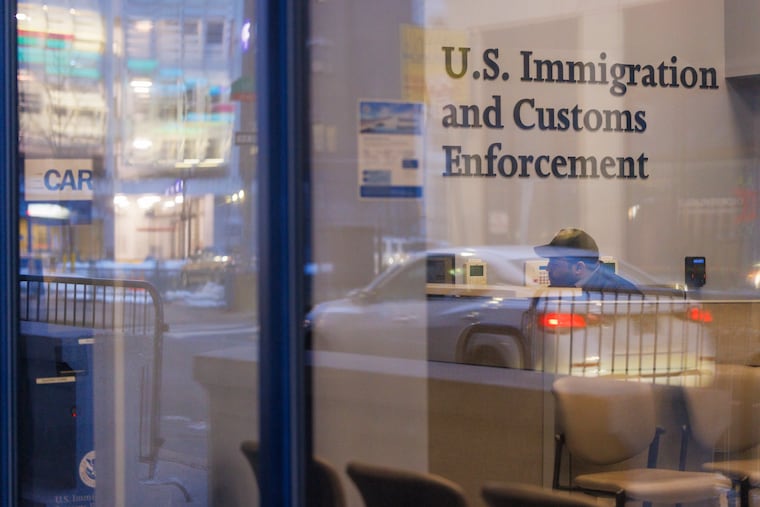
The identities and personal information of nearly 300 Philadelphia-based U.S. Department of Homeland Security employees were exposed by a data breach that hit the federal security agency last week.
A “hacktivist” group known as Department of Peace took credit for stealing the personnel files, which encompass roughly 41,000 DHS agents, operatives, and other employees across the United States — about one-fifth of all agency staff. The data also includes purported organizational structures of several DHS agencies.
The hacking group said the breach was retaliation for more aggressive activity by Immigration and Customs Enforcement under the Trump administration.
“[DHS Secretary] Markwayne Mullin said he was ‘turning up the heat’,” read a statement from the group that accompanied the release. “This is what happens to ICE when you do that.”
The personnel files were published by the website Distributed Denial of Secrets (DDoS) through a database known as “Icepick.”
The files contain information, including emails and cell phone numbers of 6,500 ICE staff, including 41 deportation officers and other personnel based at a Philadelphia field office.
The data contains 483 Pennsylvania-based DHS staffers, about 285 of whom are based in the city of Philadelphia.
Forty-seven employees at ICE and U.S Citizenship and Immigration Services field offices in Mount Laurel were also listed in the breach.
Other impacted DHS agencies locally include offices for Customs and Border Patrol, the Cybersecurity and Infrastructure Security Agency, the Federal Protective Service, and Homeland Security Investigations.
In a statement last week, a DHS spokesperson said the agency was “aware of a potential breach and is actively working to address the situation swiftly and effectively.”
DDoS had previously published records from an earlier hack that targeted the membership rolls of the Oath Keepers, a right-wing group with a claimed membership of 38,000 people — many current or former military or law enforcement.