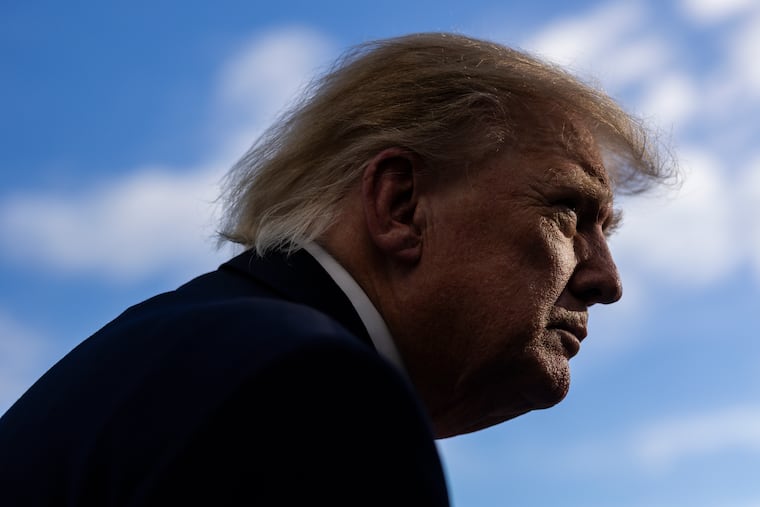
Tehran seeks to punish Trump in midterms with oil price pain, Iranian officials say
Two Iranian officials said their government is focused on the Nov. 3 midterms and sees the window leading up to them as critical to exercising leverage over Trump.
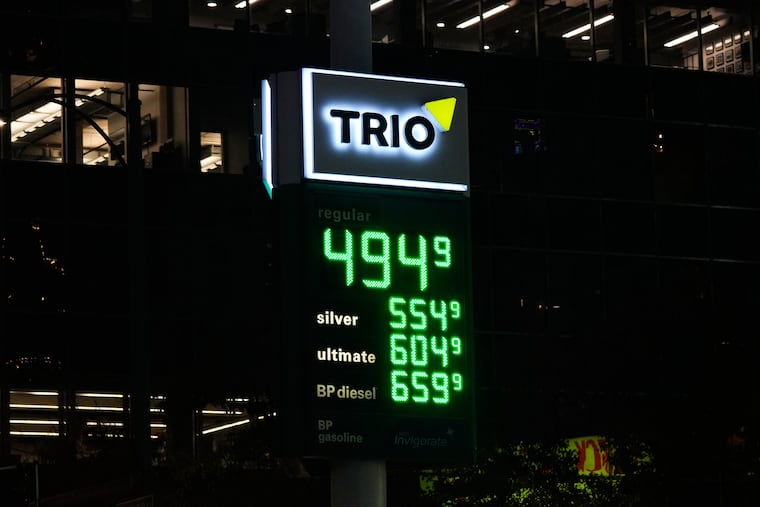
For Iran’s leadership, the next few weeks are a critical window. Anticipating that President Donald Trump will be less sensitive to high energy prices after the midterm elections, Tehran is scrambling to inflict maximum pain now by escalating attacks in the Strait of Hormuz, according to Iranian officials and diplomats in the region.
Two Iranian officials said their government is focused on the Nov. 3 midterms and sees the window leading up to them as critical to exercising leverage over Trump. Like other officials and diplomats interviewed for this story, they spoke on the condition of anonymity to discuss sensitive diplomacy.
For some Iranian officials, the goal is to “punish” Trump in the midterms, much as the Iran hostage crisis hampered President Jimmy Carter’s 1980 reelection campaign, an Arab diplomat and a Western diplomat said.
“They’re obsessed,” said the Arab diplomat. “They think they can bring down a presidency.”
The result has been an escalation in violence in the Strait of Hormuz. As the United States launched operations to encourage an increase in vessel traffic through the strait, Iran stepped up attacks on shipping to a rate not seen since the early days of the war.
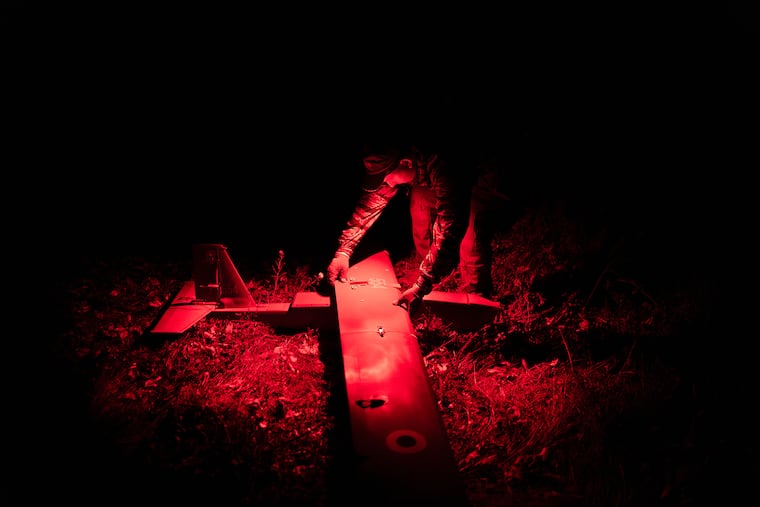
U.S. forces are conducting massive, daily operations, with layers of fighter jets, drones and Special Operations forces, guiding and protecting vessel traffic that shuttles back and forth through the narrow waterway, according to one Western official and an individual familiar.
Iranian attacks in the strait averaged around 30 a week in September, according to the official. So far this month, Iran has attacked more than 20 vessels, one of which sank, according to United Kingdom Maritime Trade Operations, a maritime monitoring body affiliated with the British military.
Despite the uptick in strikes, the United States has been successful in dramatically increasing oil flows out of the Persian Gulf.
Data from global analytics firm Kpler shows an increase in oil shipments out of Hormuz from mid-August to late September, with the number of barrels of oil exported a day approaching prewar averages on multiple days over the past month.
While “costs and risks” to shipping remain high, so will global energy prices, said Amena Bakr, head of Middle East energy at Kpler.
“The situation should not be regarded as going back to conditions we had before the war,” Bakr said. “Geopolitical risk,” by her estimates, adds $30 to the current price of a barrel of oil.
Iranian officials have described the expanded U.S. operations as “smuggling.” In an interview with ultraconservative newspaper Kayhan, Iranian lawmaker Fada Hossein Maleki said such traffic had made the situation in the strait “very complicated.”
“Iran is obliged to decisively defend the important global waterway that is our land and territory,” he said.
The midterm elections feature heavily in Iranian media. Talk shows on state television track soaring energy prices and dissect how Republican losses could hamper Trump’s ability to wage war in the latter half of his term, and print news roundups often feature daily updates on changes in Trump’s approval ratings.
Iran’s national security adviser, Mohsen Rezaei, addressed the Hormuz operations in an interview on government-run Press TV, saying Iran has responded by targeting “five or six” vessels every night.
“Trump has resorted to smuggling by hiring a number of thugs who operate in the coastal waters of Oman,” Rezaei said.
In the event of a resumption of full-blown war, Rezaei threatened to strike infrastructure targets in the region beyond what Iran has already hit. “Many cables, data centers and artificial intelligence centers, which are very expensive in terms of financial value, would be in range,” he said.
Some voices in Iranian media have argued that a defeat for the Republicans in November will benefit Iran by constraining Trump, threatening him with impeachment and making it more difficult for him to execute the war.
“He, who had promised to end wars, has brought his party a few steps closer to defeat in the midterm elections by launching a war against Iran,” read an editorial last month in Fars, a semiofficial news network with close links to the Islamic Revolutionary Guard Corps.
If Trump is dealt a “bad fate” in November, “he will have to live out the remaining two years of his presidency as a nightmare,” said former foreign minister Manouchehr Mottaki during an appearance on a talk show on state media in August.
Beyond the elections, by increasing attacks in the strait now, Iran is attempting to regain leverage to use in talks to end the war, according to the Western diplomat. Faced with a deepening economic crisis and growing international isolation, there is increasing concern within the ranks of Iranian leadership that the country could be left unable to perform core functions like paying its security forces within a matter of months, the diplomat said.
Despite pressure on both sides, Iranian and U.S. negotiating teams appear unwilling to make significant concessions. The last time the two sides met directly at a senior level was in September at the United Nations. They exchanged proposals, and some senior Iranian leaders made a push for a deal before the U.S. midterms but rejected the U.S. request for a nuclear concession up front, according to an Iranian official briefed on the talks.
As much as Iran is pushing for a resolution to the war, the pressure campaign ahead of the U.S. midterm elections is also intended to be a message to future U.S. administrations, according to Negar Mortazavi, an Iranian researcher with the Center for International Policy, a progressive Washington think tank.
Iranian officials are seeking to send the message that “attacking Iran comes with a high political price, including the possibility of losing elections,” Mortazavi said. “Tehran is thinking beyond Trump. It wants future American presidents to remember what happened to him before considering another war against Iran.”