What to know about the forthcoming One Philly Mortgage program: How it works, criticism, and more
Mayor Parker talked about the event at Axios Live, but it has received criticism from the likes of Fox.

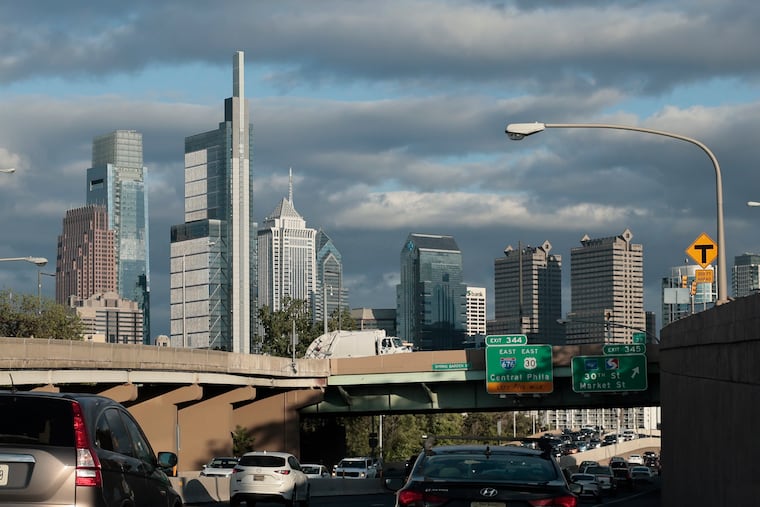
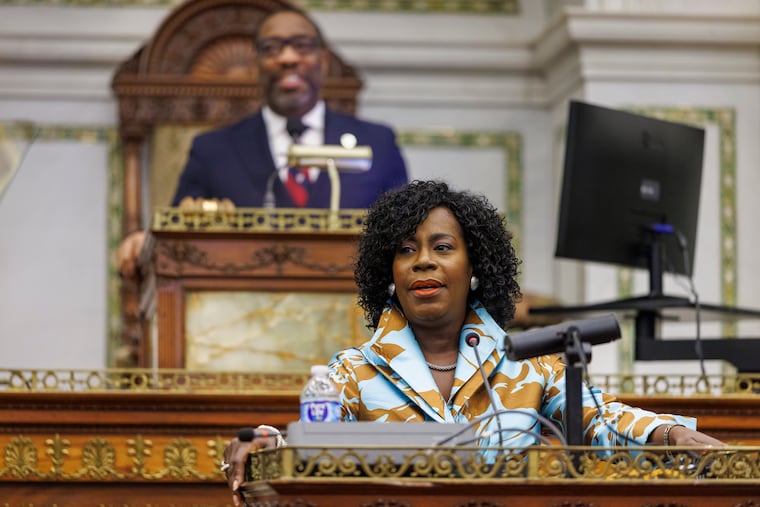
Mayor Cherelle L. Parker hopes to debut a new city program by the end of the year that is designed to offer affordable mortgages for city residents.
Parker discussed the program, known as “One Philly Mortgage,” at an Axios Live event this week, saying it would be the first of its kind for a major U.S. city. Once launched, it would provide 30-year fixed-rate mortgages for local first-time home buyers with credit scores of 620 or more with no private mortgage insurance.
“We want the lending industry, banking industry, to say, ‘Hey, we’ll take this risk,’” Parker said at the Tuesday event. “But the city of Philadelphia proper shoulders it.”
Parker added that the city has been working with Citizens Bank to serve as its first lending partner, and is in discussions with other financial institutions. The effort is part of Parker’s Housing Opportunities Made Easy initiative, which she proposed in February 2025.
Here is what you need to know:
What is the One Philly Mortgage program?
The One Philly Mortgage program aims to help “low- and moderate-income Philadelphians” buy their first homes, according to the Philadelphia Housing Development Corporation website. Some of the interest for the required loans will be paid for using public funds, and no mortgage insurance is slated to be paid as part of mortgages secured under the program.
Down payments of “no more than 3%” will be required, according to a city flier detailing the program. It would be open to households that make up to 120% of the area median income, which would be about $100,000 for single-person households, or $143,000 for four-person households, The Inquirer previously reported.
“There is an affordability and housing crisis across the nation. Philadelphia is not unique,” Parker said Tuesday. “Imagine getting a mortgage, a 30-year commitment, with no [private mortgage insurance], and we have in essence brought down the interest rates.”
The program is similar to one launched in Massachusetts known as the ONE Mortgage Program. That effort also offers 30-year fixed-rate loans with 3% down payments and waived mortgage insurance for first-time homebuyers with lower credit scores. It has assisted about 22,000 households, according to the Massachusetts state government website.
Parker’s H.O.M.E. initiative
The effort is being touted as part of Parker’s H.O.M.E. efforts, for which City Council previously approved $278 million in its first phase. So far, Parker’s administration has spent only $38 million of that allotted budget, according to a recent Inquirer report, and plans to spend the remaining $240 million by the end of the fiscal year in June.
One of the initiative’s goals is to preserve 30,000 housing units, and it is largely funded with $800 million in city bonds approved by Council in June 2025. However, it has faced some delays caused by negotiations with lawmakers over how those bond proceeds would be spent, The Inquirer previously reported.
In total, 29 housing programs are included under the H.O.M.E. umbrella, but as of Sept. 30, only four have reportedly received funding. Many efforts tied to the initiative have yet to launch.
Program receives some criticism
Despite not yet being launched, the One Philly Mortgage program has faced some criticism in the media following Parker’s discussion of it this week. Fox Business’ The Big Money Show, for example, discussed the effort Wednesday, with one host calling it “insanity.”
“It’s offering an on-ramp to ownership for people that can’t qualify for a mortgage,” said co-host Lou Basenese, adding that it would give “more people an opportunity to lose their home because the lenders get bailed out, the homeowner doesn’t.”
Others on the show Wednesday compared the effort to the 2008 subprime mortgage crisis, which resulted in a serious economic recession. That year, the U.S. housing market collapsed due in large part to subprime mortgage lending. Subprime borrowers, who are usually defined as having credit scores below 620, are seen as high credit risks by lenders.
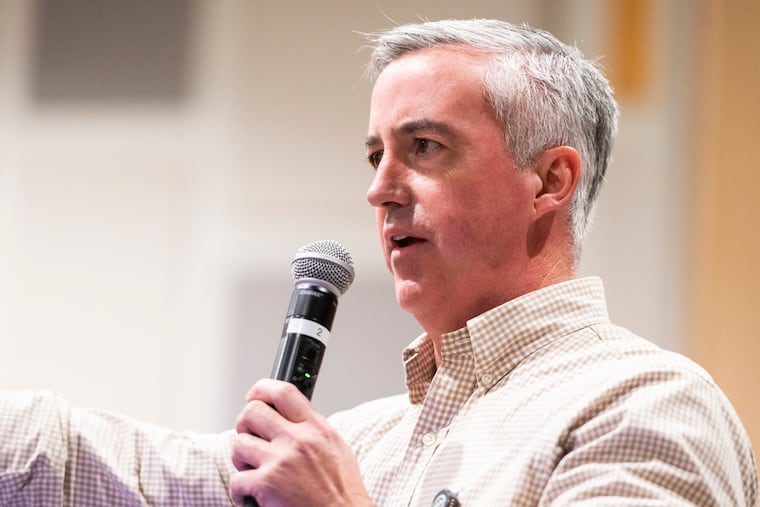
Drexel University economist Kevin Gillen likewise cautioned in an interview with Axios that the program could face difficulties, saying that increasing homeownership levels was not desirable if the practice “just increases the foreclosure rate in the long term.”