Does Harrisburg’s blue wave mean a payday for SEPTA? It’s not that simple.
Pennsylvania does subsidize public transit, but the costs of operating are rising rapidly, along with the price for years of deferred infrastructure improvements.

Increasing state funding for SEPTA and other public transit systems should be easier next year when Democrats control all three of the power centers in Harrisburg for the first time in more than three decades.
A big obstacle fell in the midterm elections as the party flipped the Pennsylvania Senate, where Republican leaders blocked three budget proposals by Gov. Josh Shapiro to increase the share of sales tax dedicated to transit.
Now, advocates for public transportation, elected officials in Southeast Pennsylvania and across the state, and business leaders are hoping the governor and lawmakers can enact a new source of dedicated revenue for transit that would be predictable and long-lasting.
That is much harder to achieve.
“It’s important to meet the moment, and that’s going to take more than a sales tax bill,” said Stephen Bronskill, coalition manager for Transit Forward Philadelphia. “This is a generational opportunity to solve this problem.”
SEPTA, which projects a $192 million structural operating deficit next year, has a new message heading into the state budget debate. Instead of stressing service cuts if the transit agency does not get more state dollars, officials are touting the improvements it can make with the money.
“We don’t want to be just good enough. We want to be something bigger and better,” Scott A. Sauer, SEPTA’s general manager, said in an interview. “We’re eager to make that case.”
The 10-year Accelerate blueprint promises investments in a new trolley fleet with stations instead of corner stops, new subway cars for the El, and reimagining Regional Rail so trains run every 15 minutes on critical lines in the city and its closest suburbs.
» READ MORE: SEPTA has a new, ambitious plan that offers funders a vision of better transit
That will take more cash and a steady source of it.
The most recent model for that is Act 89 of 2013, which raised the gas tax for the first time in years for a backlog of road and bridge repair needs and pumped $450 million a year from turnpike tolls into transit systems. The transportation megadeal brought a decade of relative fiscal stability.
Getting there took several years of negotiations and a push from then-Gov. Tom Corbett, a Republican, to bring together highway and transit interests and competing regions.
“I don’t think that just because the Democrats have taken total control, this is now some cakewalk — that we’re just going to ask for a number and they’re going to give it to us,” Sauer said.
Rather, it has to be earned, he said.
Shapiro last week guaranteed “we will fund transit,” along with other Democratic priorities, though the governor provided no details on how that would be accomplished.
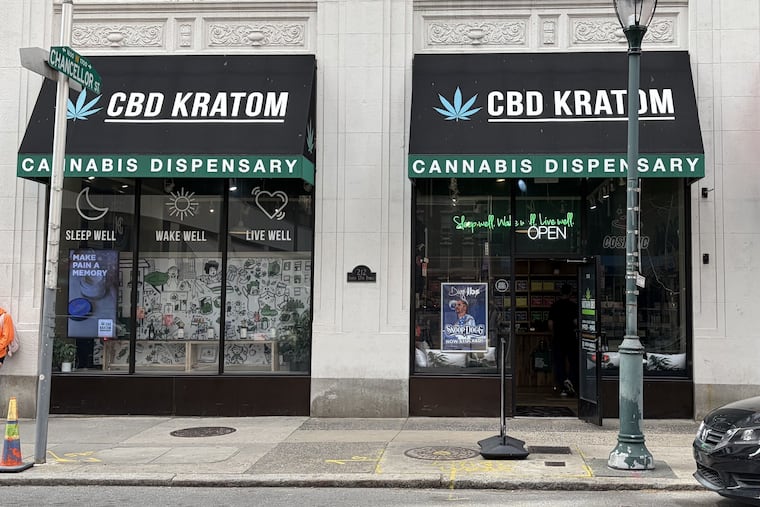
Some people involved in the discussions have mentioned legalizing and taxing recreational weed. Others suggest legalizing and taxing skill games — the pseudo-slot machines once found in many Pennsylvania bars, bodegas, and fraternal clubs. The state Supreme Court has ruled the games are indistinguishable from slots and illegal, and businesses were recently required to remove them.
The legislature could revisit the issue, State Sen. Vincent Hughes (D., Philadelphia) has suggested. He is likely to be in the new Senate majority leadership.
“I don’t know what the answers are, but I don’t want to limit anyone’s imagination or creativity, and I’m not the expert to tell them either way,” Sauer said Monday night at a 5th Square Advocacy forum in Center City.
SEPTA finances steadied last year after the Shapiro administration authorized by executive action $394 million in emergency funding.
The transit agency was allowed to pay for two years of operating expenses with money the state had allocated for future SEPTA capital projects. That money runs out next summer.
Pittsburgh Regional Transit got a smaller amount. But any transit deal will need to include smaller systems that did not get that fix and still are struggling, including LANTA in the Lehigh Valley.
» READ MORE: Gov. Shapiro allocated $220 million to SEPTA to get Regional Rail back on track
One thing is clear: There is a developing consensus it would be preferable to find a new and renewable revenue source for transit.
Even Shapiro’s earlier proposals to use sales tax revenue, while significant, would have lasted for just five years if they had passed.
“The political winds could change in five years,” Bronskill said. “You don’t want to be in the middle of procuring railcars when that happens.”