Rural poverty and the promise of jobs can make data centers alluring to local officials
History shows that the need for revenue and good jobs makes rural areas enticing targets for necessary industries that wealthier communities don't want.
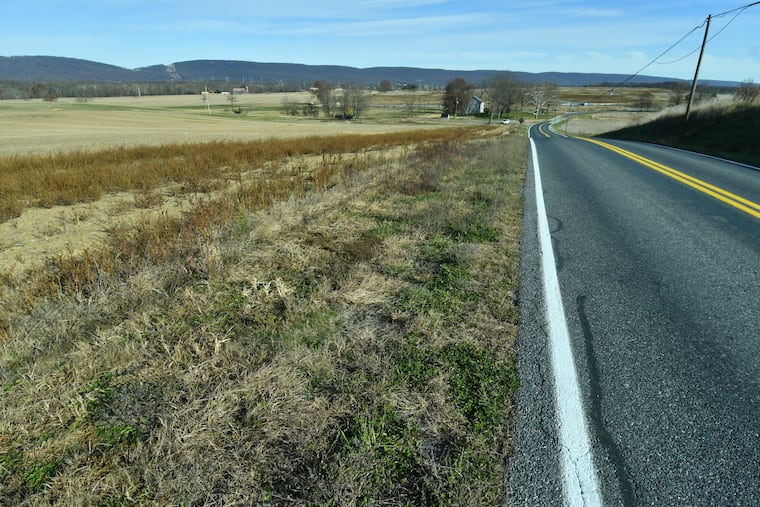
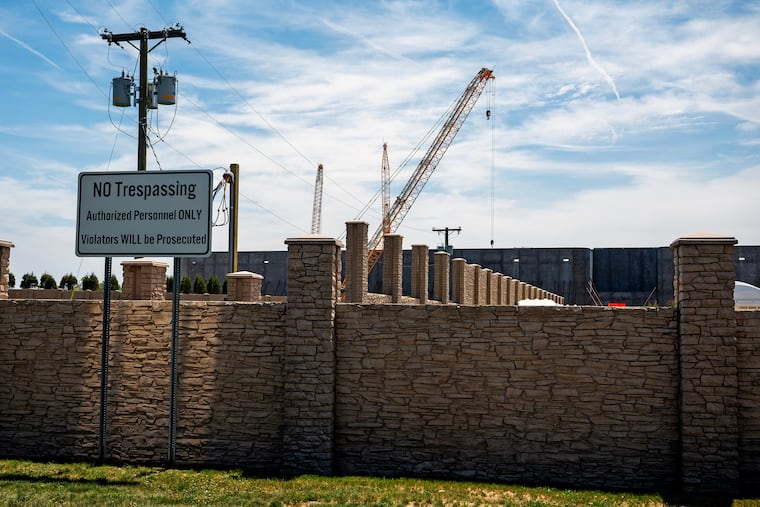
Data centers have become a hot-button issue in America, and nowhere is that clearer than in rural communities. That’s because, according to Pew, most planned data centers will be built in rural areas.
From California to the Texas border to Alabama, large corporations have made multimillion dollar offers to rural towns.
That’s true in Pennsylvania as well, where at least 100 data centers have been proposed. Though Gov. Josh Shapiro initially endorsed construction, he recently signed an Executive Order requiring developers to adhere to strict environmental and economic standards.
Still, if development moves forward — both in Pennsylvania and elsewhere — data centers will likely permanently alter rural landscapes to meet the infrastructure demands required to support the growth of artificial intelligence.
Why are rural communities being targeted for these projects? Because they offer tantalizing resources for impoverished regions. That makes it hard for local officials to turn projects away, no matter how unpopular they may be with residents.
This isn’t a new situation or something unique to data centers. Companies have often targeted rural communities to grow their business, promising that jobs and financial opportunities will outweigh the costs of development to residents. In the 1970s and 1980s, these discussions centered on hazardous waste sites. In revisiting that history, we see how economic hardship shapes local officials’ decisions, leaving their communities saddled with necessary businesses that wealthier communities don’t want.
In 1977, James Parsons, the son-in-law of Gov. George C. Wallace, who long promoted segregation, purchased 340 acres in Sumter County, a rural majority-Black county in Alabama. Soon, he acquired a state permit to create a hazardous landfill.
Residents in the rural towns of Emelle, Geiger and Livingston gathered to pose questions about the implications of the facility for their communities. Parsons explained the perceived benefits of the waste site but noted that it was much like a prison: “there is a need, but no one wants it in their community.”
A year later, Parsons sold the property to a large conglomerate called Chemical Waste (ChemWaste), and that year, the Environmental Protection Agency provided approval for the burial of polychlorinated biphenyls (PCBs) in Emelle. Congress had classified PCBs as toxic chemicals that harmed the environment and humans, and they were no longer in production. The move to bury PCBs in Emelle was not unusual; PCBs were often produced and disposed of in low-income, frequently Black communities.
ChemWaste insisted that Emelle’s geological makeup provided the perfect disposal site for such hazardous wastes.
But the plans concerned local residents. A farmer insisted that there were fissures in the soil that could lead to groundwater contamination. Another local worried that there had not actually been a thorough geological survey, while others expressed concerns about the long-term effects of storing hazardous materials in the soil.
These residents recognized that the waste stored in their communities would be buried beneath the soil indefinitely. Whatever their doubts, however, most locals believed there was nothing they could do to stop the landfill’s operation.
They were right. State and local officials backed the project because the annual revenues it would generate promised to fund government initiatives. Waste-tax money supported the county’s Board of Education, fine arts program and the parks and recreation department. Local officials also believed that the site would attract more industries to the region and create new jobs.
And to some extent, they were right: within seven years of the site’s opening, the hazardous waste landfill became Sumter County’s largest employer, offering at least 350 jobs, most of which reportedly went to county residents. Even civil rights activist John Zippert conceded that the county was in a difficult situation because the landfill provided tangible economic benefits.
The jobs generated by the project, however, didn’t reduce some residents’ opposition. One opponent, Wendell Paris, questioned whether they actually went to local Black residents or if employees commuted from other areas.
By 1984, a group of Sumter County residents formed Alabamians for a Clean Environment (ACE) with the goal of shutting down the landfill. One of the organizers, Linda Muñoz, explained that many residents did not even know there was a hazardous waste site in their community.
Even as ChemWaste continued to support county schools and local programming, the dangers of hazardous substances seemed to many residents to outweigh the financial benefits. One ACE member derisively labeled the company’s investment in the region “blood money.”
Yet, ACE ran into opposition from workers at the Emelle site, who signed a petition arguing that there were safe practices in place and that the landfill’s support for the local economy was irreplaceable. Many residents agreed and felt that shuttering the site would threaten their livelihoods.
Ultimately, ACE’s efforts failed. Within a decade, at least 88% percent of the waste buried in Emelle came from 42 other states as well as from the Virgin Islands and Puerto Rico. Eventually, the hazardous waste site in Emelle extended across 2,400 acres, where PCBs, insecticides and other banned chemicals were nestled over 700 feet deep within the soil.
Even as the site grew, some state officials began to believe it was a bad look for Alabama. In his 1986 campaign for state Attorney General, Democrat Don Siegelman insisted that if he won, he would close the landfill. He believed the dangers and negative perceptions of the site outweighed its benefits. As one state legislator argued: Alabama had become the “garbage dump of the South.”
Siegelman won the election, but he failed to shut the site down despite fighting against the permits that allowed ChemWaste to operate in Sumter County. Proving these efforts were bipartisan, Alabama’s newly-elected Republican Gov. Guy Hunt also sought to implement higher fees for hazardous waste shipments that would deter the growth of the Emelle facility. The two men also backed a plan to institute further regulations to make it more difficult for other companies to construct toxic landfills in the state.
As Hunt put it: “Alabama is open for business. But we don’t want Alabama open for any more hazardous waste business.”
Alabamians outside of Sumter County also worried about the trucks hauling hazardous waste through their communities to reach Emelle. A spill could jeopardize the health and safety of residents across the state.
Yet, none of the activism, resident concerns’, nor state governmental efforts impacted the operation of the Emelle landfill, which is now the largest hazardous waste site in the country.
The root of its endurance is economic. As one study noted, by the 1990s, Sumter County’s economic dependence on the landfill meant that closing it would create significant fiscal challenges in the region.
Even as the landfill has continued to serve as an economic engine, however, residents’ worries about drinking water, carcinogens and the damage it was doing to the community’s image have lingered.
The case is a good example of how the need for revenue and jobs in impoverished rural regions can lead to development that persistently ignores local residents’ concerns and the long-term effects such decisions will have on their communities.
This history frames current debates about data center construction. Much like the hazardous waste industry did, companies are now promising communities jobs and financial benefits in exchange for shouldering the environmental and human costs required by data centers.
And like before, rural residents are protesting and expressing their concerns. While some politicians like Shapiro have at least imposed limitations on data center construction or paused them, the history of hazardous waste sites like the one in Emelle suggests that these protests aren’t likely to halt construction permanently.
That’s true because of two intertwined factors: as with the need to house hazardous waste somewhere, the U.S. needs data centers to meet the energy demands posed by the AI race with China.
Simultaneously, many rural communities in Pennsylvania and elsewhere will prove unable to resist the revenue promised by data center construction and operation unless and until alternatives emerge to fund necessary operations and provide good paying jobs in their communities.
And that remains the rub: so long as rural communities remain impoverished, they will remain a good target for necessary industries that wealthier communities don’t want in their backyards.
Allie R. Lopez is an assistant professor of history at Georgia Gwinnett College where she studies the Black freedom struggle in the rural South.
Made by History takes readers beyond the headlines with articles written and edited by professional historians. Opinions expressed do not necessarily reflect the views of The Inquirer.