Extreme weather is hurting independent farms and restaurants, owners say
Extreme weather is causing ingredient shortages and instability for Philly-area restaurants. Farmers are trying to adapt.
Heat and weather shifts are making it harder to plan menus and grow traditional foods, chefs and farmers say.
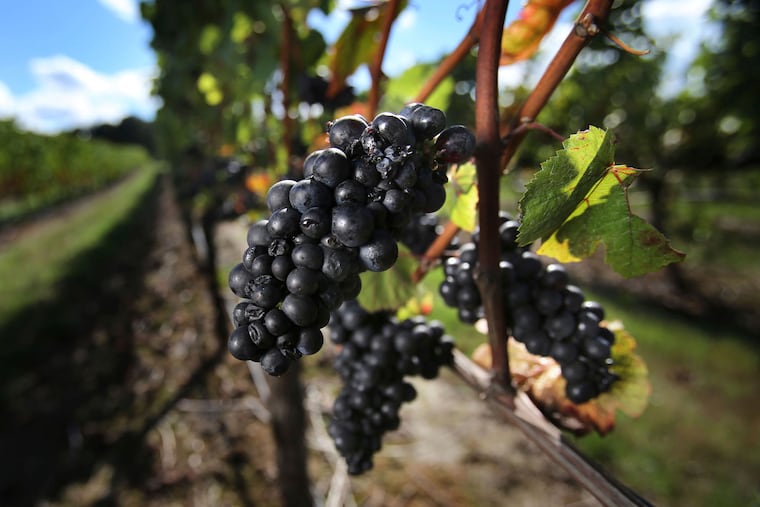
Across Pennsylvania, April was among the warmest on record and encouraged certain plants, like fruit trees, to bloom early. But the last hard frost — the date after which fruit blossoms, tomatoes, and other cold-sensitive produce can survive — arrived the same month, decimating crops like peaches and apples. Pennsylvania has estimated the late April cold snap cost the specialty crop industry up to $200 million.
“Those 90-degree days were really the abnormal part of it,” said Adam Dusen of Buckingham’s Hundred Fruit Farm, which he estimated lost 80 to 90% of some crops in the April frost.
The hot spring followed years of rising temperatures: In 2023, the USDA updated its guide to where plants grow, and placed southeastern Pennsylvania in warmer categories once more common in Virginia and North Carolina.
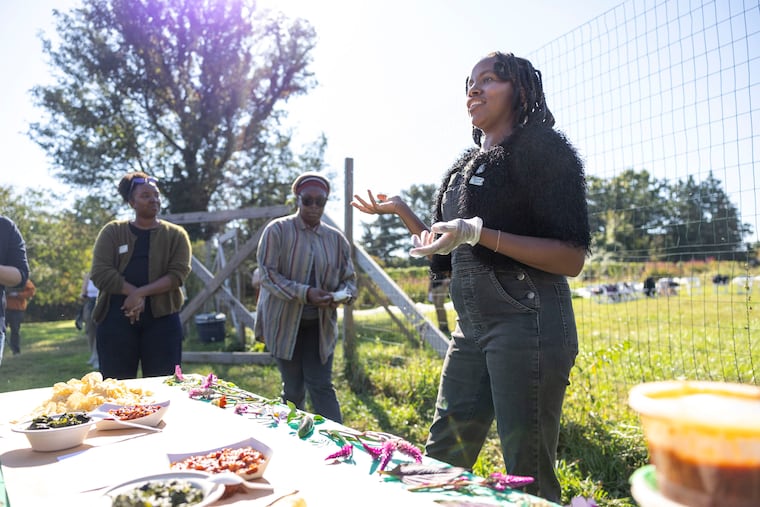
Restaurateurs who gathered at FarmerJawn Community Greenhouses in Elkins Park on Tuesday said they’re expecting the food instability to worsen as Pennsylvania’s climate becomes warmer and more extreme. The changes make it even harder to rely on the small, local farms many restaurants hope to support, restaurant owners said.
The growers and chefs at the Elkins Park event, hosted by the James Beard Foundation, were eager to ensure independent businesses in both industries, which typically operate on razor-thin margins, can survive in a post-global warming era.
“If there’s anybody who understands what farmers do, it’s restaurants,” said Jeremy Asch, cofounder of Schmaltz.
Philly food industry preps for post-warming Pa.
FarmerJawn, an organic produce farm that sells to restaurants and the general public, is growing species from hotter climates at the Elkins Park greenhouses and saving the seeds of successful plants to grow at the company’s bigger Chester County farm. The company plans to offer produce that’s prepared to thrive in a warmer Pennsylvania, founder Christa Barfield said.
The hope is that chefs and farmers can use a wider variety of crops in case extreme weather or a supply chain disruption suddenly makes a favored vegetable unavailable.
Briana Mills-Walker, who runs the Elkins Park site, invited visitors Tuesday to sample uncommon greens, like long beans from Southeast Asia and huacatay, a marigold cousin from South America.
“The herbs ... a few things blew my mind,” said Kwame Williams, chef at Pleasantdale Chateau in West Orange, N.J. “It was like, ‘I could use this right away.”
But crafting a menu from local produce remains a challenge: Large-scale distributors can more reliably deliver specific products, while small farms might contribute just one item. Chefs who want to source local produce need many more of those relationships to make it work, restaurant owners said.
Dusen said by phone that chefs asked Hundred Fruit for chokeberries and autumn olive this year, but both crops were damaged by weather and neither yielded enough for a sale.
“We thought we’d have enough [autumn olive] for the one chef but we probably lost half the crop,” Dusen said. “I think he had to scramble a bit.”
Kelsey Givler, manager of Merrymead Farm in Lansdale, said by phone that they were able to sell cider this year despite the apple decimation because of their established relationships with growers, who sold their limited harvests to existing buyers like Merrymead. But that meant apple buyers without good contacts may have missed out.
Barfield, of FarmerJawn, said Tuesday that chefs could work with farmers to select produce before it’s planted in the ground — although that can mean planning menus months in advance and praying the plant makes it to harvest.
And though chefs at the Elkins Park event were excited about new ingredients, some also lamented how environmental shifts are threatening traditional foods, from mollusks to cereals.
Corn is central at South Philly Barbacoa and Casa México, with Chef Cristina Martínez Guerrero making thousands of tortillas every weekend. But a weak U.S. corn harvest driven by extreme heat and rain has raised prices, forcing her to cut esquites, a corn dish, from her menu.
“We need our corn,” she said. “We need to care for and protect traditional kitchens.”
Philadelphia-area farmers said this week that the instability of agriculture requires diversification and creativity.
Guevin’s Far View Farm in Pottstown lost all their apple trees this year, Kim Guevin said by phone, but they grow more than 150 different plants for a reason.
“You never know,” she said. “You have to be resilient in farming.”
This suburban content is produced with support from the Leslie Miller and Richard Worley Foundation and The Lenfest Institute for Journalism. Editorial content is created independently of the project donors. Gifts to support The Inquirer’s high-impact journalism can be made at inquirer.com/donate. A list of Lenfest Institute donors can be found at lenfestinstitute.org/supporters.