Waiting on a specialist? Having a primary care doctor helps | Expert Opinion
A patient who suddenly was experiencing new chest pain symptoms faced a three-month wait for an appointment. A primary-care doctor was able to arrange a next-day visit.
Earlier this month, I saw a 60-year-old patient who had recently gone to the emergency room with chest pain. The pain was not severe, but he and his wife had worried about a heart problem, since he was overweight with a history of diabetes and hypertension.
In the emergency room, he was examined and underwent blood testing, chest X-ray, and EKG — all were normal. His blood pressure medication was tweaked, and he was told to visit a cardiologist outside of the hospital as soon as possible. When he called the cardiology practices in his network, as soon as possible turned out to be a three-month wait.
When I listened to my patient’s story, I saw worry in his eyes. Over the years, he had never complained of chest pain, nor ever spent the night in an emergency room. What he needed most was not a special test or treatment, but having someone who knew him well enough to recognize that his situation required urgent cardiac evaluation. We agreed that three months was far too long to wait, so I reached out to one of my trusted cardiology colleagues, who arranged to see him the next day. He knew he was to return to the ER if his symptoms recurred.
By the time I saw him one month later, he was recovering from cardiac bypass surgery that likely prevented a major heart attack.
Unfortunately, my patient’s experience is not unique. Across many communities, waits of weeks or months for specialty appointments have become commonplace, creating uncertainty for patients and difficult decisions for physicians.
Long wait times are the result of many factors, including workforce shortages and the increasing needs of our aging population with complex conditions. Doctors also face heavy administrative burdens that can pull us away from directly caring for patients.
Health systems increasingly rely on centralized appointment scheduling. Although this avoids the frustration of searching for the correct number to call, there’s a trade off: The person scheduling may not be located in the practice, or may use rigid decision trees for scheduling that can miss nuance indicating a more time sensitive assessment.
Access to medical appointments is especially challenging when you are a new patient. When told that the next available new patient specialist appointment is many months out, some people may assume that this timing is medically acceptable. In my patient’s case, that would have been a dangerous assumption.
Your primary care physician can listen, perform an exam, and review records to assess how urgently a specialist appointment is needed. Most importantly, PCPs can speak directly with specialist colleagues and advocate for sooner care if needed. In an era of growing delays and increasingly complex healthcare systems, a strong relationship with a primary care physician may be more important than ever.
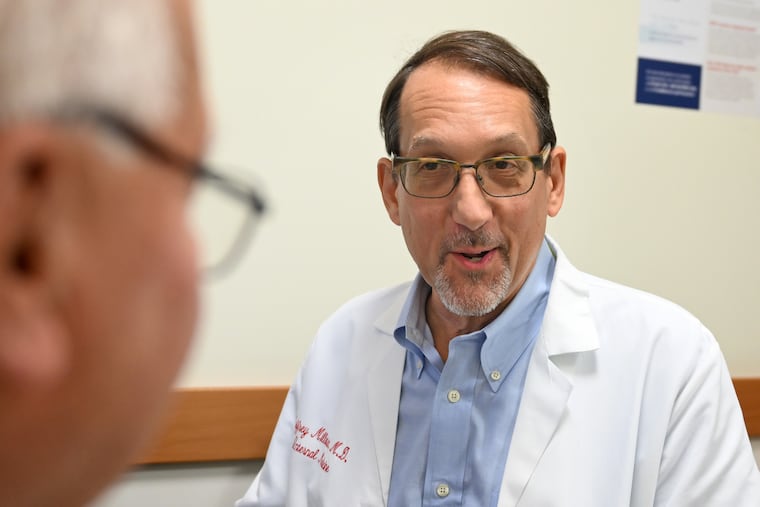
Jeffrey Millstein is an internist and regional medical director for Penn Primary and Specialty Care.