U.S. loses measles elimination status as outbreaks spread, WHO says
Pennsylvania counts more than 1,500 cases and at last seven related deaths so far this year.
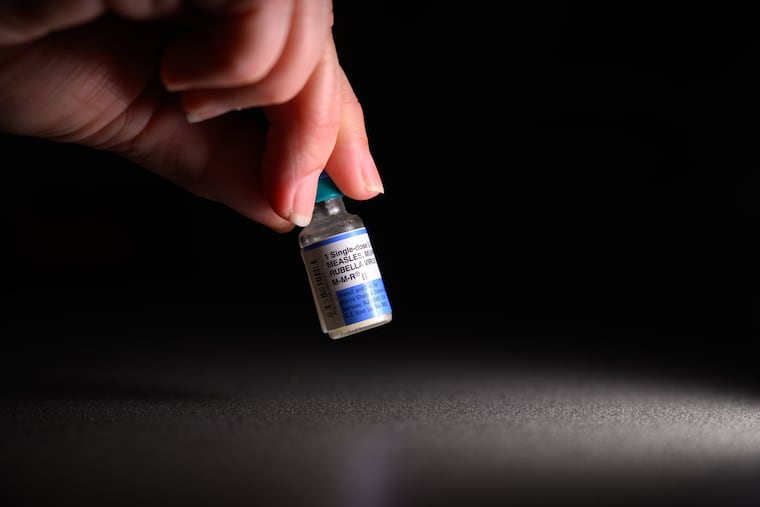
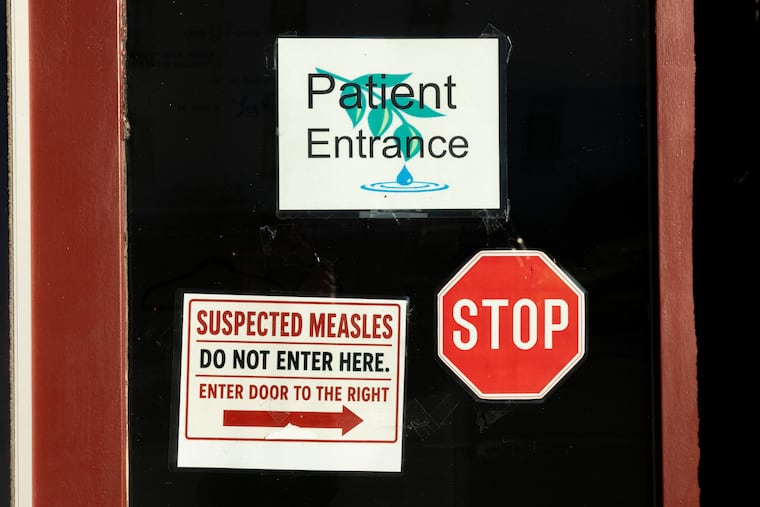
Measles, a vaccine-preventable disease, is no longer considered eliminated in the United States, where the virus is now circulating continuously in outbreaks of growing size and scope, a regional division of the World Health Organization announced Tuesday.
The United States is expected to submit to the Pan American Health Organization a plan of correction in the coming weeks. Mexico and Bolivia have also lost their measles elimination status, PAHO said.
“The measles elimination designation is not what protects Americans. Vaccination does,” Erica Schwartz, director of the Centers for Disease Control and Prevention said in a statement. “Losing a designation doesn’t mean we abandon an evidence-based approach. It means we remain focused on stopping outbreaks.”
The agency did not immediately respond to a request for comment regarding when it would submit a plan of correction or what steps it will recommend.
But in her statement, Schwartz said that the CDC has dedicated $100 million to state and local health departments to expand vaccination efforts.
That includes $1.2 million for Pennsylvania, which is experiencing the largest measles outbreak in the U.S. in three decades.
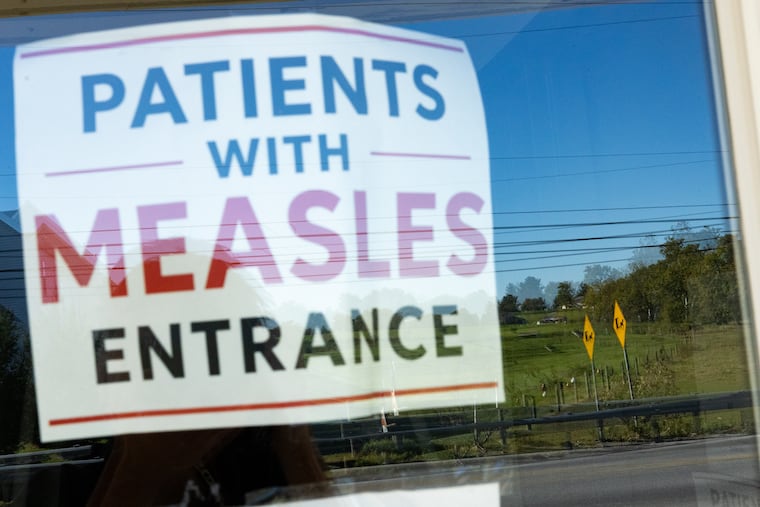
Pennsylvania has reported more than 1,500 cases and seven measles-associated deaths. The state health department is still investigating an eighth death identified by a county coroner.
While a clear sign that measles is once again endemic in the U.S., the outbreak here did not contribute to the PAHO decision, which was based on epidemiological data for a one-year period ending January 2026. The first cases in Pennsylvania’s outbreak were reported in April.
During the review period, 48 of 52 U.S. states and territories reported measles cases, according to PAHO.
Losing the symbolic designation is a blow to public health, indicating that declining vaccination rates have enabled the highly contagious virus to spread from one community to the next.
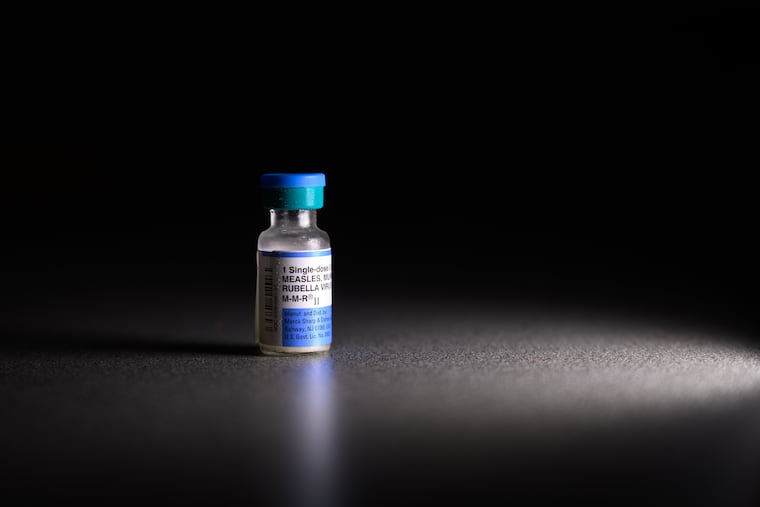
The United States first achieved measles elimination status in 2000 after decades of public health efforts to raise vaccination rates. Two doses of the measles vaccine provide 97% protection against the disease.
But because measles is so contagious — nine out of 10 unvaccinated individuals will get sick if exposed — communities must have exceptionally high vaccination rates to prevent an outbreak. Scientists say 95% of a community must be vaccinated to prevent measles from spreading.
In the Pennsylvania, more than half of counties have measles vaccination rates below the 95% required for herd immunity.
Editor’s note: This is a developing story and will be updated.

-
Your questions about Pennsylvania’s measles outbreak, answered
-
Measles is thought of as a childhood illness, but more Pa. adults are getting sick
-
New vaccination data show hundreds of Philly-area schools vulnerable to a measles outbreak
-
Chester County has more measles cases than most entire states in the country
-
Pa. measles outbreak is nation’s worst, echoing deadly 1991 Philadelphia epidemic
-
Pa. measles vaccine messaging depends on word-of-mouth to reach the Amish community