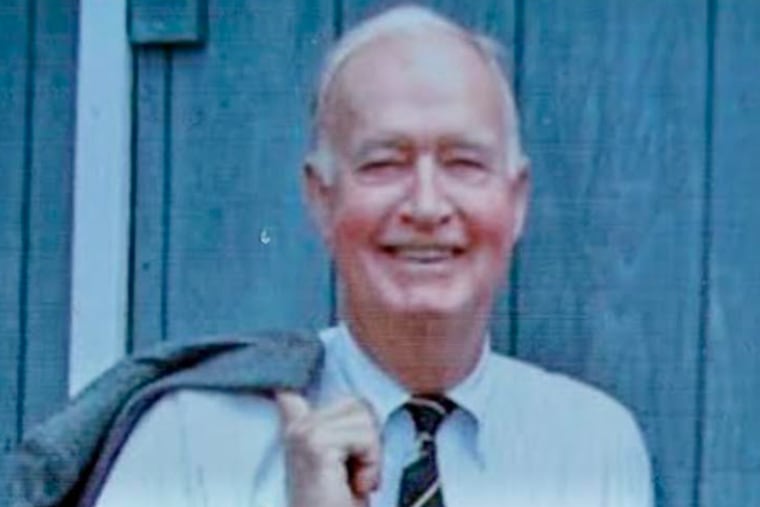
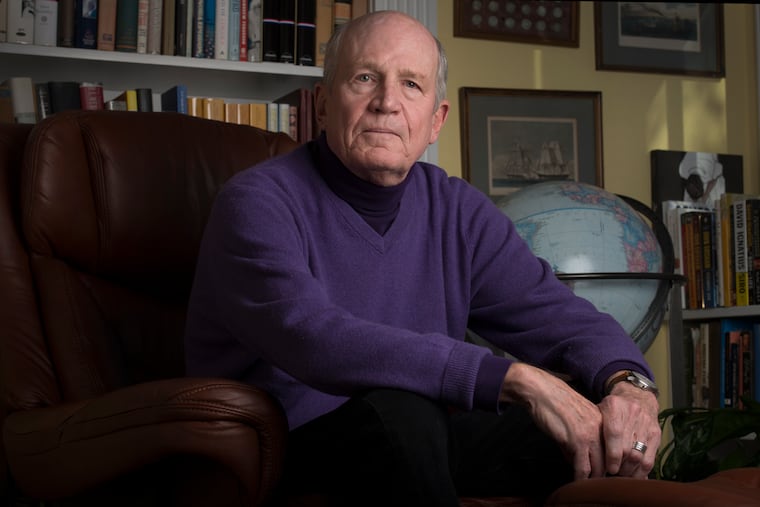
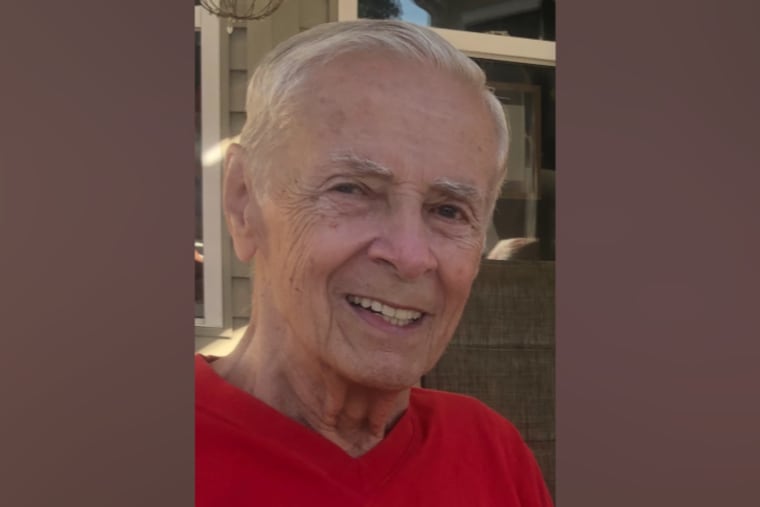
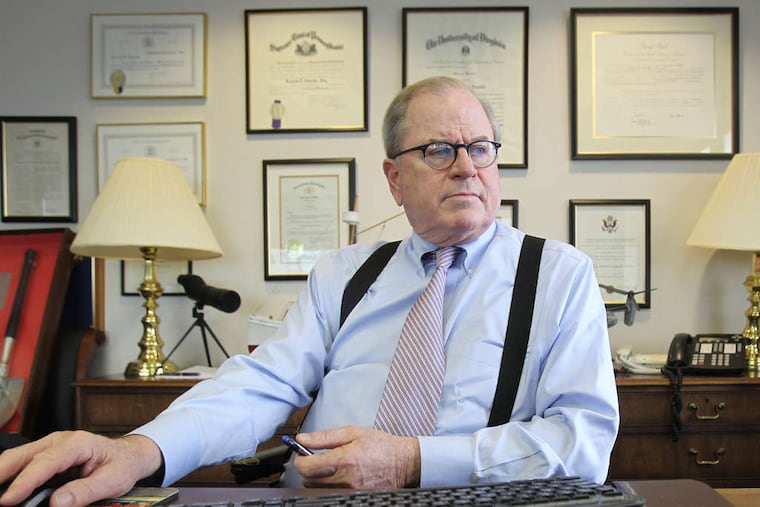
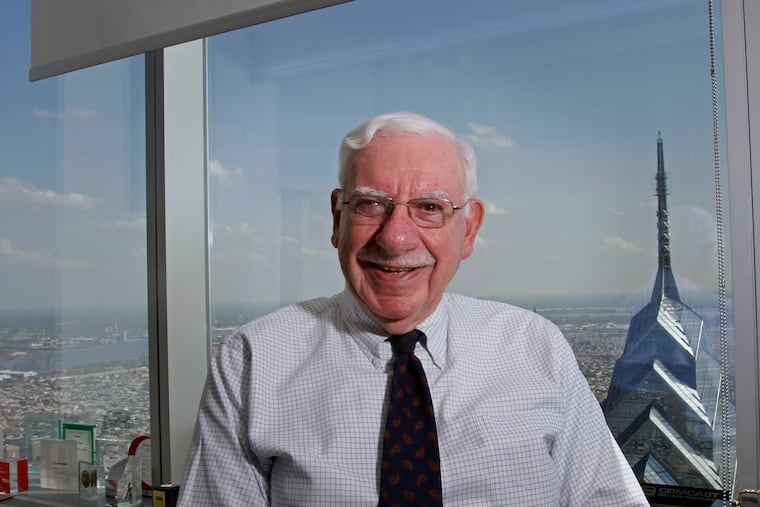
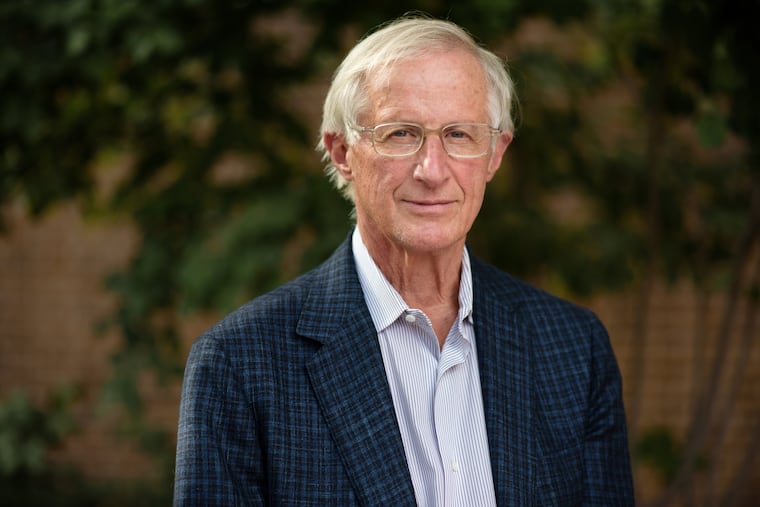
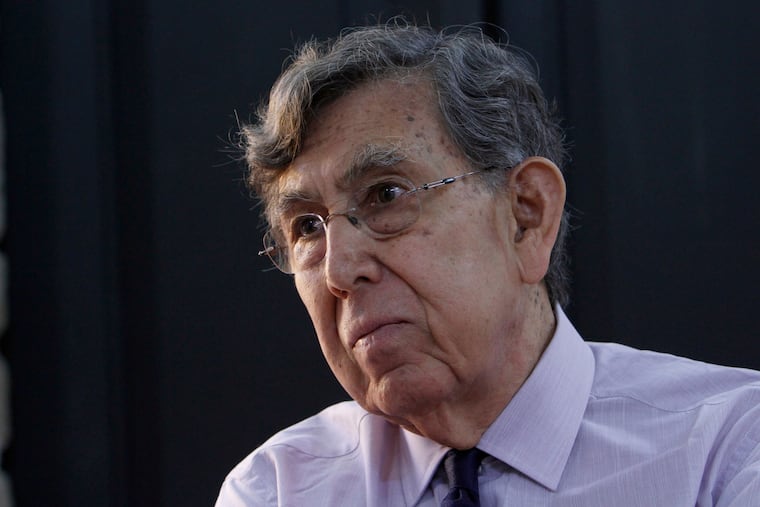
Stephen F. Gold, celebrated disability rights lawyer and community services advocate, has died at 84
He got arrested several times for his activism in Philadelphia and said in an online interview in 2021: “Civil disobedience is very important. ... It really takes guts.”

Stephen Gold said he first brushed up against social injustice and violence when he was growing up in Philadelphia in the 1950s and ‘60s.
People of all persuasions were protesting prejudice and inequity in the streets in those days, and he saw a virtue in fighting for civil rights. People were dying every day in Vietnam, and he saw a morality in resisting the war.
He got arrested several times for his enthusiasm, he said in an online interview in 2021. “Civil disobedience is very important,” he said. “It really takes guts.”
In 1971, at 29, Stephen Gold earned a law degree at the University of Pennsylvania. Over the next 50 years, he combined his skill at litigation and unflagging activism for public interest issues to become a nationally renowned disability rights lawyer, community service advocate, teacher, mentor, and volunteer.
He served as a lawyer and deputy director for Community Legal Services in Philadelphia for 11 years and later won landmark disability rights cases, advanced social, racial, economic, and political justice, and co-founded and supported community empowerment organizations.
In a tribute, his family said: “Steve was a passionate advocate in the courts and on the streets for people without homes, for people with disability challenges, for people in nursing homes, for people everywhere who needed a spokesperson.”
On Monday, Nov. 16, Stephen Gold died of complications from heart and lung disease at his home in Hopkinson House on Washington Square. He was 84.
“For years, he ran around with a tape measure making sure bathrooms were accessible.”
“For Steve, justice was never just a legal principle,” Sister Mary Scullion said in an online tribute. “It was the ability to vote, to cross a street, to have a home, to make choices about your own life.”
Born and reared in Philadelphia, Mr. Gold graduated from Central High School and earned bachelor’s and master’s degrees at what is now La Salle University and Bryn Mawr College. He opened his own law practice in 1982 and handled all kinds of cases for the American Civil Liberties Union, the Public Interest Law Center, Project Home, and other groups.
He argued cases in the 1980s that addressed low-income housing, welfare benefits, the First Amendment, employment discrimination, voting rights, and the involuntary commitment of mentally ill people. “When people go into a large institution, our experience is they will never get out,” Mr. Gold said at a news conference in 1985. “If [city officials] think they need long-term care, they should open a facility in the community.”
In the 1990s, he championed the Americans with Disabilities Act, improved accessibility on public buses and subways, and helped make sidewalks wheelchair accessible. His litigation helped outlaw the segregation of people with disabilities in public places and discontinued event admission fees for personal care attendants.
“Steve’s work made it possible for us to keep our son out of a nursing home and home with us to live our son’s best life.”
“He was my ideal of a civil rights lawyer,” fellow lawyer Samuel R. Bagenstos said in an online tribute. “He accomplished so much and was always a servant to the movement.”
Outside the courtroom, Mr. Gold co-founded what became the Bread and Roses Community Fund and was active with the ADAPT disabilities rights group and other organizations. Colleagues at the Americans with Disabilities Act Legacy Project called him “the foremost attorney in the disability rights movement.”
Officials at Community Resources for Independence Inc. said on Facebook: “Everything CRI does, helping people live independently on their own terms, stands on ground Steve helped win.”
His work earned awards from the Public Interest Law Center in 2017 and City Council in 2025. In 2020, the Liberty Resources Development Corp. opened a new 24-unit project for low-income seniors and people with physical and intellectual disabilities in West Philadelphia. They named it the Stephen F. Gold Residences.
“He brought his legal brilliance, his passion, and his willingness to take risks and fight for all people to have a home.”
Mr. Gold also taught law classes at Penn and Temple and Duke Universities. In online tributes, friends and colleagues called him “brilliant and a true force for change in our civil rights” and “a pleasure in his personality, his practicality, his knowledge, his experience, and his expertise.”
One friend said: “You were the quintessential mensch.”
Stephen Frederick Gold was born Sept. 20, 1942. The oldest of three boys, he met Barbara Wyler at a civil rights conference in 1963, and they married in 1965 and had a daughter, Rachel, and a son, Russell.
Mr. Gold and his family lived in Center City and near the Philadelphia Museum of Art before he and his wife moved to Hopkinson House. He liked to read to his children, and the family spent memorable times at their getaway cabin in Sullivan County, west of Scranton, Pa.
“His spirit and tenacity live on in our continued work.”
“He insisted that we question authority and ask why,” his daughter said. “And, of course, his sense of justice was his North Star.”
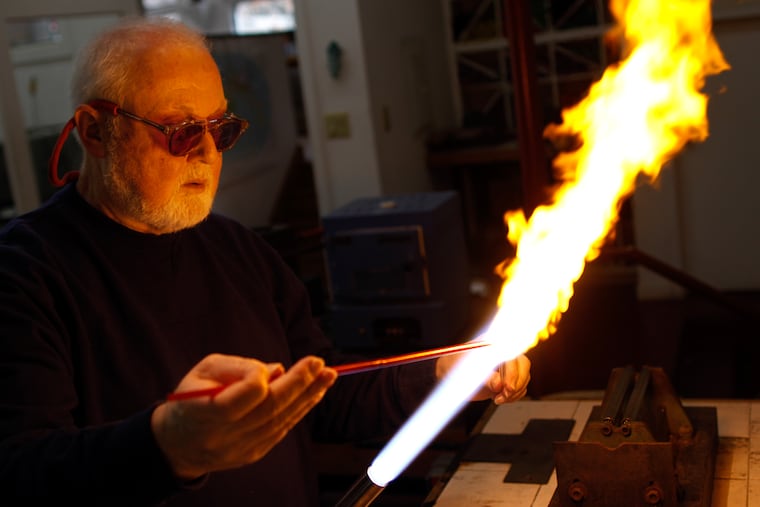
He enjoyed travel, music, reading, running, and riding his bicycle all over town. He followed the Philly sports teams and crafted little figures out of bottle corks
“He was always smiling,” his wife said. “He was warm and loving, and incredibly intellectual. He loved people.”
In addition to his wife and children, Mr. Gold is survived by two grandsons and other relatives.
A celebration of his life is to be held from 2 to 5 p.m., Tuesday, Dec. 15, at Arch Street Meeting House, 320 Arch St., Philadelphia, Pa. 19106.
Donations in his name may be made to Juntos, Box 2436, Philadelphia, Pa. 19147; and the New Sanctuary Movement, Box 46242, Philadelphia, Pa. 19160.