Accelerate to the modern SEPTA the region deserves
We’ve never made the necessary investments to bring a high-frequency metro service to life; we live with an enviable set of “good bones” that stop short of offering real choice or convenience.
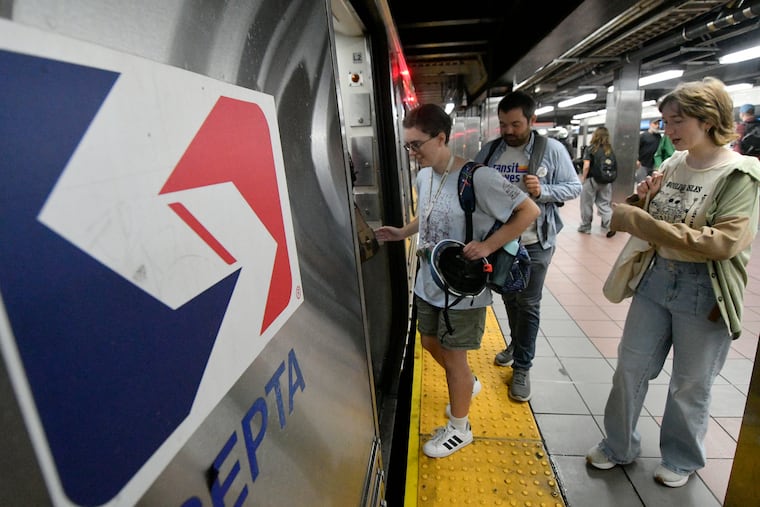
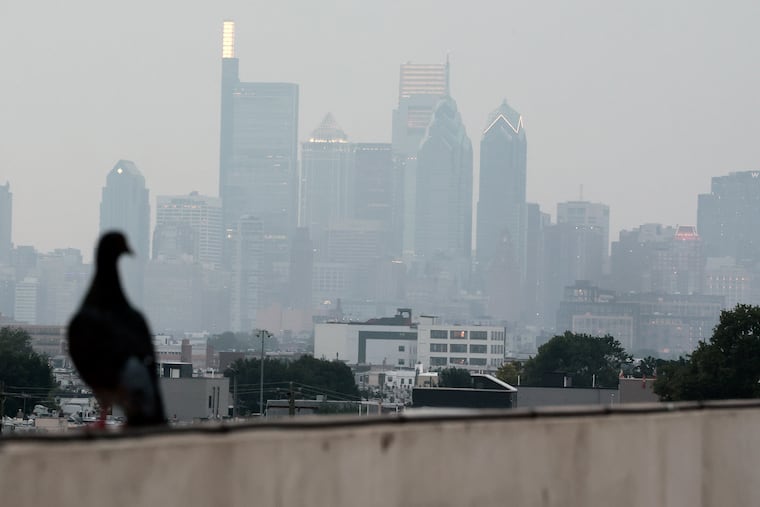
More than 350,000 people spend time in Center City Philadelphia on an average day. That’s because it is a lot of things to a lot of people: the largest employment hub in our 11-county region, the densest and fastest-growing residential area, the highest concentration of restaurants, shops, museums, and theaters, and the primary destination for millions of conventioneers and tourists annually.
Even if you don’t live or work here, chances are you spend time here, or know people who do.
This is largely possible because we are the beneficiaries of decades of investment in transit, including a Regional Rail network that connects more than 150 stations in neighborhoods across Philadelphia and towns across our suburbs to the urban core. This puts us billions of dollars of investment ahead of many cities and regions around the U.S. that came of age after the advent of the automobile.
The bad news is that we’ve never been able to use this irreplaceable infrastructure to its full potential. We’ve made some transformative moves, such as combining disparate and struggling transit agencies to create SEPTA in the first place.
Most notably, just over 40 years ago we did something no other U.S. city has done: We built the Center City Commuter Connection that combined the legacy lines of the Reading and Pennsylvania Railroads into one integrated system. This was done, in part, because planners at the time understood the potential to run Regional Rail less like a commuter rail and more like a high-frequency metro service.
Because we’ve never made the necessary investments in vehicles, signals, and station platforms to bring this idea to life, we live with an enviable set of “good bones” that stop short of offering real choice or convenience.
It doesn’t have to be that way. Accelerate, SEPTA’s vision for best-in-class transit, would transform quality of life for millions of people across our region. In so doing, it would completely redefine our relationship with Center City.
We’ve all been there: You miss a big meeting because your usual train was canceled and the next one skipped your station due to overcrowding. The comedy show runs long, you reach the platform two minutes after the last train home pulls out, and now you’re paying $50 (or more?) for an Uber.
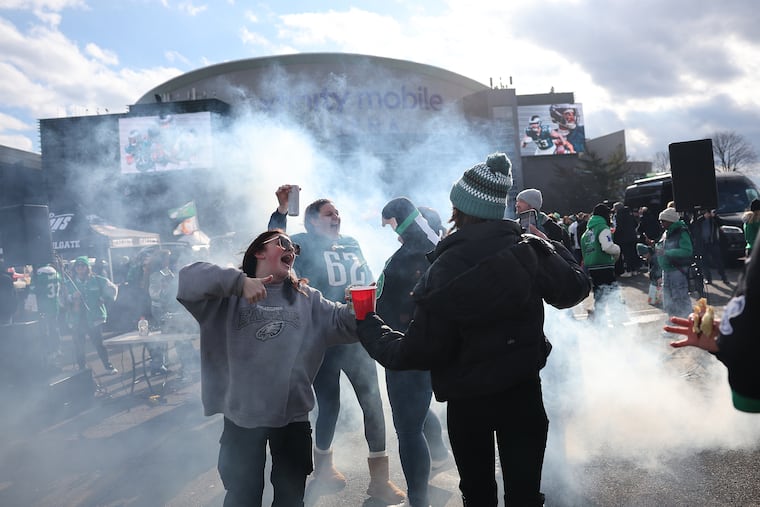
Date night ends early because it’s either the 9:16 or the 11:16, and the sitter can’t stay that late. Or maybe you miss half the game because you can’t risk an ill-timed transfer.
Picture knowing the next train downtown (or back home) is never more than 15 minutes away, at any hour, on any day of the week. Neighborhoods such as Fox Chase, Eastwick, Germantown, Mount Airy, and Manayunk would connect to Center City often enough that you’d never think about a schedule again. So would suburbs like Media, the Main Line, Jenkintown, and Conshohocken. If you live in these places, commutes and nights out alike just became painless.
Service at that scale makes room for life’s surprises: a high-stakes deadline at work, spontaneous dinner plans, last-minute concert tickets from a friend, staying at the bar through the end of the playoff game; all of these scenarios and countless others become painless adjustments rather than costly complications. Trips that now feel like carefully calculated events, such as bringing grandma in for the Flower Show, taking the kids to The Nutcracker, or showing out-of-town friends around for the weekend, become simple outings that need little advance planning. Miss a train? Another one is coming in 15 minutes or less.
» READ MORE: SEPTA’s new plan paints a brighter transit future | Shackamaxon
And that’s just Regional Rail. Under Accelerate, the El (Market-Frankford Line) would run every three minutes. Modern light-rail vehicles, the kind many riders have only seen in Europe, would replace today’s trolleys. Buses would come more often, including nights and weekends. New vehicles and major investments in maintenance, cleaning, and security would mean fewer breakdowns and cleaner rides.
The immediate and widespread impacts of such investments are real: fewer reasons to get in the car, less time circling for parking, and less money at the pump. Fewer meals cut short, encores missed, meetings adjourned early, mad dashes to the platform. More spontaneity, more time spent where it matters, more saying yes to the events and occasions that make Philadelphia such a special place to live.
All it takes is money. Not subsistence money. Not barely-keeping-up money. Money that places like Seattle, Boston, and Washington, D.C., have managed to identify, each of them spending more than double what we spend in a year on capital projects alone. SEPTA Accelerate has the potential to meaningfully improve quality of life across our region while making Center City Philadelphia one of the most appealing places in the country to live, do business, and visit.
Clint Randall is vice president of economic development at the Center City District.