The stock market is stuck | Expert Opinion
AI stocks soared based on the data center boom and profits it was generating for chipmakers, but that is now being tested, Mark Zandi writes.
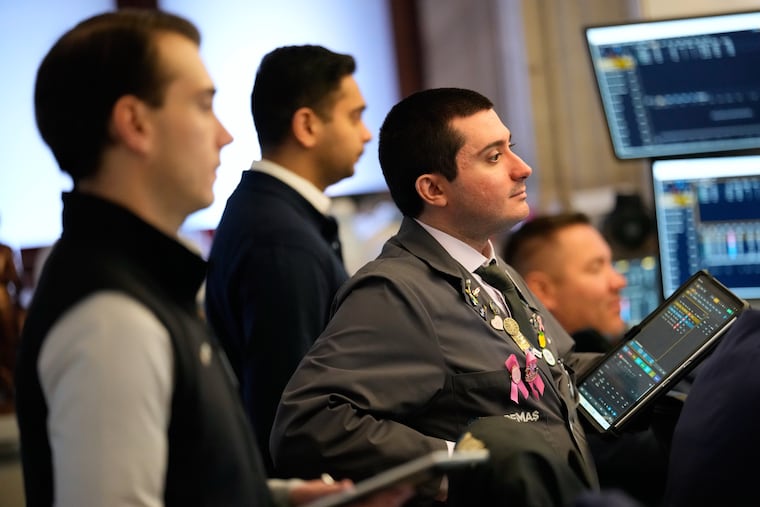
The stock market has been on a wild ride to nowhere. Despite some big swings, including the massive rally on news that Jensen Huang is back as chipmaker Nvidia’s chief executive, the S&P 500 is trading near where it was six months ago.
It’s quite a comedown. From the release of ChatGPT four years ago to the S&P 500’s record high in early October, the index nearly doubled, shrugging off everything from tariffs to the war with Iran. The Philadelphia Semiconductor Index, the benchmark for chip stocks, more than doubled this year through mid-June but has since given back more than half that gain.
The fundamental problem is that stock prices had gotten ahead of themselves. AI stocks soared on the belief that the data center boom and the outsize profits it was generating for chipmakers and other suppliers would go on for years.
Those optimistic expectations were bound to be tested, especially with the 10-year Treasury yield rising and the Federal Reserve appearing more likely to raise interest rates than cut them. With investors able to earn close to 5% on relatively safe Treasury bonds, it is harder to justify paying so much for the promise of AI profits years from now.
The midterm elections were also a blow to the AI industry. Many of the Democrats whose victories gave the party control of Congress and additional governorships campaigned against data centers and the higher electricity bills voters fear will come with them.
Here in Pennsylvania, anger over rising electric bills made data centers a defining issue of this fall’s elections.
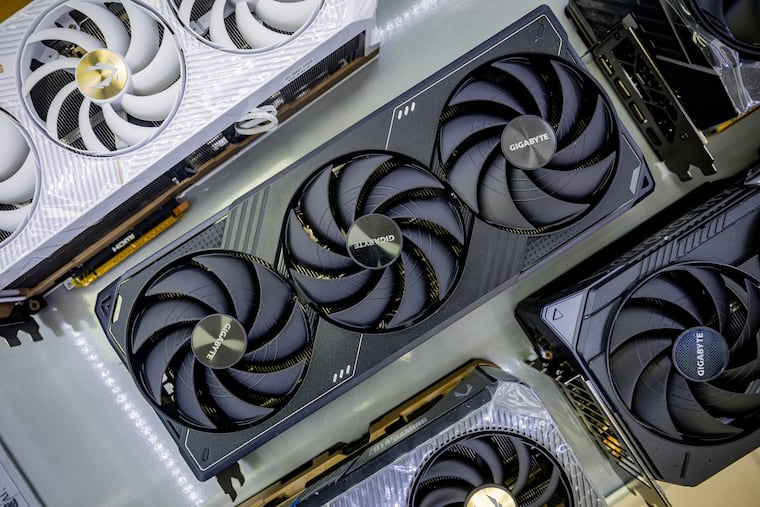
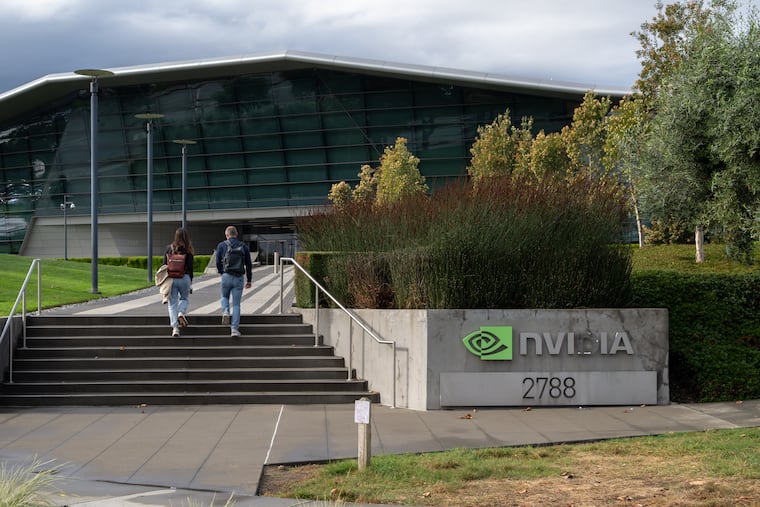
And then there is the drama at Nvidia. The company is at the center of the AI universe, making most of the chips that power the AI build-out. It has also become a major source of financing for the industry, investing in the start-ups and cloud companies that buy its chips and backstopping their borrowing.
Investors dumped the stock when Huang resigned this month after admitting to an affair with a former executive of Megaspeed. The Singapore company had been one of Nvidia’s biggest customers in Southeast Asia and is the subject of a criminal investigation into whether it smuggled Nvidia chips into China. By last week, Nvidia had lost about a third of its market value from its October peak — a stunning $2 trillion.
With Huang out, Nvidia also indicated it would be more selective in financing its customers, a worrisome signal for an industry borrowing heavily to build data centers. Lenders were growing nervous even before the Nvidia controversy.
Hedge funds have reinforced the selling, cutting their exposure to stocks at the fastest pace in more than a decade in early November. Anthropic’s record-setting $81 billion initial public offering may also have drawn money away from other AI stocks.
Why should anyone who doesn’t own AI stocks care? Because the stock market has become one of the biggest drivers of the economy. And you don’t need to own a single share of Nvidia to feel the fallout.
When stock prices decline, households are less wealthy and feel more financially insecure, so they spend less and save more. It’s called the wealth effect, and by my estimate, every $1 decline in stock wealth reduces consumer spending by about 2 cents over the following year.
That adds up. At the worst of the recent market turmoil, about $10 trillion in stock market wealth was erased. And in today’s K-shaped economy, in which affluent households are faring much better than many other Americans, the well-to-do are doing much of the spending. Households in the top 10% of the wealth distribution hold nearly 90% of stocks.
If stock prices simply remain near current levels, the boost to consumer spending from the earlier run-up will fade, and the recent losses in stock wealth will weigh on spending. Together, these effects could swing real GDP growth by a full percentage point in 2027.
A weaker stock market will also make investors and lenders more circumspect about financing the capital-hungry AI build-out — the economy’s other major engine of growth.
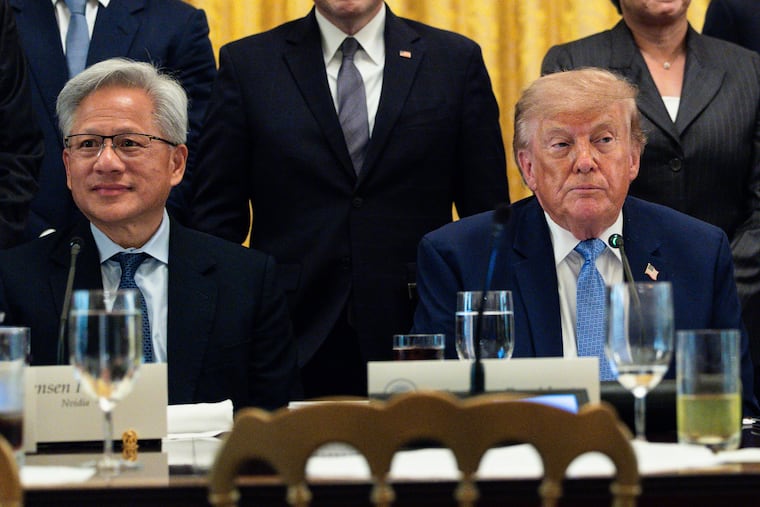
Huang’s return with President Donald Trump’s backing isn’t likely to turn the stock market around.
Nvidia still has significant governance problems. The company depends heavily on Huang and has long lacked a clear succession plan. Its board never had a chair until this month, and the company is only now looking for a chief compliance officer. Huang has also agreed to testify before Congress, and questions about Nvidia chips being smuggled into China won’t go away anytime soon. And the president’s support could backfire, accelerating bipartisan legislation that limits the administration’s flexibility on AI export controls.
The easy money in AI stocks has likely already been made. I wouldn’t be surprised if the stock market is no higher a year from now.
If so, two of the economy’s main engines of growth — spending by affluent Americans and AI investment — will lose some steam. The stock market doesn’t have to crash to cause the economy considerable grief.