At a memorial for Malayshia Allford, grief gives way to calls for justice
Family members, teachers, and friends gathered to remember the 10-year-old girl who they described as kind, a quick learner, and natural leader.
One afternoon, Malayshia Allford asked her teacher for a hug. The teacher obliged.
After that, it became their ritual. Every afternoon, before Malayshia climbed aboard the school bus, she got a hug.
On Wednesday, the teacher, Yvette Burns, shared that memory at a celebration of life for the 10-year-old girl, who was killed late last month. Now, with Malayshia gone, Burns said, she takes comfort in knowing that she sent the girl to the school bus every day “wrapped in love.”
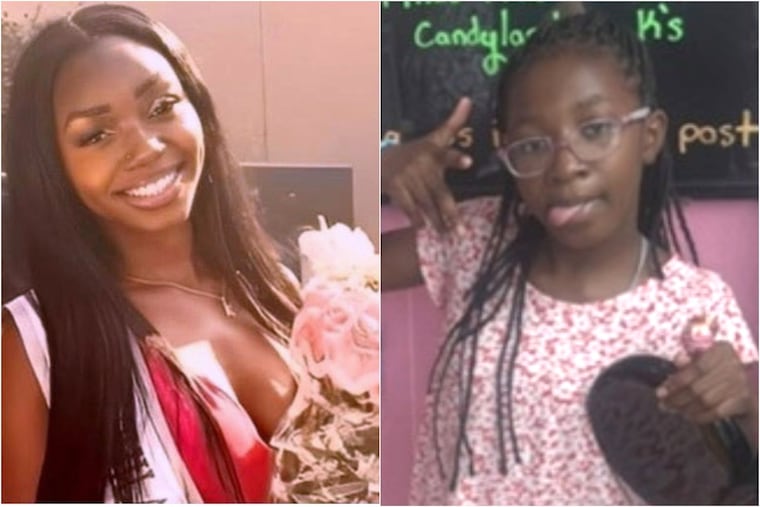
Malayshia was found dead in the trunk of a car in South Jersey on Nov. 4, ending a more than weeklong search that drew police, federal investigators, and volunteers.
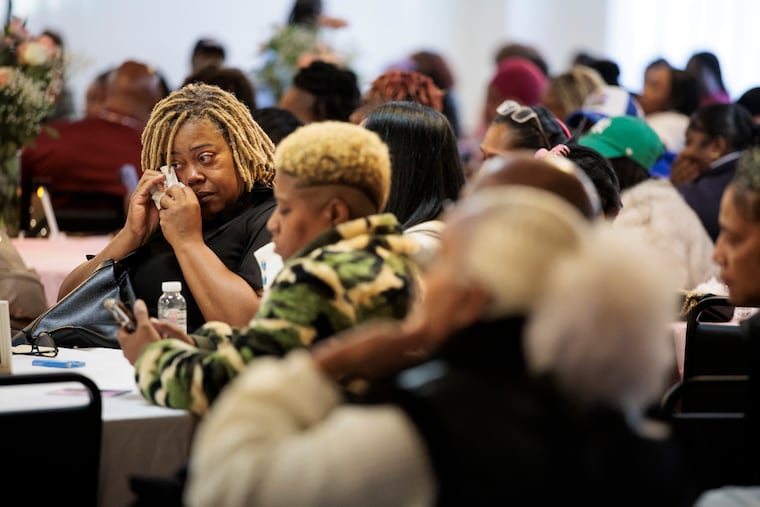
Authorities have charged her foster mother, Philadelphia schoolteacher Carprice Williams, with murder. But to the more than 100 family members, teachers, and friends who gathered Wednesday inside a West Philadelphia venue to remember her, Malayshia was more than the child at the center of a criminal investigation. She was a kind, caring girl who, at least at school, knew she could count on a hug at the end of the day.
“She was a great person,” Burns said, “who just happened to be 10 years old.”
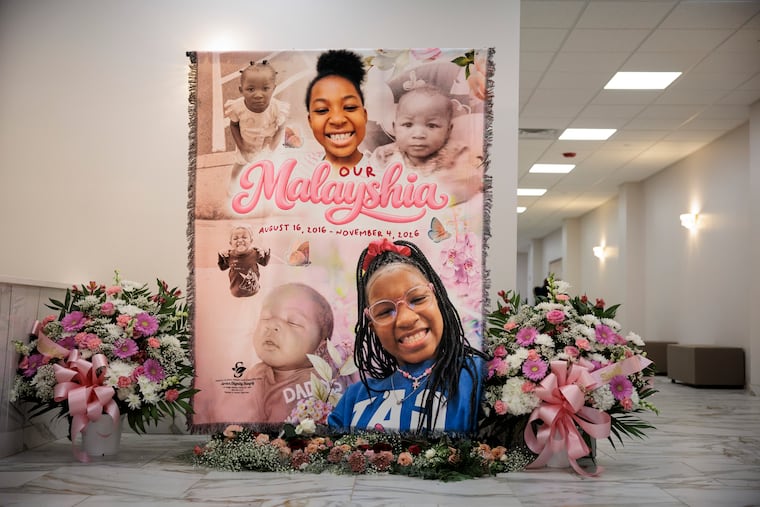
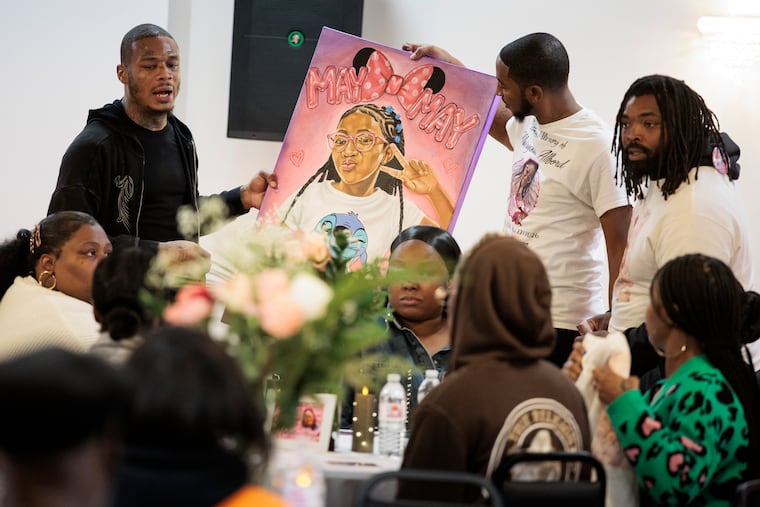
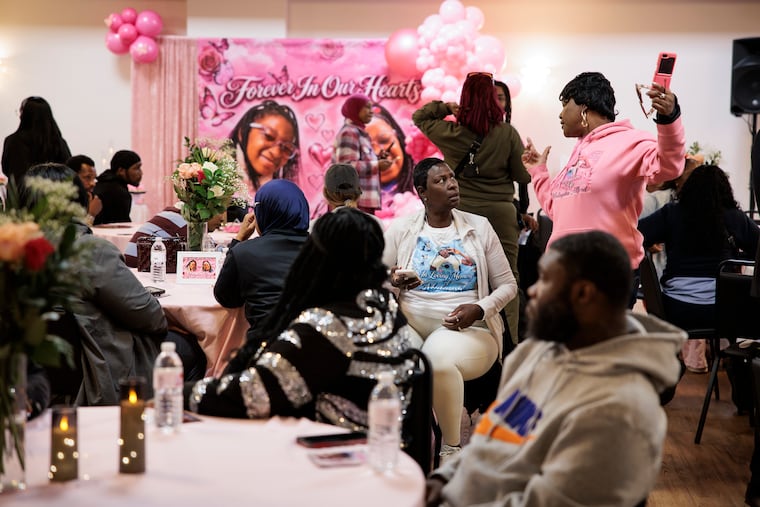
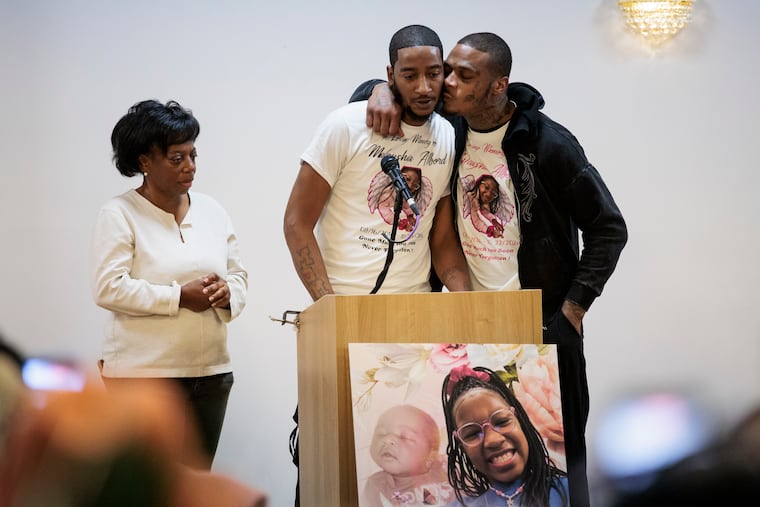
Pink was the color of the celebration, a fitting tribute to a girl whose smiling face cycled across a screen in photograph after photograph, nearly always wearing a touch of it: a bow tucked into her hair, the thick frames of her glasses.
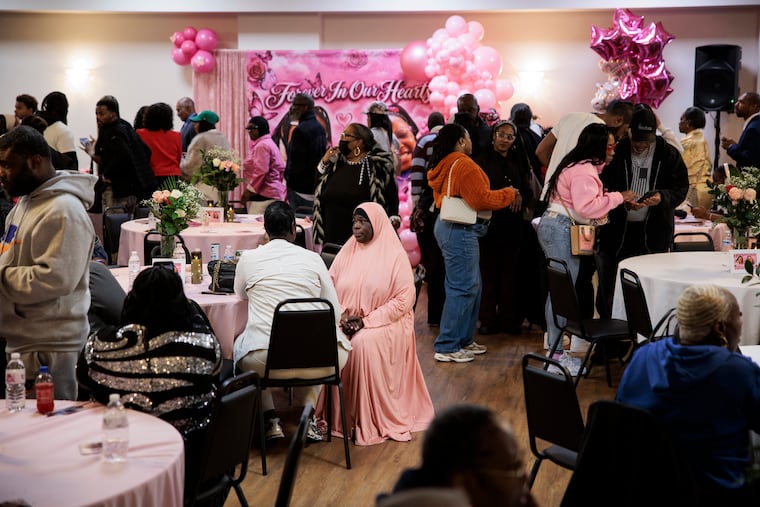
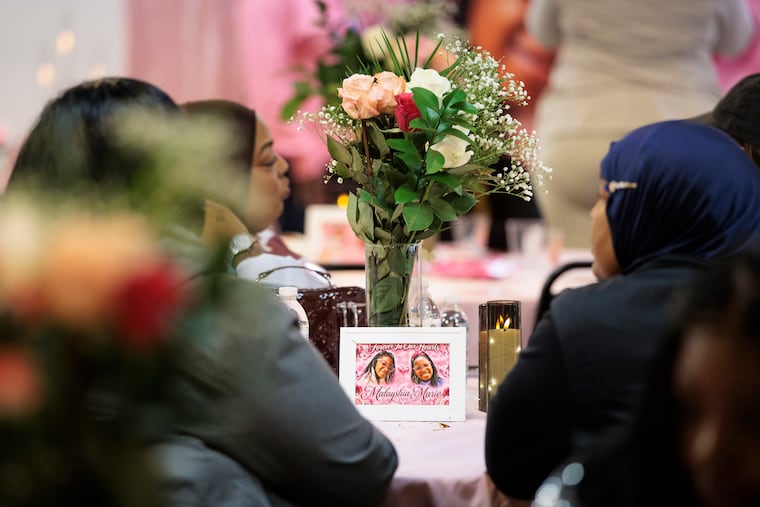
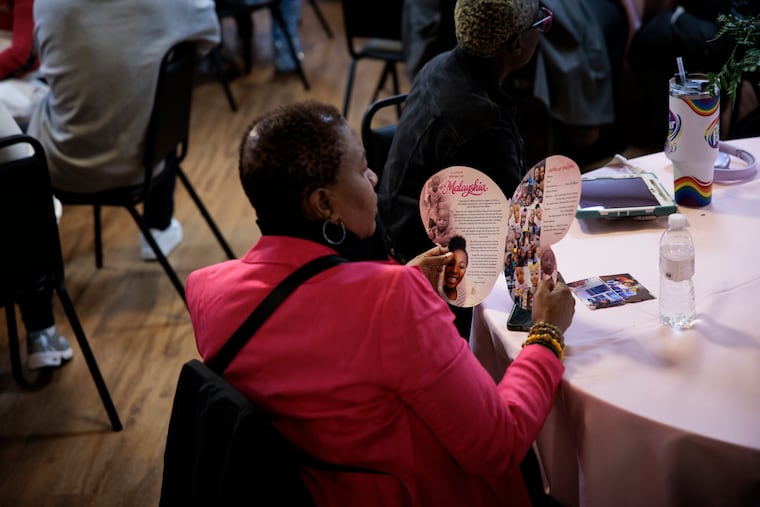
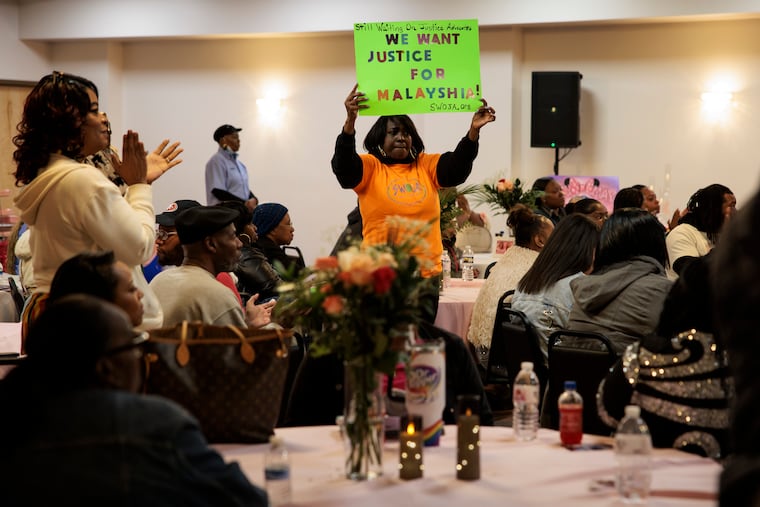
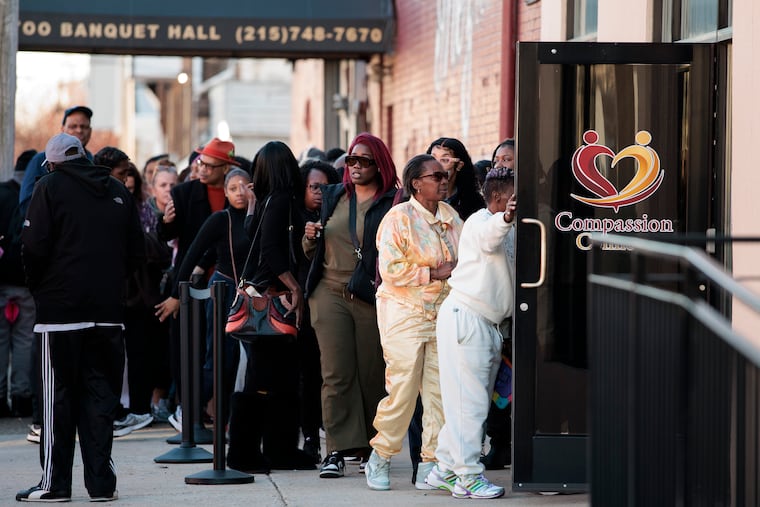
People lined up outside Compassion Connect Venue before the 3 p.m. service, and the queue stretched down the block. On their way inside, they stopped to write messages to Malayshia’s family on hot pink posters, then took seats at tables covered in pink tablecloths. Pink roses and carnations filled flower arrangements throughout the room. Catering tables were draped in fuchsia sequined cloths, and pink balloons framed a large display at the front, where photographs of Malayshia were set against a pink background beneath the words: “Forever in our hearts.”
In Burns’ math and science classroom, Malayshia had arrived with a quiet smile, the teacher said. It did not take long for Burns to recognize her as a natural leader, she said, someone who got along with her classmates and was eager to participate.
Her favorite classroom game was “Around the World,” Burns said.
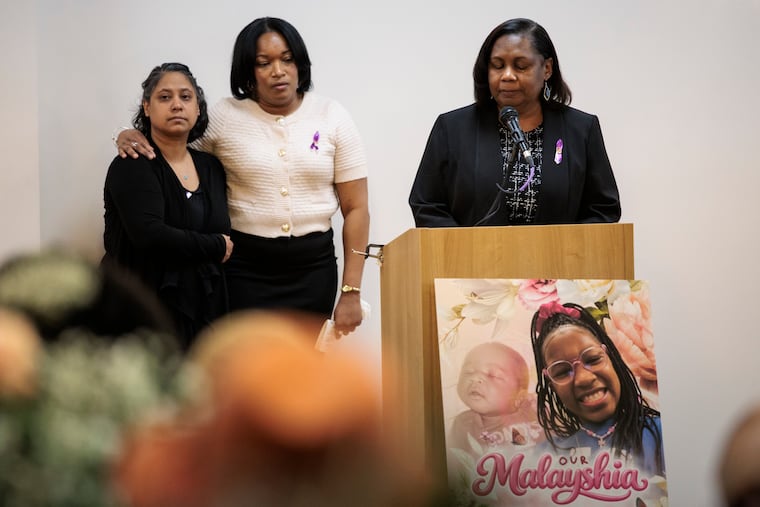
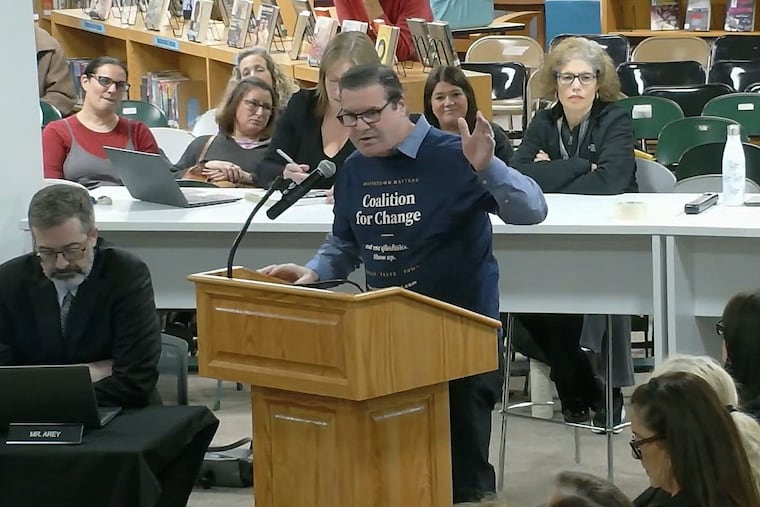
Andrea Surratt, principal of Robert E. Lamberton School, where Malayshia was a fifth grader, also remembered her sweet spirit. But Surratt made clear that Wednesday was not only a day for remembering the girl — it was also a day to demand accountability for what happened to her.
“What happened to Malayshia was a profound tragedy,” Surratt said. “Her suffering mattered. And the people responsible must be held accountable.”
Surratt’s final words drew loud applause.
For some relatives, the celebration was an opportunity to remember a girl they had not seen in years. Her uncle, Nafis Horne, said he had not seen Malayshia in about six years. But he told the crowd that her death should not mark the end of anything. Instead, he said, it should begin a collective pursuit of justice, one that would require the people gathered in the room to keep pressing for answers.
“The community and people that’s here — that’s how we get this done,” he said.
Malayshia entered Philadelphia’s child welfare system in 2020, when she was 4, after a domestic violence incident between her parents prompted a caseworker to remove her from her mother’s home.
In 2021, a Philadelphia Family Court judge found the home unsafe. Malayshia was placed with a relative and allowed weekly supervised visits with her parents. But that arrangement was upended the next year, when Malayshia’s parents were arrested for taking her from a supervised visit at Catholic Community Services in Northeast Philadelphia, according to court records. Both parents later pleaded guilty to interfering with custody, the records show.
In all, Malayshia lived in at least three homes during her six years in the city’s system. Some family members have said they had wanted to take her in but were not given the chance.
Malayshia was placed in Williams’ home in 2025, after caseworkers found that she had been physically and sexually abused in a previous foster home, according to Nadeem Bezar, an attorney representing her estate.
Malayshia was last seen alive on Oct. 22, prosecutors have said, and she did not appear at school the next day. Williams, 36, did not report Malayshia missing until Oct. 26.
Witnesses have told police that Williams also abused Malayshia for months — including withholding food, beating her with a phone cord, and throwing her down stairs.
A medical examiner determined that Malayshia had died of blunt force trauma and that her death was a homicide.
Williams was arrested and charged with murder on Nov. 5.
In the two weeks since, city officials, lawmakers, and relatives have demanded to know how Williams was allowed to foster Malayshia. Mayor Cherelle L. Parker has ordered a review of the city’s foster care system, and District Attorney Larry Krasner has opened an investigation into how Williams was approved to foster Malayshia. And multiple City Council members have called for hearings to uncover what system failures may have led to her death.
In 2021, another child in Williams’ care had been hospitalized with severe brain bleeds and malnutrition. A state near-fatality review team recommended in 2022 that Williams never again be permitted to care for foster children. Williams successfully appealed an abuse finding, however, and had her record expunged, according to a spokesperson for the Pennsylvania Department of Human Services.
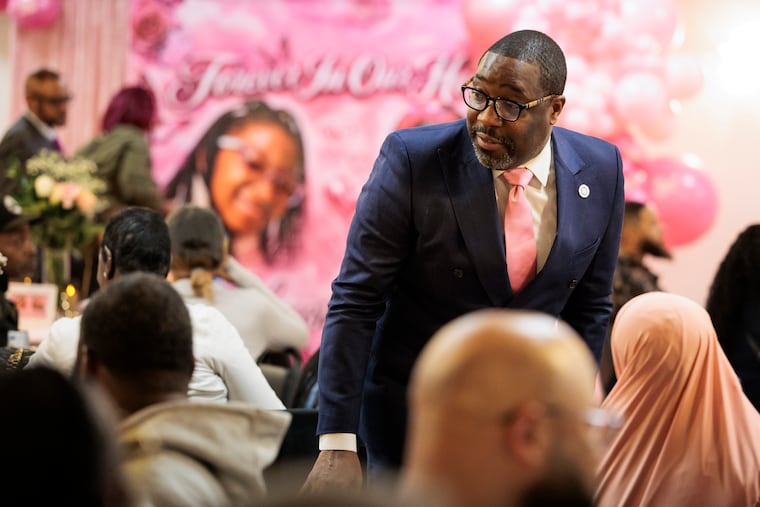
City Council President Kenyatta Johnson and Councilmember Curtis Jones Jr., who represents the district where Malayshia lived, also attended the gathering on Wednesday.
“It’s our responsibility as a village to make sure that we carry on her life and legacy, calling for justice,” Johnson said. “We are in these positions … to not only serve you, but to protect our most valuable asset here in the city of Philadelphia, and that’s our children.”
He said City Council is “110% committed” to not only calling for justice, but also to “radically change the system.”