Academy of Natural Sciences wanted to move collections to Cleveland or Abu Dhabi. Drexel opposed it, president testifies.
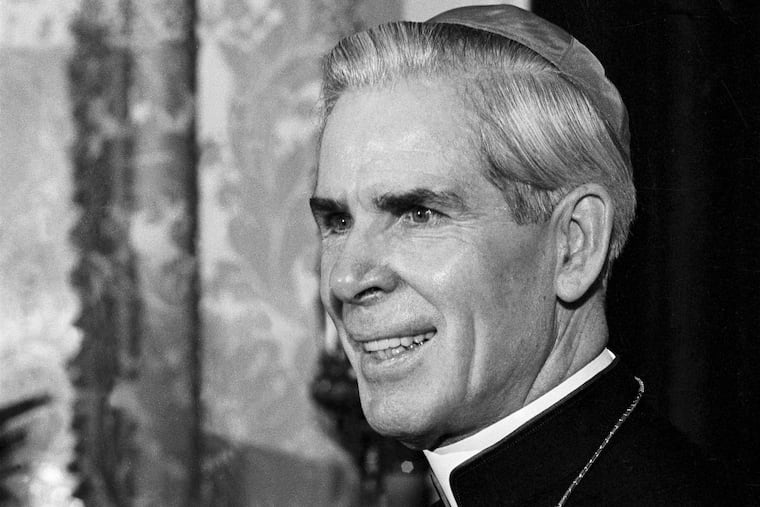
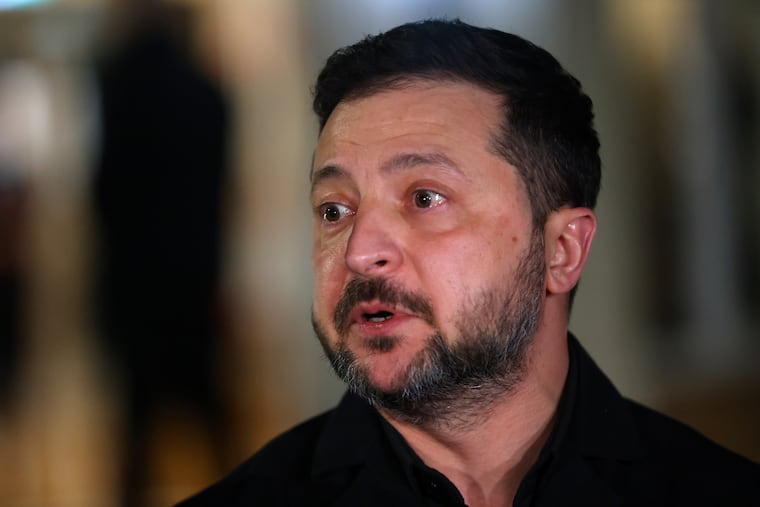
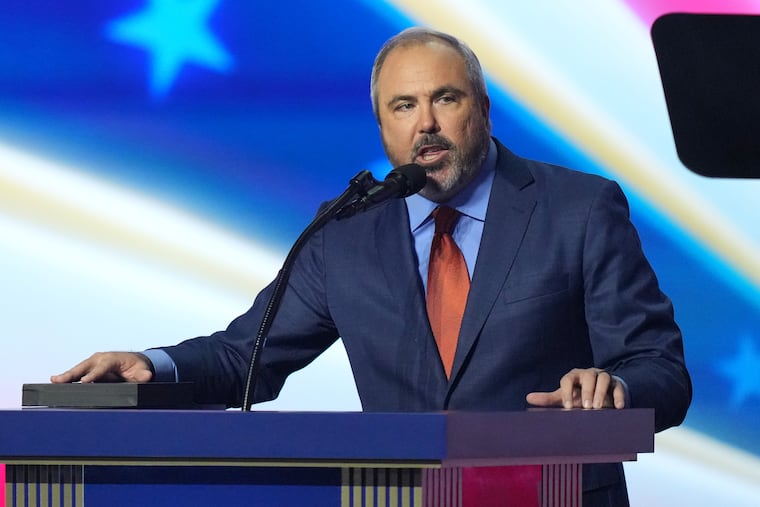
“The Academy board and executive leadership presented the closure of the public museum as unpreventable and inevitable” at an Academy board retreat in September 2025, Antonio Merlo testified.
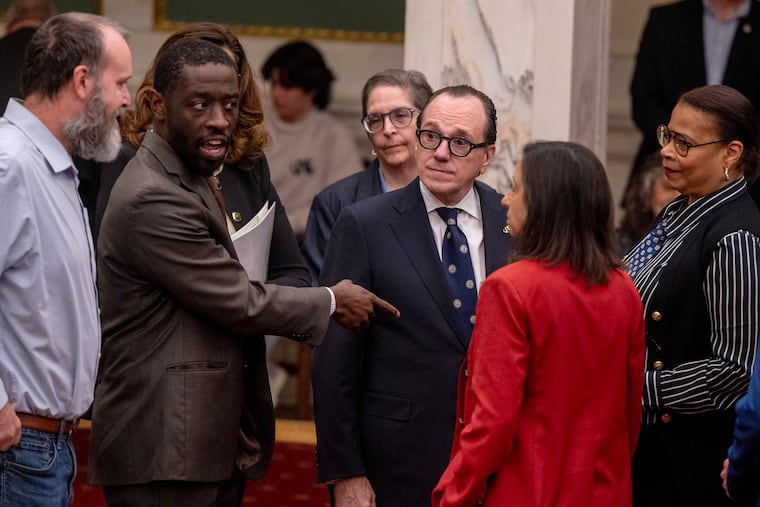
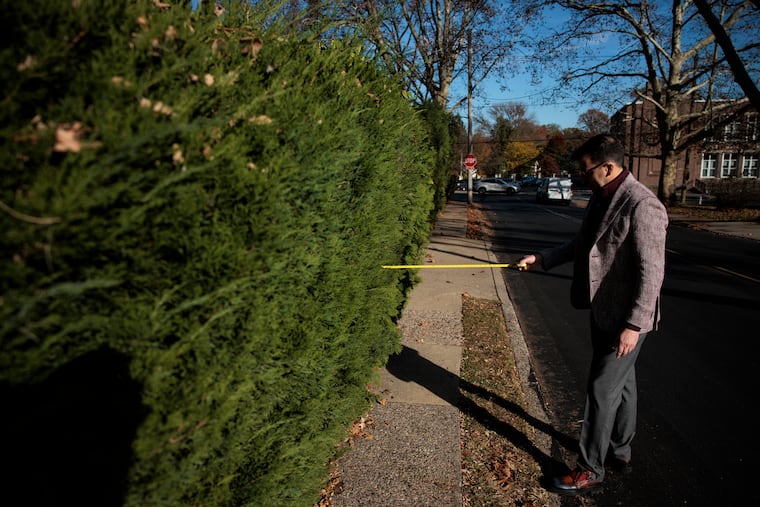
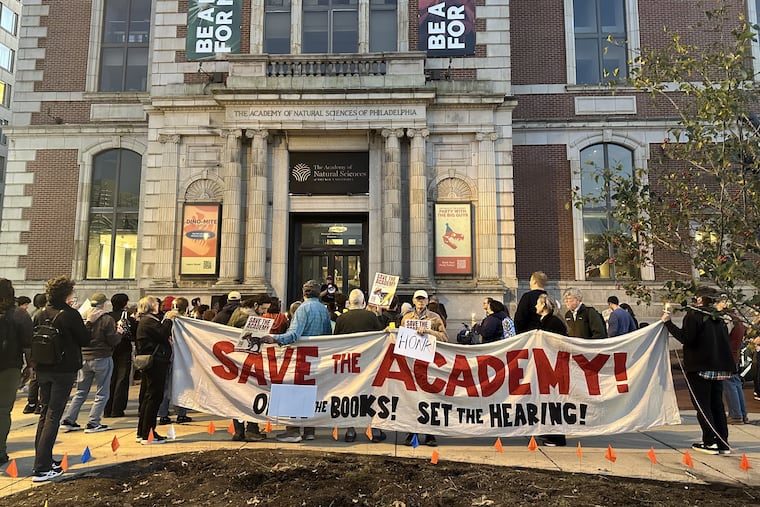
Over a year ago, the Academy of Natural Sciences presented Drexel University with a plan it was developing to permanently close its Philadelphia museum and move the entire collection to Cleveland or Abu Dhabi, Drexel’s president told City Council Monday.
And it was Drexel that opposed that plan, president Antonio Merlo said during the second part of a hearing called by Council to investigate the shutdown of the nearly two-century-old museum at the end of September.
“The Academy Board and executive leadership presented the closure of the public museum as unpreventable and inevitable” at an Academy board retreat in September 2025, Merlo testified. “In response, I made it clear this was unacceptable and Drexel wanted no part of any plan to remove the Academy’s treasures from the City of Philadelphia. I told them they would need to disaffiliate from Drexel to move forward with that.”
» READ MORE: Amid ‘divorce’ talks and ‘witch hunt’ allegations, Drexel-Academy of Natural Sciences talks are stalled
Merlo did not testify at the first hearing at the end of October, but rather sent one of his administrators. Council then, in a rare move, issued a subpoena to force Merlo to testify, as well as Deputy Mayor Patricia Wellenbach.
As part of its testimony, Drexel submitted Academy board meeting minutes marked confidential along with planning and financial documents, disclosing the Academy’s behind-the-scenes steps to eventually close the Academy building and send its invaluable collection of 19 million items to other museums as they continued to cope with deficits.
Suzanne Biemiller has served as chair of the Academy board since March 2025, replacing David Griffith, who is now an emeritus board member. Academy leadership was not immediately available for comment on Merlo’s testimony Monday.
Ultimately, the plans to move the collection to Cleveland or Abu Dhabi didn’t materialize, and the Academy and Drexel have been at a stalemate over the future of the Academy and their affiliation. Drexel has said it can no longer afford to fund the Academy’s deficits as it faces financial pressure to close its own budget shortfall, and gave the Academy the choice of fully merging into Drexel or disaffiliating.
The Academy, for its part, objected to Drexel’s maneuvers to gain full control over the collections and operations and reluctance to continue funding the Academy’s needs. The Academy opted to disaffiliate but the two sides have differed on terms involving Drexel’s financial support in the years immediately following disaffiliation. This has led to a stalemate and no talks have been held since early October.
» READ MORE: City Council grills Drexel representatives for closing Academy of Natural Sciences museum
Merlo on Monday presented a timeline of his dealings with the Academy from the time he became Drexel’s president in July 2025. He told council that it was clear to him from the start that the affiliation “was no longer tenable.”
Since the affiliation, Drexel has provided nearly $95 million in funding and in-kind services and contributions to the Academy, he said. The school also provided a year-by-year breakdown of support to council in a submitted document.
In response to the Academy’s desire to close the museum, he said he recommended that Drexel provide a new home for the collections “while more closely integrating the education and research mission of the Academy with that of the university.”
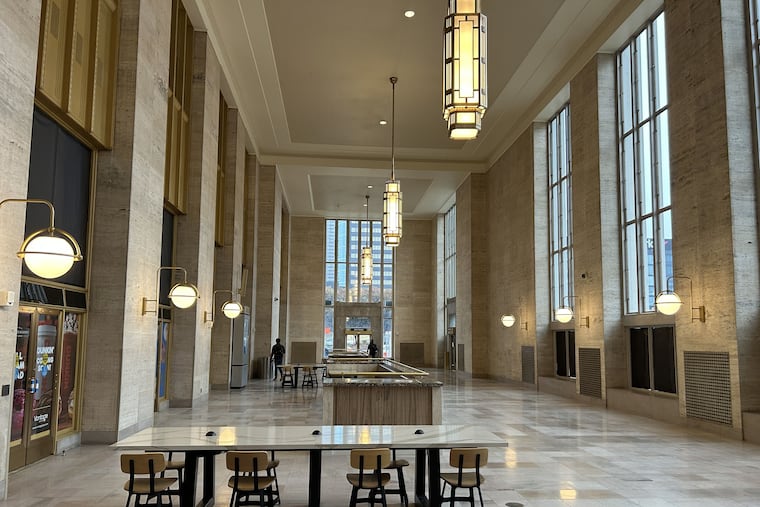
In documents that Drexel submitted, the Academy building on the Benjamin Franklin Parkway was estimated to be worth $30 million.
“Under my proposal, Drexel would preserve the Academy’s identity and legacy as a public-facing institution through public programming and staging of public exhibits either on campus or with a partner museum,” Merlo said. “Under our proposal, Drexel would assume the Academy’s assets and liabilities, and the Academy’s board would become advisory. If the Parkway building were sold, its proceeds would be dedicated entirely to the care and preservation of the collections.”
In March 2026, Gov. Shapiro asked former Comcast executive and U.S. Ambassador to Canada David L. Cohen to attempt to broker an agreement between the Academy and Drexel, Merlo said.
“The governor’s primary goal in the outcome of these negotiations is that the Academy and its vast resources do not leave the Commonwealth of Pennsylvania,” Cohen wrote at the time, according to Merlo.
» READ MORE: https://www.inquirer.com/education/academy-natural-sciences-philadelphia-interim-leader-contract-drexel-20260902.html
Cohen’s involvement came about six months after the Academy board meeting where plans to move the collections to Abu Dhabi or Cleveland were discussed. It wasn’t immediately clear what happened in the interim or why the plan to move the collections didn’t advance.
The two sides in early September agreed to a set of terms that “closely resembled our proposal” and included the closure of the museum, Merlo said. The deal “would have secured a financially sustainable future” for the Academy in Phialdelphia, he said.
“Drexel was all in on the deal,” Merlo said. “So was the mayor. So was the governor … But the Academy’s trustees walked away from that deal.”
Biemiller, chair of the Academy’s board, told The Inquirer last week that the board concluded that deal was not in the best interest of the Academy.
“We said that the term sheet did not work economically and that the trustees of the Academy would therefore not approve it,” she said. She added that Drexel’s initial rejection of an offer by the William Penn Foundation to fund operating expenses of the Academy to keep the museum open “signaled to the Academy trustees that Drexel wasn’t working in the best interest of the Academy.”
The Academy, Cohen said last week, decided instead to pursue disaffiliation.
The governor and mayor have not returned requests for comment on the matter.
Merlo said it will take “tens of millions … to create a sustainable operating model [for the Academy], including undertaking major capital repairs, providing dependable operating support, and supporting a museum program that gives people a reason to visit and come back.”
He said Drexel will continue to honor the terms of the 2011 affiliation agreement that joined the two institutions and pursue options to keep the Academy in Philadelphia but on “secure and sustainable financial footing.” The university also has agreed to a review funded by the William Penn Foundation and other philanthropies that would yield a wide-ranging study on the physical and fiscal conditions of the Academy and a sustainable model for its future. The foundations’ plan was announced Friday.
“Drexel is ready to do its part,” Merlo said.
During his testimony, Merlo also explained his absence from the last City Council hearing — he had to be on campus for a meeting with the school’s accreditor — and said he meant no disrespect to council. He also said he regretted the way the museum’s closure was announced.
“It is now clear,” Merlo testified, “that this process would have benefited from including City Council members, foundations, and other civic leaders much sooner into the conversation over our efforts to address the Academy’s dire financial condition.”
During her testimony Monday, Wellenback said has “no decision-making over the museum’s future.
“Nor was I involved in the events up to the closure,” she said.
Wellenbach was appointed interim senior advisor of the Academy in early September and will finish her role at the end of the December.
“My operational role is narrow, and my tenure is intended to be brief,” she said. “My primary focus is on ensuring continuity during the transition and to serve as a bridge for the Academy while a full-time interim leader is identified.”
This is a developing story and will be updated.