Drexel proposes divorce settlement with Academy of Natural Sciences
The offer from Drexel University is intended as a path to independence, giving the Academy $7 million and in-kind services through June 2028. It does not address a reopening of the museum.
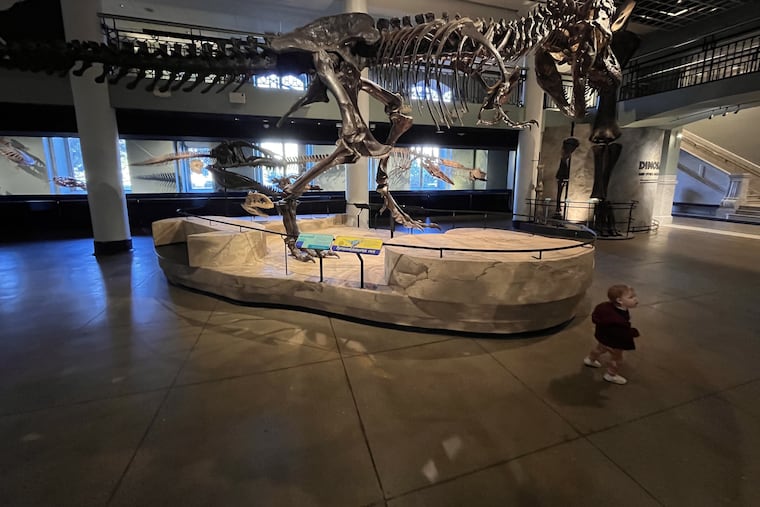
In a bid to end what it once called a “historic” affiliation, Drexel University Friday offered to sever ties with the Academy of Natural Sciences, dangling $7 million and another $8.9 million in-kind services over one and a half years, according to a copy of the proposal obtained by The Inquirer.
The one-page proposal — essentially a kind of alimony offer — would provide $5 million in the current fiscal year, grant $2 million for fiscal year 2028, and continue in-kind support through June 30, 2028. While offering a clean separation after weeks of intense public acrimony between the two institutions, the proposal does not address a reopening of or funding for the Academy’s museum, which was closed amid great public outcry at the end of September after nearly two centuries in operation.
The Academy showed an operating budget of almost $24 million on its 2024 tax return.
» READ MORE: Drexel and Academy of Natural Sciences leaders trade blame as Philly lawmakers push to reopen museum
The deal would undo a quasi-merger announced in 2011, returning the nonprofits to their former status as two completely independent organizations as of June 30, 2027.
“We entered into this affiliation in 2011 because we believed in the Academy’s mission, and that belief has not changed,” Drexel’s proposal states. “As we look toward a different path forward between our two institutions, Drexel wants to help give the Academy a strong foundation as it builds a future with other partners.”
» READ MORE: Amid ‘divorce’ talks and ‘witch hunt’ allegations, Drexel-Academy of Natural Sciences talks are stalled
Drexel also offered to cover interest-free financing to the Academy through the transition period, and support for the Academy in replacing the in-kind services Drexel provides. Drexel and the Academy also would continue their academic and research collaboration under the proposal, though no details were provided.
The Drexel proposal was received by the Academy Friday and it is being reviewed, an Academy spokesperson said.
The end of a 15-year-old relationship
A separation 15 years into the relationship would raise a series of questions for both organizations about how to disentangle from each other.
The Academy has relied on a host of shared services ranging from payroll to the investment of its endowment, and would have to figure out how to manage these responsibilities and expenses in the future.
The university has degree programs, faculty, and other personnel with which it shares costs with the Academy. Drexel students participate in co-ops as well as other work and research at the Academy — among the symbiotic relationships highlighted when the partnership was first announced.
» READ MORE: A final day at the Academy of Natural Sciences brought tears, nostalgia, and disbelief
“This affiliation will move Drexel into a national leadership position in environmental science and environmental policy,” John Fry, Drexel’s president in 2011, said at the time. (Fry left Drexel in 2024 to lead Temple University.) “It will provide our faculty with opportunities to make even greater contributions to discovery and innovation in the natural and environmental sciences, propelling the University and our College of Arts and Sciences to the next level in research and teaching in these fields.”
The offer of separation is the latest volley in an ongoing dispute between Drexel and the Academy over the future of their affiliation. Talks broke down over a month ago after about a year of negotiations over the terms of altering or ending the relationship between the university and the internationally prized natural science institution on the Ben Franklin Parkway.
» READ MORE: A final day at the Academy of Natural Sciences brought tears, nostalgia, and disbelief
About a month ago, Drexel’s opening offer was no money and three months of in-kind services. The Academy asked for in-kind support for five years as well as $25 million, Gregory S. Rigdon, an Academy trustee and board treasurer, told Council earlier this week.
Academy board officials told City Council at the continuation of a hearing last week investigating the September closure of the Academy’s museum that the Academy needed financial support to survive the transition and as a bridge to independence. The Academy Board of Trustees currently has about 20 members, including Drexel members.
The dispute between the Academy and Drexel first became public in April when it seemed the two sides could be heading for divorce, but Gov. Josh Shapiro and Mayor Cherelle L. Parker asked former Comcast executive and U.S. Ambassador to Canada David L. Cohen to mediate. The two sides agreed on a term sheet that would keep the affiliation, but then the Academy pulled out, saying it concluded the arrangement was not in its best interest.
In the term sheet, Drexel had proposed reducing the Academy board’s role to an advisory capacity, ending its fiduciary duties and further curtailing its power.
They then attempted to negotiate a disaffiliation.
» READ MORE: Philly taxpayers may help fund Academy of Natural Sciences by end of the year, City Council members say
Is Drexel’s offer enough?
It’s likely the Academy would need more financial support than Drexel is offering, and where that would come from is uncertain. City Council members this week said they would seek to provide money to the Academy for a three-to-five-year period, but it’s unclear whether the Parker administration would approve that.
On Monday, Drexel president Antonio Merlo told council that the governor and mayor had supported the new affiliation agreement the two sides had tentatively agreed to in September.
Cohen also has said he didn’t think disaffiliation was the best path.
Reached Friday, Cohen said Drexel’s proposal “represents a strong good faith effort by Drexel to respond to the Academy’s request for disaffiliation and to City Council’s request that Drexel respond to that request.”
Merlo, over a month ago said he would honor a bid for disaffiliation if the Academy wanted that.
“Drexel has heard the desire expressed by many parties for it to disaffiliate from the Academy, and we support that objective if it places the Academy on a strong path toward a financially viable and sustainable future,” the school’s Friday proposal said. “This proposal is offered in that spirit and represents our best effort to create the conditions for that outcome.”
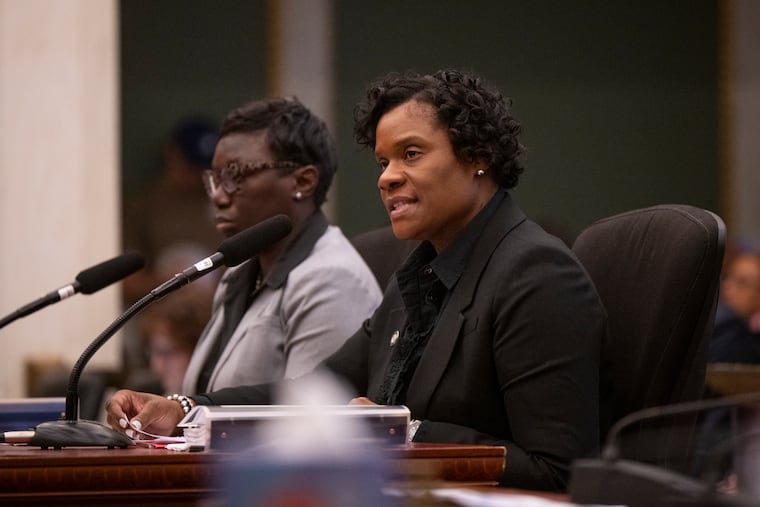
Council member Nina Ahmad said she was encouraged by proposed disaffiliation agreement and that she saw it as a first step toward getting museum reopened.
“I applaud Drexel for coming to the table and negotiating in good faith,” she said Friday. “The terms still need a close review, and I look forward to seeing the details.”
The 2011 Drexel-Academy affiliation was endorsed by then-mayor Michael A. Nutter and “jump started” with a $1 million grant from the Pew Charitable Trusts.
In announcing the grant, Pew’s president at the time, Rebecca W. Rimel, called the affiliation a “bold and visionary plan.”
“Others in the nonprofit sector,” she said, “should look to this merger as a model of sound and creative decision making, which will provide for a secure and successful future for these great institutions.”