Lethal injection took an hour as Texas executioners hunted for a vein
A spokesperson for the Texas Department of Criminal Justice said that the duration of executions can vary, and that Thursday’s was not out of the ordinary.
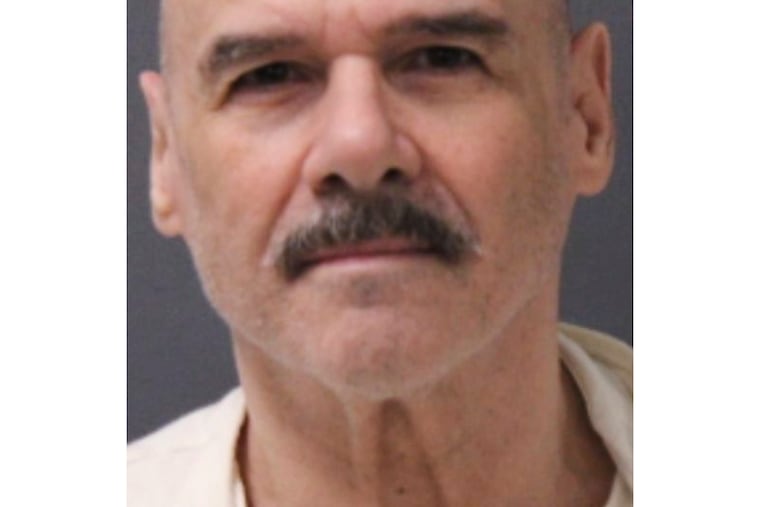
An execution by lethal injection in Texas on Thursday took more than an hour as prison workers struggled to find a prisoner’s vein, according to an Associated Press reporter who witnessed the death.
The man who was executed, Reinaldo Dennes, was sentenced to death in the 1996 killing of a diamond broker.
Dennes was strapped to a gurney around 6 p.m., said the reporter who witnessed the procedure, Michael Graczyk. But it seemed to take longer than usual for the prison staff to find a suitable vein, and the execution team ultimately inserted needles in the prisoner’s left foot and in the left side of his neck, he said.
Dennes, 70, moaned for several minutes before he began to snore, the reporter added.
Amanda Hernandez, a spokesperson for the Texas Department of Criminal Justice, said that “as far as this agency is concerned, it is 100% not a botched execution. This was a successful execution, and we did follow all of the proper protocols to do it correctly.”
Another witness, the Rev. Jeff Hood, a spiritual adviser to death row inmates, said that his hand was on Dennes’ shoulder while the prisoner yelled in pain.
“Every jolt of that body came up through my arm,” Hood said in a news release shared by his nonprofit organization, the Execution Intervention Project, which opposes capital punishment.
“I have stood beside 13 lethal injections,” he added. “A man is supposed to lose consciousness fast.”
Hernandez cast doubt on the idea that Dennes faced a particularly cruel death.
“Before the drugs had even started, he was complaining of pain in his right leg,” Hernandez said. “And there was not an IV in his right leg.”
Hernandez added that the duration of executions can vary, and that Thursday’s was not out of the ordinary.
“It’s not how quickly can we do it,” she said. “We want to take our time and make sure that it’s done correctly.”
Execution team members normally look for two veins, but it was difficult to find usable veins in Dennis’ arms, Hernandez said. At 6:20 p.m., she said, they inserted an IV line into his neck, and at 6:38, they inserted another into his left foot.
Then, she said, witnesses filed into the room, and the lethal drugs began to flow at 6:52.
According to the Criminal Justice Department, Dennes was pronounced dead at 7:08 p.m.
His final statement said he wanted his family to know that he had been “extremely blessed these 30 years,” adding that he hoped that they would “get to know this great gift and great grace of God the Father.”
Lethal injections came under intense scrutiny after Tennessee botched two of its three executions this year, mostly recently in the case of Christa Pike. Tennessee has paused executions as an independent review is conducted into the September execution attempt, which Pike survived despite two injections of a lethal drug.
This article originally appeared in the New York Times.