Antibacterial soap vs. regular soap: Which should you use?
Antibacterial soap may sound like the better choice. But experts say it makes sense only in a few specific situations.
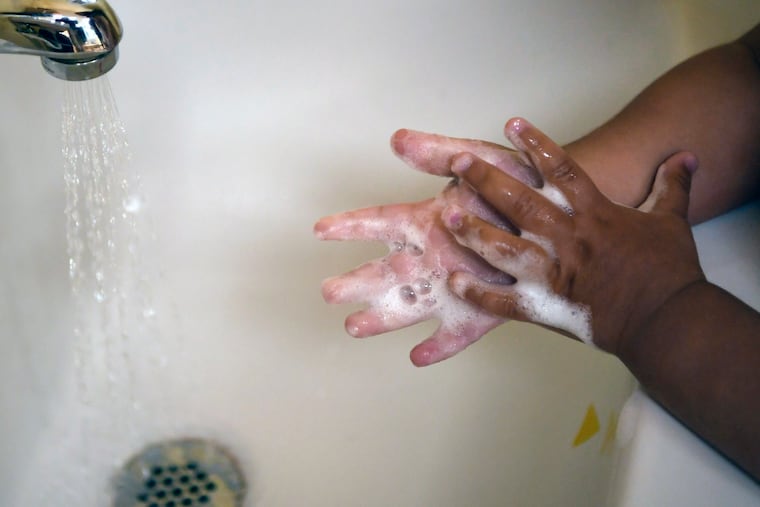
We all know hand hygiene — and health-related cleanliness in general — is important. Washing your hands before you eat, after you use the bathroom, or when you know you’ve been exposed to germs can help prevent the spread of disease.
But how do you know whether to use antibacterial soap or regular soap?
Antimicrobial soap, a broader soap category that contains ingredients intended to destroy or kill bacteria, viruses and other microorganisms, may sound like a no-brainer. But not so fast. Antimicrobial soaps have a few nuances or issues you should be aware of. We spoke to experts and analyzed the research to help you decide which soap to use for your face, hands, and body.
For general hand hygiene
Sorry to tell you this, but you have various microbes — bacteria, viruses, fungi, and microscopic mites — living inside millions of hair follicles, sweat glands, and oil glands in your skin. Some microbes have the potential to cause disease. But others — in fact, most of them — are beneficial and help form a protective living layer on your skin. It’s known as your skin microbiome.
One problem with antibacterial soaps is that while they can kill the disease-causing microbes, they can disrupt the skin’s normal microbes, too, said Richard Gallo, a dermatologist, immunologist, and microbiologist and chair of dermatology at the University of California at San Diego.
Antibacterial soaps usually are clearly labeled as such and may contain ingredients such as benzalkonium chloride, benzethonium chloride, or chloroxylenol.
Research has not shown any real advantage to using antimicrobial soaps at home (though these soaps are recommended in healthcare settings). When worked into a lather for at least 20 seconds, regular soap and water can trap germs and carry them down the drain.
“You don’t need all those harsh antibacterial ingredients for everyday hand-washing,” said Cory Dunnick, a dermatologist and professor of dermatology at the University of Colorado Anschutz.
That’s why Gallo and Dunnick both recommended regular soap for general hand hygiene.
For cold and flu season
Regardless of the season, regular soap and water remain the standard recommendation. Researchers have not found that antimicrobial soap is better than regular soap at preventing the spread of disease-causing germs at home.
For example, a study comparing plain soap and antibacterial soap found that the antibacterial version was not more effective than the plain one against 20 bacterial strains. Other research suggests that the same appears to be true for viruses.
Using antimicrobial soap daily and for long periods of time when not necessary may actually have negative consequences because it harms the skin’s natural microbiome. “You may diminish your skin’s ability to fight those germs. So you don’t want to weaken your skin defenses by using antimicrobial soaps when you don’t need them,” Gallo said.
This may even contribute to antibiotic resistance, according to the Centers for Disease Control and Prevention.
But we get it: When COVID, the flu, or a nasty stomach bug is ravaging your household, you may want peace of mind. If used for only a few days, antimicrobials are unlikely to cause problems, and although the research hasn’t directly shown this, it could theoretically help decrease the risk of disease transmission to the rest of your family, Gallo said.
For cuts and scrapes
The CDC recommends rinsing cuts and scrapes with clean water — or, even better, saline — then gently washing the skin around them with soap and water. The World Health Organization instructs not to use antibiotic solutions to wash wounds.
Over-the-counter antibiotic ointment also is not recommended because in some cases it can cause an itchy rash known as allergic contact dermatitis, said Margo Reeder, a dermatologist and professor of dermatology at the University of Wisconsin School of Medicine and Public Health. As an alternative to antibiotic ointment, she suggests keeping the wound moist with petroleum jelly to aid in healing.
For acne
Over-the-counter facial cleansers or body washes containing benzoyl peroxide — 4% for the face and 10% for the body — can reduce bacteria and help clear up acne, Dunnick said. That’s because acne is caused by excessive oil and dead skin cells, which clog pores and feed bacteria on the skin. This leads to redness, swelling, and pimples.
Unlike other antimicrobials, benzoyl peroxide doesn’t run the risk of leading to antibiotic resistance. But it can cause skin irritation, which is why Dunnick often recommends it as a cleanser rather than a leave-on product such as an ointment.
Because peroxide can bleach towels and clothes, she suggests using these types of washes in the shower.
For folliculitis
Antimicrobial cleansers also may be used for folliculitis, a common skin condition in which hair follicles become inflamed or infected, resulting in small, red bumps.
Mild cases can be treated at home with over-the-counter antibacterial body washes containing benzoyl peroxide or chlorhexidine or shampoos containing selenium sulfide, depending on the location of the folliculitis, Dunnick said. Severe cases may require a prescription for antibiotics.
The antimicrobial washes help reduce the bacteria on the surface of your skin, decreasing the chances that other follicles will get infected, Gallo said.
Overall, antimicrobial soaps may be beneficial to treat certain skin conditions. But you should only use them when directed by a healthcare professional.
And if you have a new or worsening skin condition, never try to diagnose it and treat it on your own, Reeder said. “If there are active signs of an infection, I would be evaluated by a healthcare professional before using something over the counter,” she said.