Main Line Health booked a $134 million increase in medical malpractice reserves in fiscal 2026
The large medical malpractice reserve helped turn what would have been a $75 million operating profit into a $33 million loss for the 12 months that ended June 30, Main Line officials said.
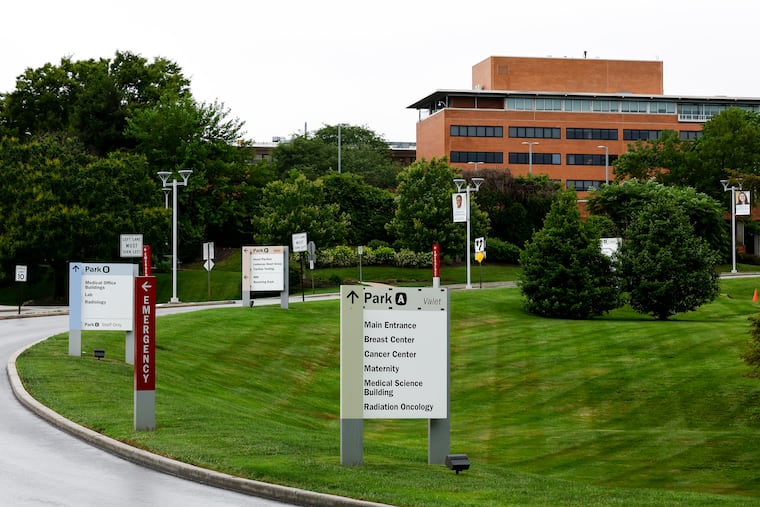
Main Line Health recorded a $134 million increase in its reserves for potential medical malpractice claims, turning what would have been a $75 million operating profit in fiscal 2026 into a $33 million loss, officials said.
“Had we not had this $134 million added reserve, this would have been a banner year,” Main Line CEO Ed Jimenez said in an interview Thursday. “The amount that we reserved this year alone extra is more than the money we’ve reserved in the last six years total.”
Jimenez attributed the huge increase in reserves to the end of a special rule in Pennsylvania for healthcare lawsuits that had required malpractice cases to be filed in the county were the injury happened. Now, cases can filed in any county where a defendant does business, as is the case in other industries.
“The venue change has scared all of us to death,” Jimenez said. Health systems hire specialists to review past claims and make projections for future malpractice expenses. “Their job is to do some math and try to protect organizations from not having enough money to pay malpractice,” he said.
Like other health systems, Main Line this year added a clause to its patient waivers requiring a malpractice lawsuit to be filed in the county where the treatment occurred.
The Pennsylvania Superior Court had ruled in 2025 that such waivers, which count as contracts, trumped civil procedure rules that would allow lawsuits to filed in a jurisdiction like Philadelphia, where juries sometimes award extremely large damages. That possibility has increased settlement amounts, officials at other health systems have said.
Even with the restrictive waiver in place, Main Line still has three years — or even longer in the case of babies delivered at Main Line hospitals — of exposure to cases potentially being filed in Philadelphia.
The increase in medical malpractice reserves is an accounting charge, not cash paid out, noted Main Line’s chief financial officer Leigh Ehrlich. That means it didn’t reduce the health system’s cash reserves that it uses to pay day-to-day operations.
Main Line’s total revenue increased by 12% to $2.9 billion, including $26.6 million in COVID-19 relief funds from the Federal Emergency Management Agency.
Ehrlich said Main Line outperformed projections during July and August, the first two months of fiscal 2027, and expects to be profitable for the full fiscal year.