Philly jails dropped a monthly addiction shot to save money. Now 1 in 3 inmates is misusing the cheaper pill.
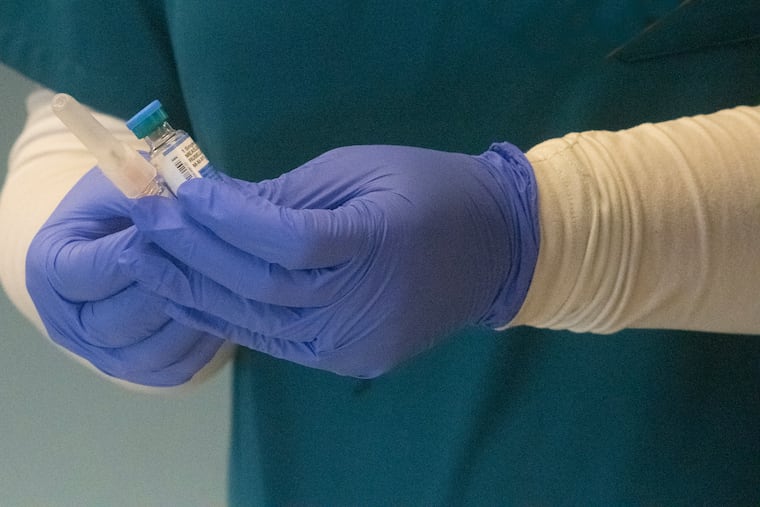
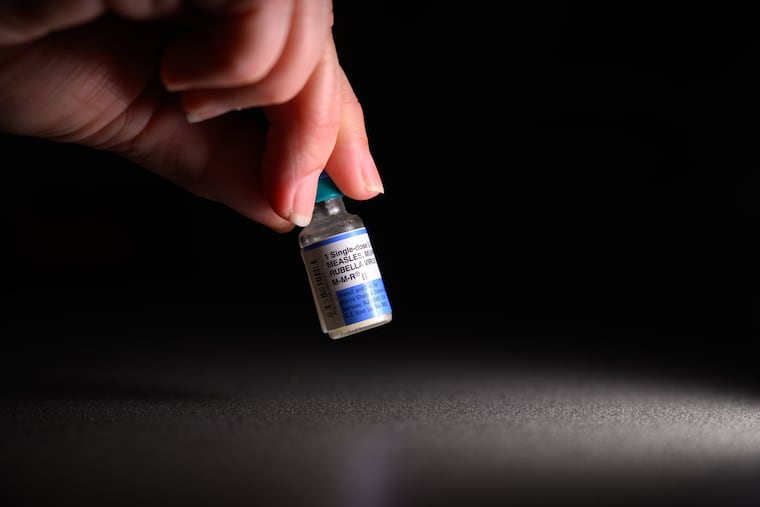
The treatment, a once-a-month shot called Brixadi, had significantly reduced the number of people misusing the daily oral version of the same drug. But it cost more than 50 times as much as the pill.
Two years ago, Philadelphia’s jails were struggling to stop prisoners from misusing a daily pill offered to ease the craving and withdrawal symptoms that make it hard to overcome opioid addiction.
The city’s solution: a once-a-month shot that eliminated the potential to sell, trade, or give away the medication.
City leaders touted the injection, called Brixadi, as a way to enhance a jail addiction-treatment program long considered one of the most comprehensive in the state. A pilot launched in late 2024 with immediate success, leading to expansion to the city’s intake jail and other facilities four months later.
This year, the city took it away.
The reason, city officials say, is cost. Brixadi costs led the city last year to overspend by nearly $1 million its $4.3 million budget for addiction treatment in the jails, officials said.
As the city moved to rein in the expense, Mayor Cherelle L. Parker’s administration in June slashed funding for jail-based addiction treatment by more than half. The city’s total budget for the program is now about $2 million, according to budget documents.
The city imposed the reductions even as it has begun receiving the first of hundreds of millions of dollars from legal settlements with the pharmaceutical companies that fueled the opioid epidemic.
City and jail officials say that the cuts are the result of extensive discussions around how to appropriately prioritize settlement spending and introduce cost-effective measures to prevent misuse of these drugs.
Officials are “looking systematically” at how they can “do the best for the most number of people” suffering from opioid use disorder, said Deputy Managing Director Crystal Yates-Gale, who oversees health and human services for the city.
Advocates for people suffering from opioid addiction say the move sets back efforts to rehabilitate those whose low-level offenses land them in city jails. Roughly 1,700 people booked into Philadelphia’s jails in 2024 were treated for an opioid use disorder, according to the city’s most recently reported data.
Treatment behind bars can lower their risk of dangerous complications during withdrawal and of dying of an overdose in jail or after release, when people are especially vulnerable. Families have sued the city over such deaths in recent years.
City officials did not provide information for months in response to The Inquirer’s questions about changes to its jails’ addiction-treatment program. Only after the newspaper filed a public records request — and appealed the city’s decision to deny it in part — did they begin providing detailed figures on the funding and numbers of people treated, as well as make decision-makers available for interviews.
At a hearing last week of City Council’s Committee on Legislative Oversight, jail officials were asked what had happened to the injections. The officials cited their cost at a time of significantly rising expenses for prison healthcare overall.
Inside the jails, the funding cuts meant relying on a cheaper oral medication, Suboxone, the same medication widely abused two years ago.
Suboxone is effective and the most cost-efficient option for the city, “given available funding and rising medical expenses needed to treat all patient needs,” said Sharon Gallagher, a spokesperson for the Philadelphia Managing Director’s Office.
But since the city stopped prescribing Brixadi, the same problematic patterns have returned: One in three of the 719 people prescribed Suboxone in city jails since the switch in June got caught misusing it, city officials said in a statement. They were ultimately cut off from treatment.
Gallagher said that the jails’ opioid treatment medication policies have not changed and that officials “remain committed to ensuring that every person housed in our facilities who needs medication-assisted treatment receives it.”
But at last week’s hearing, at-large Councilmember and Minority Whip Nicolas O’Rourke, a member of the Working Families Party, called for further investigation into the decision to end this treatment option.
Incarceration is “a public health challenge directly impacted by the care provided on the inside,” he said, noting that whether people leave jail still in treatment can shape their ability to rebuild their lives.
Addiction treatment in Philadelphia jails
Philadelphia’s jail system is one of the few in the state that allow incarcerated people in addiction to start treatment with a class of drugs that contain legal forms of opioids, considered state-of-the-art for addiction treatment.
That has included in recent years both Suboxone, taken as a daily pill, and Brixadi, an injection whose effects last for a month, in addition to other medications.
In July 2024, four months before the jails began offering Brixadi, Bruce Herdman, the jails’ longtime medical director, told The Inquirer that about half of the prisoners prescribed Suboxone had been removed from the program for selling it, trading it, or giving it away — a practice known as diversion.
A pilot run offering Brixadi launched in November 2024 under the Parker administration at Riverside Correctional Facility with 46 patients. By 2026, before the program ended, 563 patients had received the injections. A source familiar with the program, who was not authorized to speak publicly, estimated the injections cut diversion by at least 30%.
Previously, prisoners caught misusing or selling Suboxone were typically tapered off the drug, then left without any addiction treatment for the rest of their time in jail, officials said.
The monthly shot, they said, gave those prisoners another chance at recovery.
The rollout of Brixadi at the city’s jails coincided with the launch of the Parker administration’s “Wellness Ecosystem Initiative” to tackle opioid use in a city that has long struggled with high overdose rates and an open-air illicit drug market in the Kensington neighborhood that is one of the nation’s largest.
She pledged to make the city a national model for opioid treatment. Philly Home at Girard, a low-barrier shelter, opened in 2024 with 180 beds. And in 2025, city officials unveiled the Riverview Wellness Village, a city-run recovery home with 336 beds.
A major source of funding for addiction treatment comes from several multimillion-dollar legal settlements from opioid manufacturers, distributors, and pharmacies. Parker’s predecessor as mayor, Jim Kenney, had first allocated some of this money to the jails’ treatment program in 2023.
In June, as city officials reduced the share going to the jails’ medication-assisted treatment budget to $2 million, they directed roughly $151 million over five years to operations, programming, and other costs at Riverview Wellness Village and Philly Home at Girard. Funding for these efforts can come from both opioid settlements and other sources, city officials said in response to a right-to-know request.
At last week’s oversight hearing, O’Rourke questioned whether the settlement funds had been “diverted to other administration priorities.”
In a subsequent interview, Yates-Gale said she would “push back hard” on the idea that “we’ve taken something from one group of people to allocate it to other people.” City officials, she added, are seeing success at the treatment locations.
City officials declined to say how many people have been treated for opioid addiction at Riverview Wellness Center and Philly Home at Girard, saying doing so would compromise patient privacy due to the small number of patients involved.
City officials said they had to tap into settlement funds from the previous year, as well as money from the jails’ general fund, to make up the budget shortfall resulting from Brixadi’s expense. They called the cost unsustainable in a statement.
Yates-Gale said the city was aware of the high cost of Brixadi when launching the jails’ program, but is now taking a more “holistic” approach toward allocating opioid settlement dollars.
Suboxone, the oral treatment used in place of Brixadi, costs about $50 per patient a month, or about $600,000 a year. Between 1,200 and 1,400 prisoners received it annually in the last five years, city officials said in response to the right-to-know request.
Brixadi costs $2,660 per patient for the first month and $1,776 for each month after.
“The math is simple,” Michael Resnick, the city’s prisons commissioner, said in an interview.
In May, the city signed a contract with a new jail healthcare provider, CFG Health. The cost of addiction medications under CFG Health has yet to be determined, officials said.
Back to the daily dose
Many of the patients who moved back to the daily medication had a history of diverting it — and did so again after the switch, according to the source familiar with the program who was not authorized to speak publicly.
Not everyone caught diverting Suboxone was doing so for profit, the source said. Some were being shaken down by fellow prisoners for their doses.
Those people, the source said, benefited the most from the injections and have now lost access to medication treatment for addiction.
The prisoners barred from the oral medication were slowly tapered off to avoid intense withdrawal, Resnick said.
Opioid withdrawal can be severe, and people who quit too suddenly and lose their tolerance face a higher risk of fatal overdose if they use again.
Resnick said that Brixadi shots were effective at preventing misuse. “I don’t know how you divert a shot,” he said.
Jail officials are now working to mitigate the risk of diversion by housing people receiving opioid-addiction treatment in the same units, Resnick said.
If everyone in a unit receives the same medication, “there would be less of an incentive to sell it,” he said. Medical staff have been “extra vigilant” in watching people take their doses to make sure they swallow them rather than hide them, he added.
Sarah Bleiberg Bellos, an attorney advocating for the civil rights of incarcerated people, said Brixadi is not always popular among prisoners with opioid addiction. Some simply prefer Suboxone, or have a skin reaction to the injectable drug.
But, she said, everyone behind bars has a right to treatment for opioid use disorder — in the form that is the best fit for them.
“Whatever form it is, they have a right to that treatment, and that’s what they should be getting,” said Bleiberg Bellos, who works for the nonprofit Pennsylvania Institutional Law Project.
The source familiar with the program said the monthly Brixadi injection helped prisoners walk out with medication already in their system, rather than having to start daily doses on the outside.
Resnick said officials are exploring a more limited use: giving prisoners an injection on the day of their release. That would “hopefully provide them with protection until they get enrolled into a program out in the community,” he said.
For now, he said, people released from the jails are provided with a five-day supply of medication and kits of naloxone, or Narcan, a medication used when someone has overdosed to keep them from dying.