Why Main Line Health stopped taking cash and checks
Taking cash is costly, and the transition to cashless payments happened without a hitch on Oct. 4, a Main Line official said.
Main Line Health has stopped taking cash and checks for patient copays, gift shop purchases, and all other transactions at its four hospitals in Philadelphia’s western suburbs and 100 other locations.
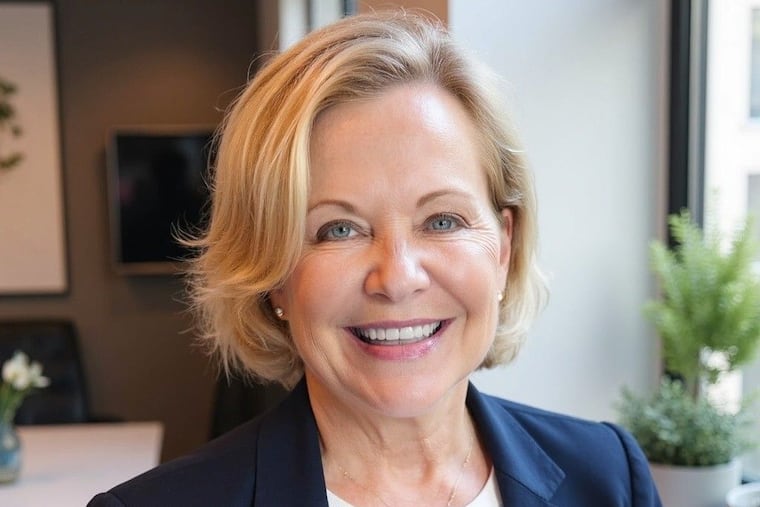
The Oct. 4 transition was seamless, said Johanna Weller, Main Line’s system vice president of patient access and revenue cycle, who oversaw the transition to a cashless system. “It was like a blip.”
Many businesses focus on credit card fees and impose a surcharge when customers pay with plastic, but accepting cash is also costly, Weller said.
The nonprofit was spending in the hundreds of thousands of dollars annually on two or three cashiers at major facilities, time spent processing deposits, and couriers collecting the cash, Weller said. The cashiers were moved to different jobs.
“It’s a significant expense,” Weller said.
Weller didn’t know if any other local health systems had stopped taking cash. The region’s two largest health systems, the University of Pennsylvania Health System and Jefferson Health, still take it.
Main Line had previous experience going cashless during the pandemic and found that it worked well, but didn’t make it permanent because the system’s since-retired chief financial officer didn’t think the time was right.
Now, given the continued societal shift away from cash to Apple Pay and other forms of electronic payment, Main Line felt confident enough to make the change, Weller said. The Federal Reserve Bank of Philadelphia stopped processing checks in 2009.
Main Line tracks patients’ payment preferences though its online patient portal — which the system encourages patients to use — and found that more patients were paying electronically anyway. Some locations, notably Lankenau Medical Center in Wynnewood, still had a significant number of people paying cash.
To prevent disruption for patients, Main Line installed what it calls “reverse ATMs,” which allow patients to insert cash and get a debit card to pay their co-pay or make other purchases. The health system covers the fees that the cash-to-card kiosk would normally charge.
Main Line has installed six reverse ATMs at hospitals and other major locations. In additional to Lankenau Medical Center, Main Line operates Bryn Mawr, Paoli, and Riddle Hospitals. It is considering whether to expand their availability to large outpatient sites, such as its clinics in Broomall and Exton, Weller said.