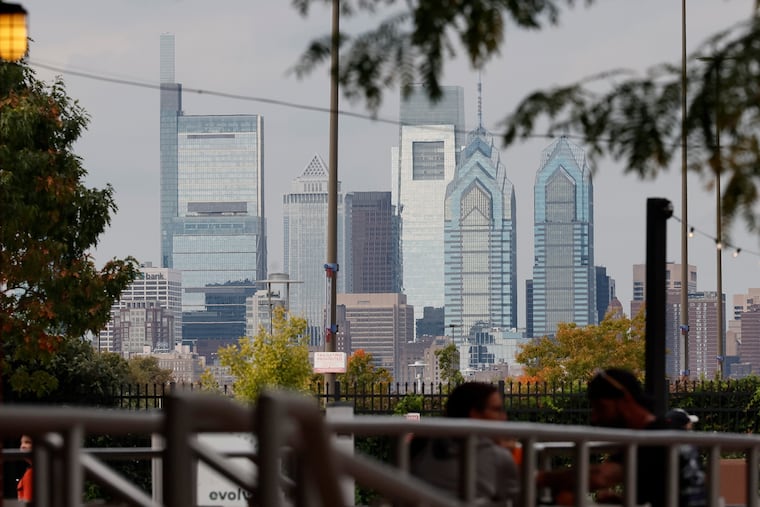
The fall of 1776 was grim in Philadelphia
The Museum of the American Revolution offers a two-day living history festival focused on Philadelphia days when independence was new and far from guaranteed.
Philadelphia. Fall 1776.
Independence hangs on by the slenderest thread. Philadelphia panics.
And Thomas Paine seeks once more to summon lightning with his quill.
Paine, 39, the Revolution’s most dangerous pen, witnesses firsthand the despair of the Continental Army. Traveling with the troops, Philly’s firebrand pamphleteer details the patriots’ sacrifice and suffering. The author of “Common Sense” — a 47-page thunderclap mocking the monarchy that, only months earlier, transformed independence from a daydream into a public demand — hopes to return to Philadelphia to set his latest revolutionary rallying cry to type. The American experiment, still in its infancy, may depend on it.
That is, if Philadelphia itself can survive.
Only months after the intoxicating euphoria of July 4, when a world-shaking Declaration rang out from the makeshift capital, unease and uncertainty now reigns in Philadelphia. After a series of defeats, the Redcoats have Washington on the run in New York. The Founders are convinced Philly is next.
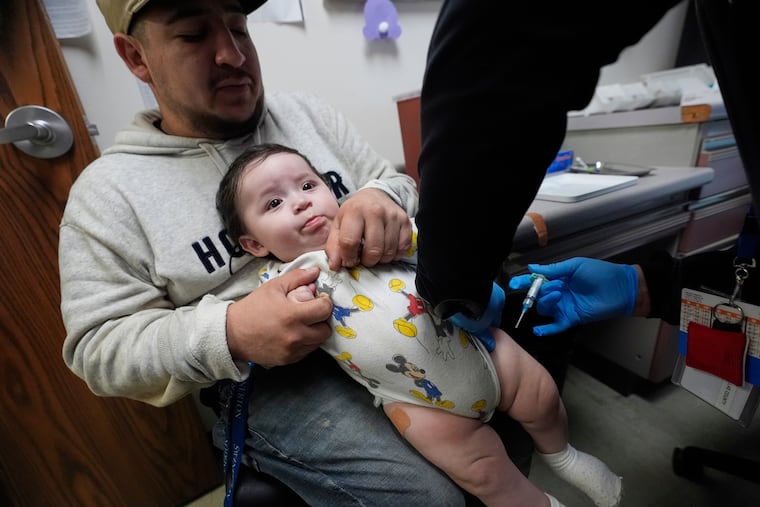
Rumors of impending invasion course the stricken city. Outside the State House, where the Founders conspire, officials rally volunteers to the city’s defense. Militias train. Desertion grows. Newspapers plead with subscribers to go door-to-door to raise $50,000 for the city’s defenders. Smallpox rages. Hunger and fear mount. The dead of Philadelphia are buried in shallow trenches near Walnut Street Prison.
By December, as the British advance just 30 miles outside the city, Philadelphia businesses shutter for safety. Congress flees. Philadelphians abandon their city for the rural hinterlands.
“This city for days was the greatest scene of distress that you can conceive,” writes Philadelphia patriot Robert Morris a few days before Christmas 1776. “Now it looks dismal and melancholy.”
‘Times that tried Men’s Souls’
Independence was not easy. Especially in Philly. It wasn’t all Declarations and fireworks and drinks at the City Tavern, said Tyler Putman, senior manager of Gallery Interpretation at the Museum of the American Revolution.
“Independence was announced in July, but by October and November and December, all signs from New York are that it’s not going to be successful,” he said. “The mood would be that the Republic is not going to survive the year.”
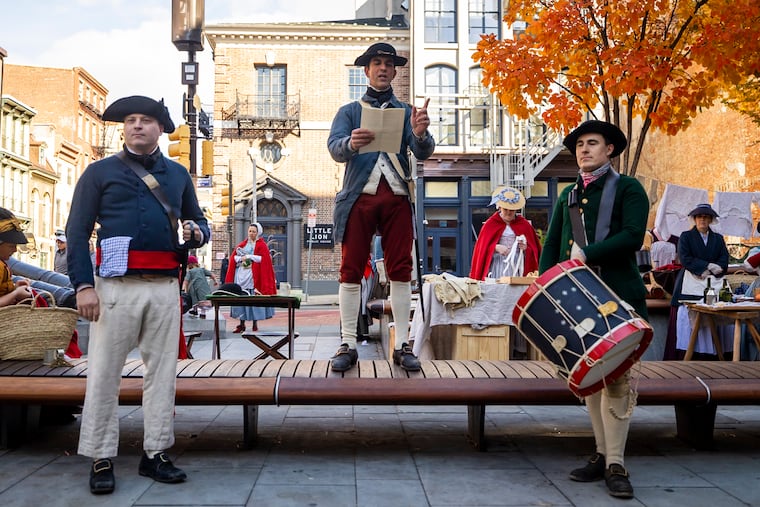
This weekend, the Museum of the American Revolution aims to recreate those perilous, often overlooked months, when independence seemed fleeting, and doom knocked on Philadelphia’s door, in its largest-ever living-history festival.
Entitled “Revolutionary Philadelphia: 1776″ and scheduled for Oct. 17 and 18, the event stretches beyond the museum’s galleries, onto the plaza and sidewalks outside the Old City plaza with recreations of colonial markets and military camp grounds, scores of reenactors, guided walking tours, book-signings, dramatic vignettes, street theater, and even a Halloween costume contest for the kiddos.
Falling just months after the nation celebrated the 250th anniversary of the Declaration of Independence, it seemed only natural to focus the annual event on the travails of Philadelphians in the months that followed that world-changing event, officials said.
“I think it is easy to forget that the Revolutionary War took eight years and was a closely run race,” said Putman, who will serve among the ranks of reenactors, and recently donned a tricorner hat and waistcoat in a hilariously engaging Revolutionary War Rocky spoof advertising the event.
The goal is to make history feel real and provide a fuller understanding of a time when independence was new — and far from guaranteed.
“You get to really meet people in a specific moment of history,” he said.
Like Paine, Philly’s working-class literary bomb-thrower, who in those cold, hard days of 1776 was determined to rekindle the fading fires of rebellion. Paine did not know that in the weeks ahead, Washington would read his powerful clarion call for American resilience — the “American Crisis, No. 1” — to the troops in the trenches, just before their daring Christmas Eve raid across the ice-choked Delaware at Trenton that rescued America’s fading chances.
Paine wrote, “These are the times that try men’s souls.”