Letters to the Editor | Oct. 19, 2026
Inquirer readers on City Council recognition for a West Philadelphia neighborhood and the Trump administration’s abandoned plans to livestream an execution.

Black Bottom
City Council was on good grounds to recognize the Black Bottom community in the first half of the 20th century in West Philadelphia. But the boundary described by Council — 32nd to 40th Streets, Lancaster Avenue to Civic Center Boulevard — is false to history. Census records show that in 1940, long before urban renewal changed it, this area was only 28% Black. Descendants of the chiefly Black section in “the Bottom,“ as the lowlands beside the Schuylkill were called, say it mostly lay within a block or two around 34th and Market.
This modern reimagination of the Black Bottom has more to do with the present than the past. The larger area has developed into a hub of eds and meds worth more than $4 billion in real estate. It may tempt some to assert an “ancestral” claim to a bit of that economic activity now. It is good to celebrate the history of every ethnic community in a neighborhood. Yet most Philadelphians don’t live on the same block their grandparents occupied. History also teaches us that every community in a busy city is always moving on.
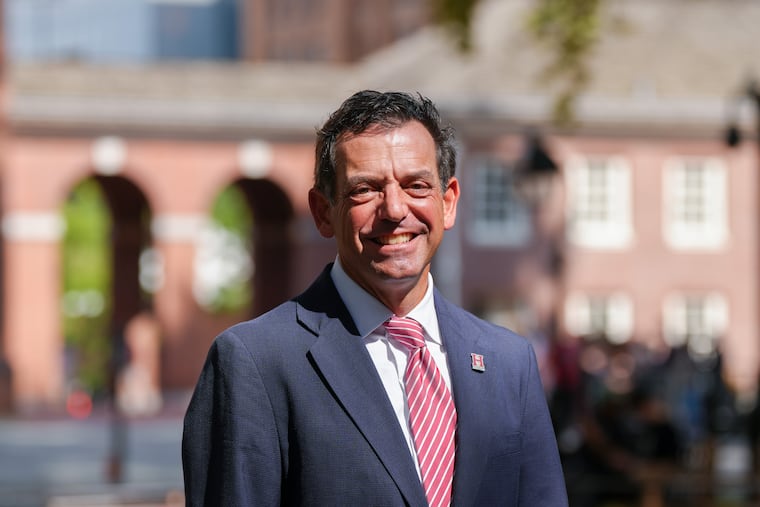
Tony West, Philadelphia
Sandwich police
For decades, the Kibitz Room in Cherry Hill has served Jewish deli classics. Now New Jersey wants to fine it $1,000 for calling itself a Jewish deli without disclosing that its food isn’t kosher.
Bureaucratic lunacy has reached a new frontier: The government is policing who gets to call a sandwich Jewish.
Apparently, without a disclaimer, unsuspecting Orthodox diners might wander in and accidentally devour a bacon cheeseburger.
Katz’s Delicatessen, Manhattan’s legendary temple of Jewish gastronomy, isn’t kosher either. Shall we dispatch the religious police to confiscate its pastrami?
Jewish identity isn’t a dietary certification. Jewish cuisine isn’t synonymous with kosher cuisine.
Has a single kosher-observant customer actually been deceived? Or has some regulatory zealot discovered another imaginary peril?
Enough already. Leave the deli alone.
Eric Ascalon, Cherry Hill
Livestream executions
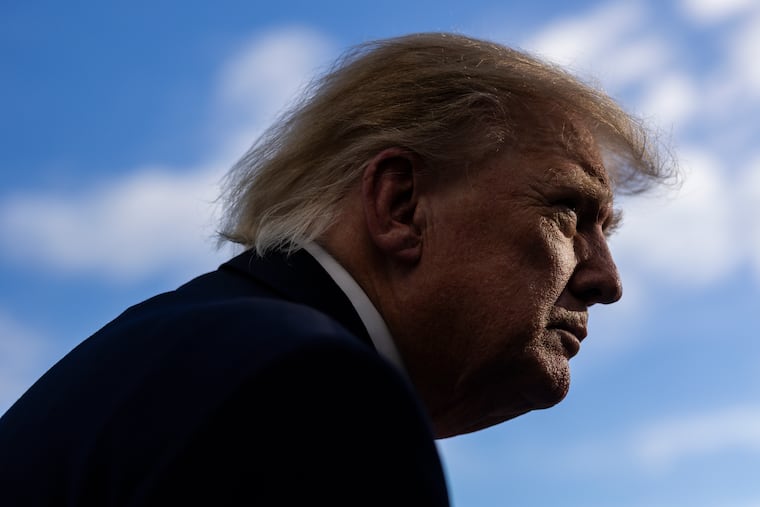
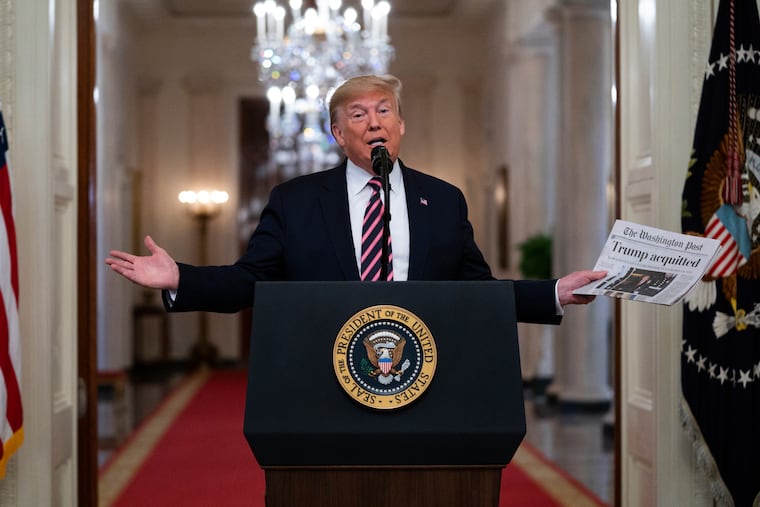
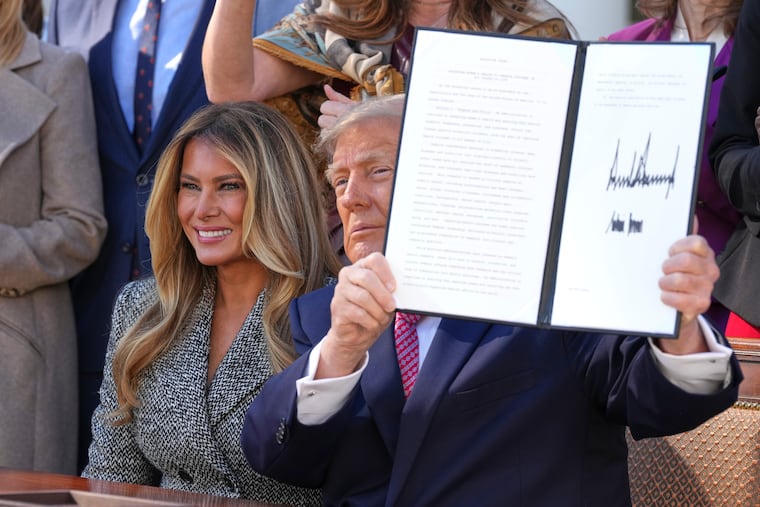
I was relieved to hear that President Donald Trump has abandoned a plan to livestream the Dec. 3 execution of Nidal Hasan, the former Army officer who killed 13 people in 2009 during a mass shooting at Fort Hood, Texas. The original announcement had elicited widespread condemnation, including from some conservatives and Republicans. The gist of the criticism was that livestreaming an execution would be an embarrassment for the country; that it would be traumatic for many, especially for children; and that even many supporters of capital punishment would find it revolting.
All of these criticisms are correct, but they imply that there would be nothing harmful about an execution if only it weren’t livestreamed. That is wrong. All executions are inherently atrocious and cruel. An execution by the government has a veneer of justice, but underneath is nothing but cruelty and vengeance. And when vengeance is wrought on another human being on behalf of all of us, we all suffer a profound moral injury — whether we oppose or support it, whether we witness it and are horrified, or whether we turn away and try to ignore it.
Matthew Lawry, Elkins Park
Join the conversation: Send letters to letters@inquirer.com. Limit length to 150 words and include home address and day and evening phone number. Letters run in The Inquirer six days a week on the editorial pages and online.
About letters to the editor
Letters feature a reader’s written opinion and are submitted in response to an article in The Inquirer or another topical issue. Submissions should be sent to letters@inquirer.com. Limit length to 150 words and include the writer’s home address and day and evening phone number. Letters are published in the Inquirer six days a week on the print opinion pages and online.