City Council wants to make it easier to build apartments around most South Philly subway stations
The zoning change would be especially beneficial to Snyder Station, which has struggled in recent years and has vacant land around it.
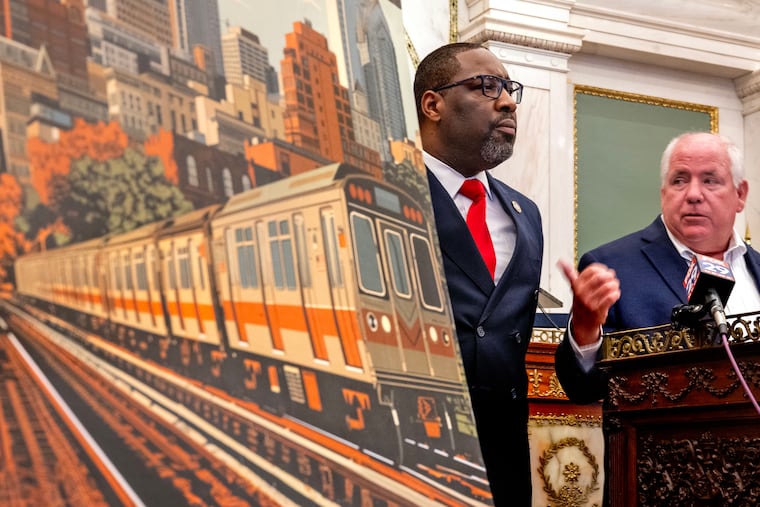
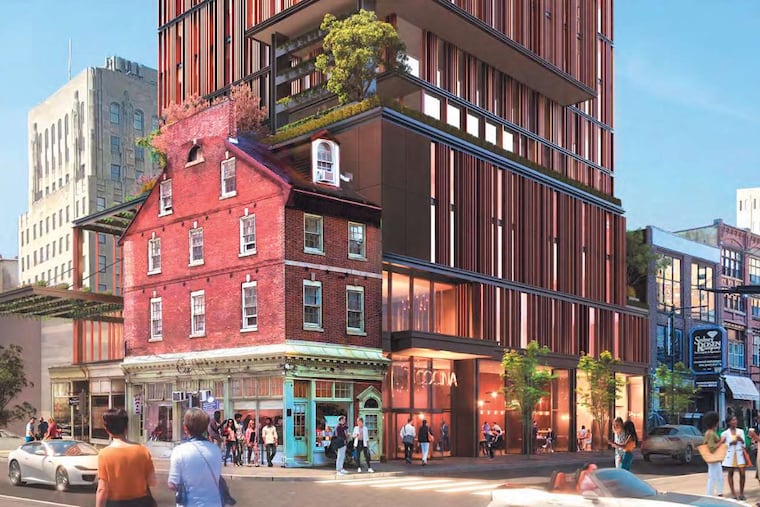
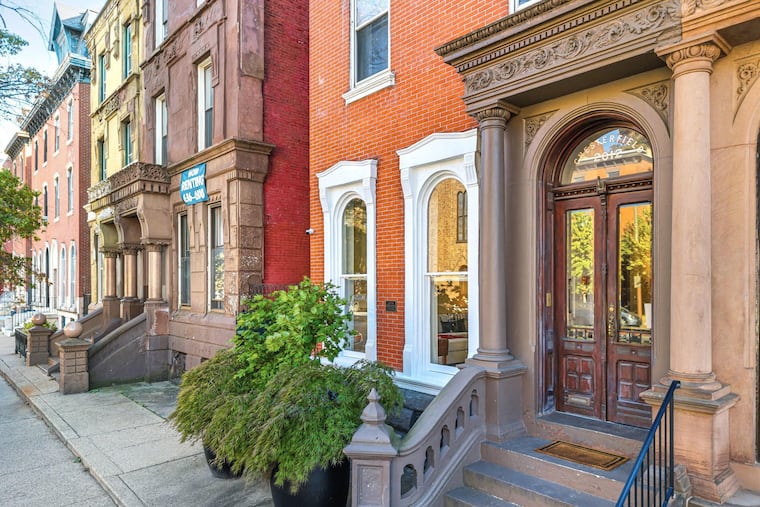
Philadelphia City Council introduced legislation Thursday to create a corridor of zoning incentives along South Broad Street meant to encourage multifamily housing development along SEPTA’s Broad Street Line.
The legislation would opt five subway stations into what Mayor Cherelle L. Parker has dubbed the “transit-oriented communities” zoning overlay, which boosts the number of units that can be built on areas zoned for multifamily and mixed-use development within a quarter mile of transit stations.
The legislation stretches the incentive from Locust Street in Center City to Pollock Street in South Philadelphia, from Lombard-South Station to Oregon Station.
It would include the bus stop at Broad and Christian Streets in Center City. It could run from 17th Street to the west to 11th Street to the east.
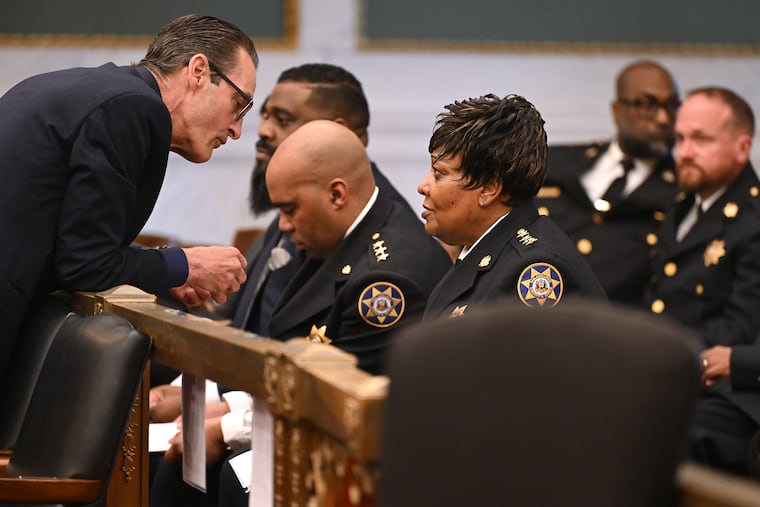
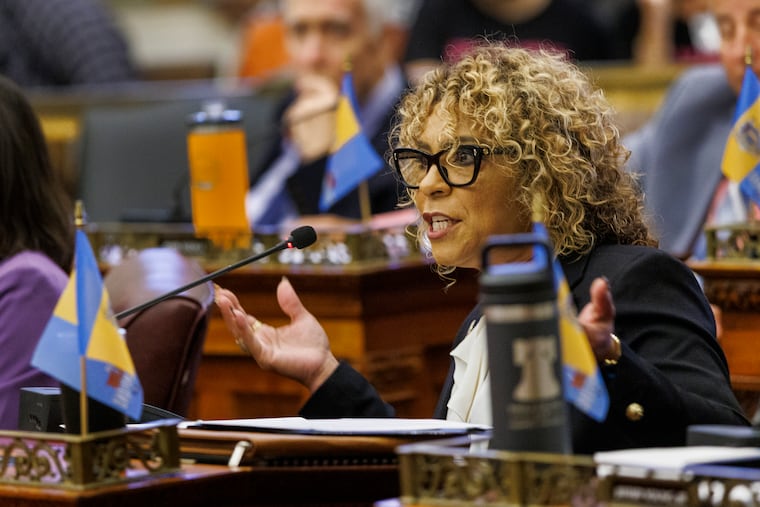
“I support transit-oriented development along South Broad Street,” said Council President Kenyatta Johnson, who introduced the legislation with Councilmember Mark Squilla. “Hopefully, it’ll bring some level of affordable and also market-rate development to those immediate areas.”
Squilla represents the eastern side of Broad Street. Johnson represents the western side.
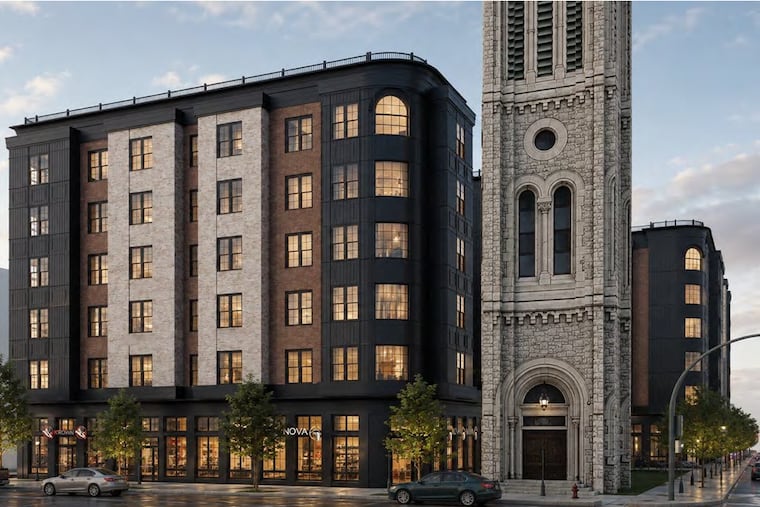
The bill builds on a Parker initiative earlier in the year that expanded an existing law that grants development incentives to most non-single-family properties around transit stations. That law increased a previous radius of 500 feet around a transit station to a quarter of a mile.
Transit advocates hailed the legislation.
“This is a big opportunity to build more housing where people can actually use transit to get to work and to opportunities,” said Jay Arzu, a member of the urbanist group 5th Square Advocacy. “It sets the precedent for building more housing and more economic development adjacent to stations.”
Unlike in other American cities, Philadelphia’s law does not apply to all transit stations. Instead, district City Council members have to opt their individual stations into the law.
That left a mixed pattern of adoption, with Councilmember Jamie Gauthier opting all the Market-Frankford Line stations in her district into the program long ago, while none on the Broad Street Line are included.
Johnson and Squilla’s proposal would finally change that.
“Both district Council offices have been in contact regarding station-area development impacts,” reads a memo obtained by The Inquirer from the Planning Commission about the legislation. “They have expressed intention to consult local civic groups.”
There could be some pushback from residents who live along South Broad Street, as was seen in a recent small apartment proposal for a surface parking lot in the Council president’s district.
But in that case, Johnson listened to organized community groups, who negotiated with the developer for concessions.
Squilla says he expects a robust debate on the legislation as neighborhood groups weigh in.
“Once you get into the more residential neighborhood, it’ll be a little more challenging because the area is so big now,” he said. “You might get some more pushback as this moves forward.”
Changes at Snyder Station
If the legislation passes City Council, the effects of the changes could be relatively limited around some of the stations. The quarter mile around Lombard South is already densely built, and there are few developable lots.
Much of the land around Oregon Station is either zoned for single-family residential or covers a public park, neither of which would be eligible for density bonuses.
But Snyder Station, which has struggled with vagrancy and drug dealing since the pandemic, could get a significant boost, transit advocates say.
“Snyder Station has seen better days,” Arzu said. “The neighborhoods surrounding it could benefit from more density there, could benefit from more eyes on the street.”
Johnson said the intersection of Broad Street and Snyder Avenue could use more development, and more residents.
“With this particular piece of legislation, hopefully, people will say, ‘Let me take a look at what we can build up and build capacity in that area, and add more foot traffic,’” Johnson said. “Hopefully it attracts more businesses.”
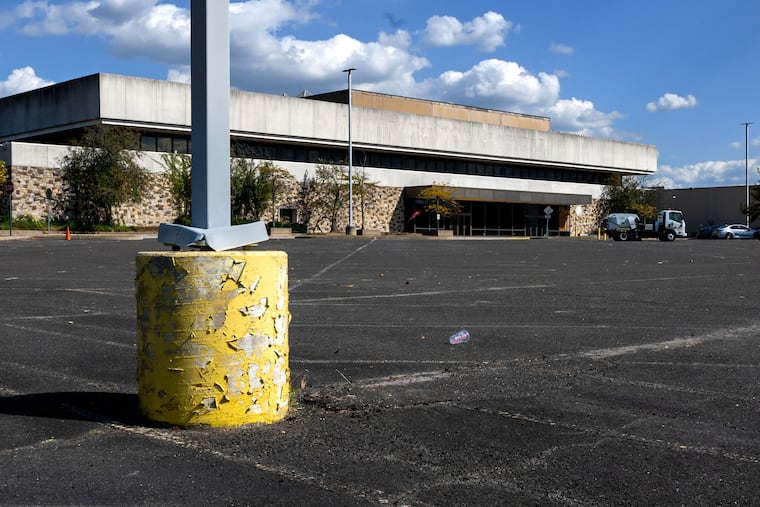
There also are a number of large surface parking lots and vacant lots nearby, including the property that used to host the Melrose Diner. Some one-story, low-occupancy retail buildings could be replaced with larger mixed-use structures.
“For the most part, the South Broad stations, there’s not a ton of areas that are going to see major changes. That’s one of the reasons why I think that this is moving so fast,” Arzu said. “Snyder is the outlier.”
What comes next?
Arzu sees South Broad Street as a test case. Johnson signaled earlier this year that he was interested in such a move, and Squilla has long been seen as open to the idea.
With the political will in place and fewer opportunities for big development on the corridor to draw opposition from neighborhood groups, the addition of these stations should be a relatively easy lift.
“It is important about both the Council president and Councilman Squilla signing on to this. It shows that they’re willing to put their money where their mouth is and open the door to other parts of the city joining,” Arzu said.
The bigger opportunities are on North Broad Street, which has a lot more vacant land and more areas with multifamily zoning in place.
But Councilmember Jeffery Young, a frequent critic of new development, has sought to block apartment development on North Broad Street around the former Hahnemann University Hospital.
He has not expressed interest in adopting the mayor’s new transit-oriented development overlay in his district.
“The goal here is to get those North Broad stations because they would be the most impacted by the … legislation,” Arzu said. “North Broad is really the next step.”