Here's how the City of Philadelphia is defending the Wash West historic district
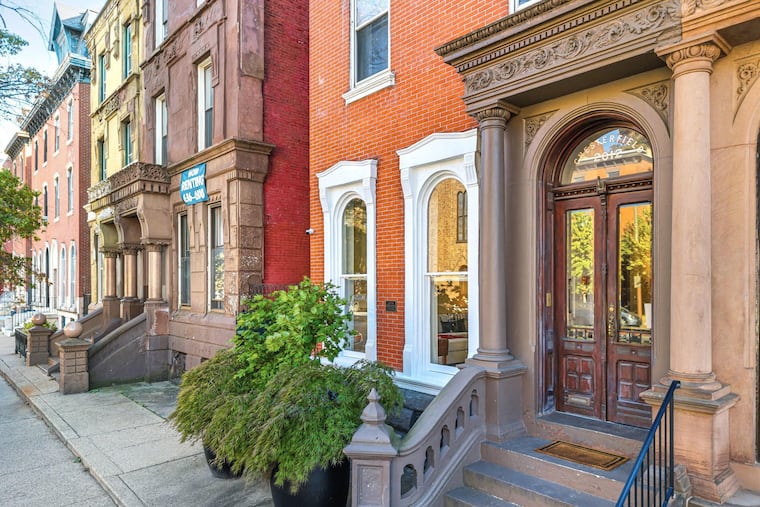
The city’s appeal means that the Washington Square West historic district remains in place while litigation continues.
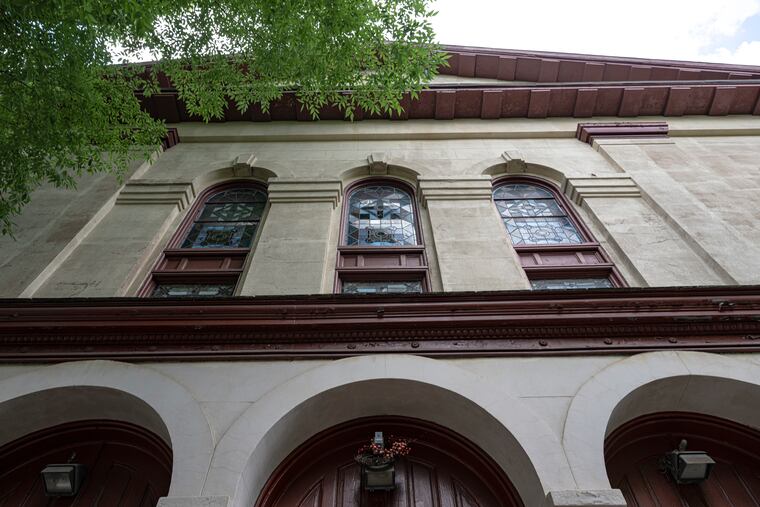
The battle over the Washington Square West historic district is not over yet.
The 1,441-property historic district has been caught up in litigation almost since its inception, with Common Pleas Court Judge Christopher Hall ruling against it in October, and the city quickly appealing his ruling to Pennsylvania’s Commonwealth Court.
The case is unusual because the Philadelphia Historical Commission usually wins appeals that try to reverse its designations.
The so-far-successful pushback against the Washington Square West district is part of a larger backlash against preservation regulations, which became more prevalent over the last 10 years.
The city’s appeal means the Washington Square West historic district remains in place while the litigation continues.
In advance of a Commonwealth Court hearing, Hall will have to write a full opinion on the matter, as his ruling came with only a few paragraphs of footnotes explaining his thinking.
The city and a group called Philadelphians for Rational Preservation, which opposed the district, will have to write full briefs as well.
The next ruling is expected by 2028.
This month, the Philadelphia Law Department filed a list of ways that it thinks Hall erred in his ruling, which offers a sense of how the forthcoming case could unfold.
Philly doubts validity of public meetings
Hall’s ruling found that the historic district was not supported by “substantial evidence” and that it was broadly unpopular.
He also took issue with a historical commission staffer who reviewed the nomination but did not testify in its defense and with a commissioner who helped draft and revise the nomination. The commissioner did recuse herself from the vote.
Hall found that Philadelphians for Rational Preservation was within its rights to challenge the district because homeowners would be immediately impacted by the new regulations on their homes.
The city challenged all those findings, arguing that Hall should not consider lack of support for the district when he noted that 85% of those who testified about the district at a 2024 historical commission meeting were opposed.
“The record does not reflect the overall views of affected owners, businesses, or residents, but only the self-selected bias of the limited number of persons who provided public comments,” the law department wrote in the city’s November rebuttal.
The city also argued that Philadelphians for Rational Preservation should not be allowed to pursue the case because the group “failed to identify any constitutionally protected property interest affected by historic designation.”
The law department argued that the group presented “no evidence of actual harm.”
In recent months, Philadelphians for Rational Preservation has argued that the district would impose a de facto “preservation tax,” which would add thousands of dollars to home renovations.
The kinds of materials required under preservation regulations are usually more expensive, while some changes — such as replacing doors and windows — would require homeowners to obtain a permit, which they previously would not have needed. That could result in additional wait time, bureaucratic hurdles, and extra costs.
The group’s website includes quotes from homeowners who oppose the district and who share their negative experiences with it.
No conflict of interest?
The judge also ruled against the new district because he found the affirmative case shaky.
“The nomination papers do not explain why most of the properties contributed to the district,” where the period of significance spans from 1740 and 1985, he wrote.
Hall noted that much of the documentation for individual buildings remained blank, with no information included for the year they were built, the name of the architect, or the structure’s historic function.
“No information appears in these fields more often than not,” he wrote.
The city’s law department disputes those findings.
The most detail in the appeal is the defense of Emily Cooperman, a member of the historical commission who told The Inquirer she helped write the original historic designation proposal almost 20 years ago, before she was on the commission. She also updated it more recently but recused herself from consideration of the case in 2024.
Philadelphians for Rational Preservation objected to her involvement while sitting on the commission. The judge appeared to agree, although a detailed objection was not included in his initial ruling.
“Dr. Cooperman recused herself from the commission’s consideration of the nomination, and there is no evidence of any commissioner having a conflict of interest or being improperly swayed,” the law department argues.
Further, the department argues, a proper response would have been to remand the issue back to the commission, not reverse its ruling entirely.