SEPTA ridership has returned to pre-pandemic levels
More than 822,000 people rode SEPTA in September, the highest level since February 2020.
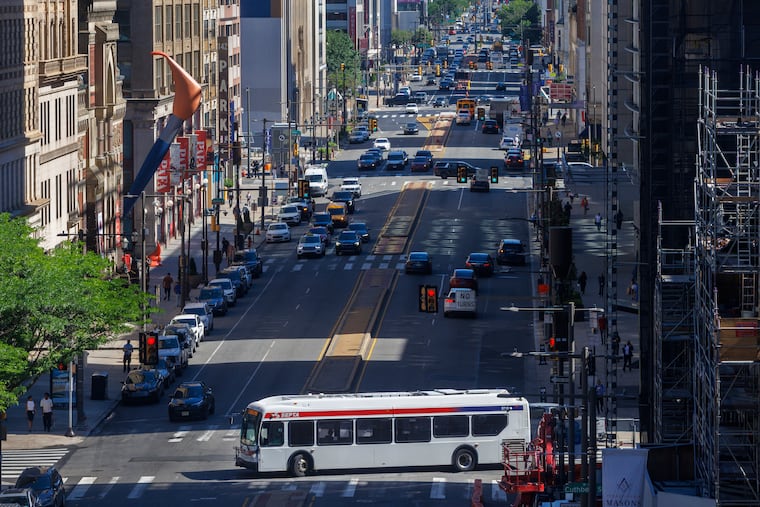
SEPTA has hit a key milestone: reaching pre-pandemic levels of ridership.
SEPTA’s average daily ridership in September passed 822,000 across all modes of transportation, the highest level since February 2020, according to new data the agency released Thursday. September also marked the seventh consecutive month of year-over-year ridership — up 8% compared with September 2025.
“Our focus on the fundamentals has raised our standards, and riders are noticing the difference,” SEPTA general manager Scott A. Sauer said. “They are seeing cleaner stations and vehicles, the system feels safer, and it is becoming easier to use and more accessible.”
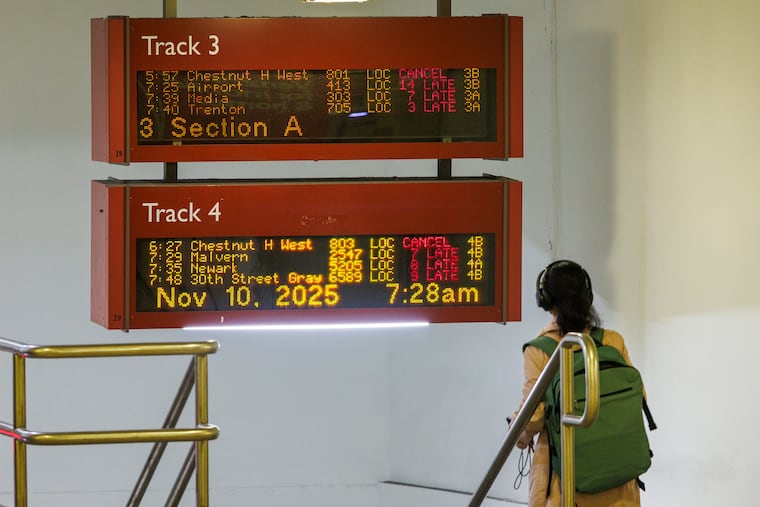
Transit systems across the country are trying to bounce back ridership after years of decline due to rising costs of travel, hybrid work keeping more commuters at home, and the pace of post-pandemic economic recovery. SEPTA worked to address antisocial behavior, like smoking on the Market-Frankford Line, and is working to establish reliability on Regional Rail after fires on Silverliner IV trains took more than 200 railcars out of service.
More than 800,000 people rode SEPTA on 18 out of 21 weekdays in September. Tuesday, Wednesday, and Thursday are the most popular days to take transit.
The agency credits the weekday ridership boom in part to the New Bus Network, according to a new performance report covering the first five weeks of service.
The network, SEPTA’s long-delayed streamlining of its bus system, brought changes to 30 routes, including more frequent service on routes with high ridership and buses coming less often on lower-performing routes. Impacted routes experienced a 7% increase in average weekday ridership, with weekend travel growing by 12% on Saturdays and 18% on Sundays.
“We’ve thought for some time that there’s pent-up demand, and I think we’re seeing that play out,” SEPTA spokesperson Andrew Busch said of the boom in weekend bus ridership. “The new bus network is aimed at making the trip more reliable by making it more frequent and making better, more convenient connections to other services.”
Bus riders, who account for more than half of SEPTA’s ridership, were up 14% overall compared with the same time last year.
While buses, trolleys, and the Broad Street Line (now dubbed the B) have experienced stronger weekday ridership, Regional Rail is still trailing behind last year’s totals.
Busch attributed the lag to capacity and frequency issues, which the transit agency hopes to help address with the purchase of 24 used railcars from the Montreal Transit Agency and the leasing of 10 others from Maryland Area Regional Commuter Rail (MARC) in December 2025.
Railcar procurement can take five years to complete, Busch said. The 34 used railcars will be put into service in early 2027.