Pa. Board of Education just rejected a plan to make it easier to score advanced on state tests
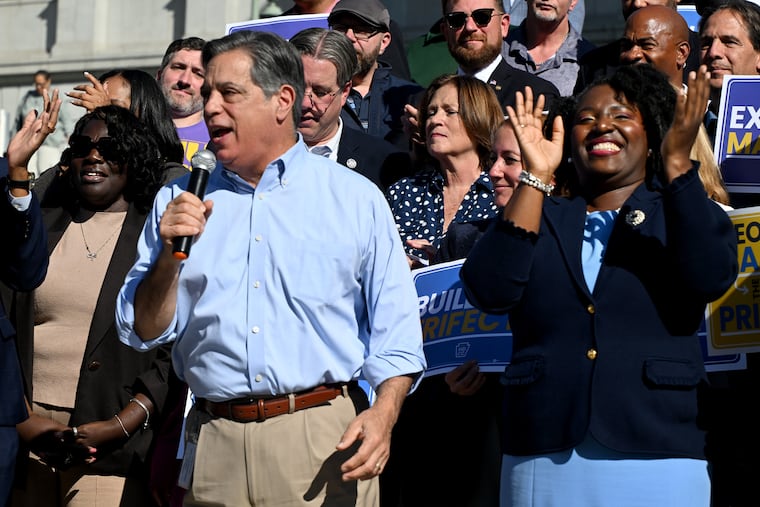
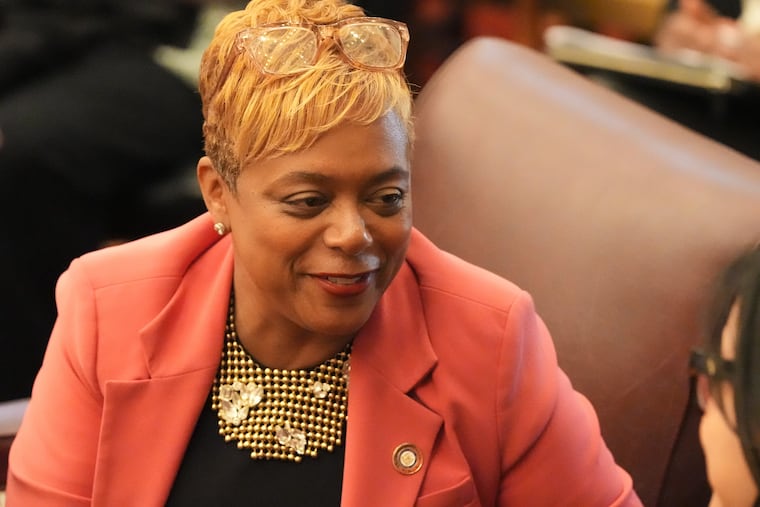
"It would be better, more appropriate" to change cut scores next year, state board member Sandra Dungee Glenn said at a board meeting Thursday.
The state Board of Education has rejected a plan to make it easier to score advanced on state tests.
The board, by a 9-5 vote Thursday, said no to lowering the bar for the top designation on exams taken by students across the commonwealth.
It was an about-face following a public presentation earlier this month on proposed changes to the “cut scores” on PSSA and Keystone Exams. The Pennsylvania Department of Education had wanted the board to approve its changes immediately and apply the changes to the exams students took this spring.
Officials had said the move was necessary to better line up students’ learning expectations and exam performance, and aligned with national trends.
» READ MORE: Philly pushes school selection back as Pa. moves to make it easier to achieve advanced score on state tests
Ultimately, multiple board members expressed discomfort with the proposal.
“I’m just not sure that 2026 is the right year to serve as our baseline going forward,” said state Senator Lindsey Williams (D., Pittsburgh), a board member who noted that this was the first year all Pennsylvania students took exams online, and that there were widespread technical glitches in administration.
Williams said neither the board nor the public had enough time or information in advance of such a major change to consider its implications.
Board member Sandra Dungee Glenn said she appreciated the work of the educators who arrived at the recommendations for new cut scores, but “it would be better, more appropriate to do it next year.”
Here’s what the vote means:
Why were the changes being proposed?
Amy Lena, a PDE Deputy Secretary, said the change was needed “to ensure that performance labels accurately reflect what students know and can do, but not to make assessments easier or harder.“
Changes were overdue, administration officials said — Keystone cut scores were last recalibrated in 2012, and PSSAs in 2015.
A panel of 90 educators came up with the recommendations adopted by the board.
The change would not have made it easier for students to reach proficiency, just advanced status.
Brian Campbell, PDE’s director of the Bureau of Curriculum, Assessment and Instruction, said the new cut scores and descriptors would have provided more information for teachers, a “direct link now that a teacher can use to develop the lesson plans and the instruction around the performance-level descriptors.”
What affect will the cut score change rejection have on the release of 2026 PSSA and Keystone scores?
If the changes it recommended were made, PDE had planned on releasing final 2026 PSSA and Keystone scores to schools very soon, with parents receiving them in early 2027.
PDE officials said districts will still get test scores, but they will need to be re-run under the cut scores already in place.
It’s unclear how long that might push back the release of that information.
That timeline is especially consequential in Philadelphia, where the school district has already delayed twice its school-selection window for admission into criteria-based schools, most recently to Dec. 16.
What’s the reaction been like?
And while officials said the move was necessary to better line up students’ learning expectations and exam performance, it drew criticism from some, who protested the watering down of standards.
Mark Gleason, managing partner of the Philadelphia-based venture philanthropy Drexel Fund, objected to what he said was a lack of parent input on the changes, and said it was wrong for Pennsylvania to chase national standards when “the national trend is to lower standards when it comes to K-12 education.”
Gleason, former director of the Philadelphia School Partnership, now called Elevate 215, noted that student performance on national and international exams are declining.
“This is the national trend,” Gleason told the board. “I don’t think it’s what we want Pennsylvania to be participating in.”
The conservative Commonwealth Foundation also objected to the proposed changes. Rachel Langan, senior education policy analyst for the foundation, said the change would obscure data points, making it tough to compare student achievement year over year.
“Pennsylvanians should be highly suspect of the proposed test score changes,” Langan said in a statement. “Administrators and bureaucrats are rewriting history right in front of our eyes.”
State Rep. Peter Schweyer (D., Lehigh), another board member, voted for the cut score change, but “reluctantly,” and said he thought that while the process behind it was done correctly, communications needs to improve and scores need to be examined more than once a decade.