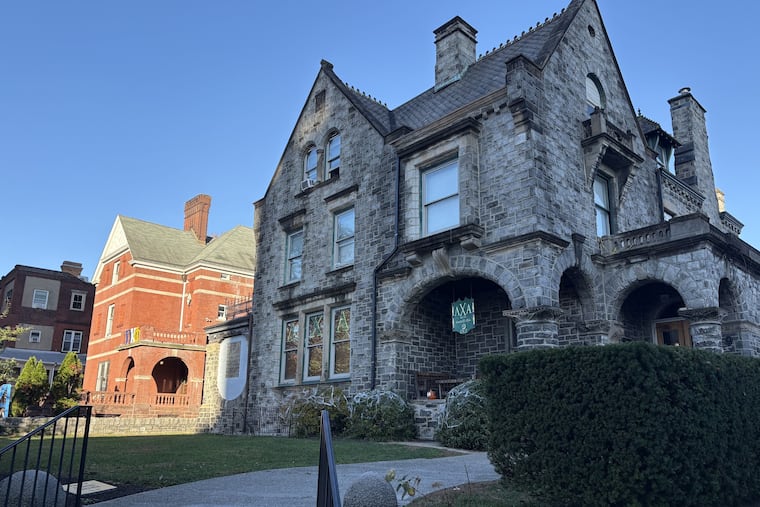
A Chestnut Hill elementary school sent 350 kids home amid water woes
J.S. Jenks, on Germantown Avenue in Chestnut Hill, sent its 350-plus students home early Wednesday because of a water service disruption. It's not clear when the issue will be resolved.
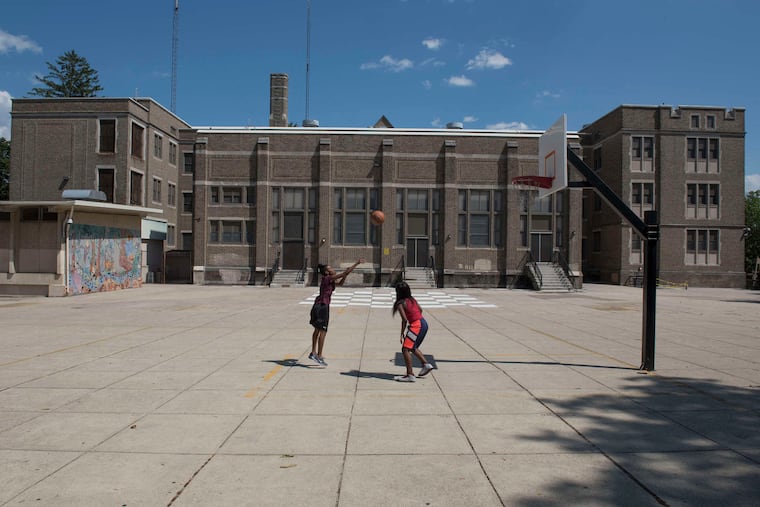
Nearly 400 students were sent home from a Chestnut Hill elementary school Wednesday after a disruption of water service.
J.S. Jenks Academy of Arts and Sciences, a Philadelphia School District school on Germantown Avenue, dismissed its students at 10:30 a.m. The school had no hot water on Monday, according to people inside the building; students were off Tuesday for Election Day, and at least parts of Jenks had no water at all Wednesday.
Students were told not to flush toilets, people with firsthand knowledge of the situation said, and had no access to running water to wash hands.
“Earlier today, a loss of water service on the third floor and a leak in the domestic water line in the boiler room resulted in a loss of water pressure throughout the building,” Teresa Fleming, the district’s chief operating officer, wrote in a letter to families. “Facilities and Maintenance staff are on-site working to address the issue.”
There is no timeline for restoring water service, Fleming said in the letter, which was obtained by the Inquirer. It’s not clear whether students will be able to return to the building for classes Thursday.
Jade Ward, president of the Jenks Home and School Association, said she was frustrated by students spending three hours in a building with no running water, and worried about food safety — the school served breakfast and lunch before dismissal.
Jenks families received an email from the school at 8:15, an hour after children arrived, notifying them about the issue. Maintenance staff were on site assessing the problem, the letter said.
“Please note that we do not have authorization to relocate at this time,” the letter to families said. “Once our action plan is vetted and approved by the district, we will follow up with further updates and next steps immediately.”
Families were finally notified of the 10:30 dismissal minutes before it happened. Students were walked from school to a nearby recreation center, which does have running water, to wait for family members.
Ward, who picked up her own children from Jenks soon after she learned there was no water, reached out to central office staff herself on behalf of other families, and was frustrated by a lack of action and transparency, she said.
“Teachers were instructed not to tell parents that there was no running water in the building,” said Ward. “They were downplaying the issues in the building.”
Jenks’ facilities issue illustrates a larger problem in the district: old buildings coping with years of deferred maintenance sometimes have major issues crop up that interfere with student learning.
Jenks, built in 1922, has a building rated “unsatisfactory” by the district’s own measure.
The district aims to modernize the Jenks facility under a $3 billion facilities plan passed in April, but not until the 2032-33 school year. Projects planned include the installation of a pre-kindergarten classroom and the construction of a full-service kitchen.
Those projects could happen only if the school system secures significant philanthropic or state funding, however, beyond the $1 billion it will spend for higher-priority projects.
“With even further government and/or philanthropic funding, design work would begin in SY2026-27 for an additional modernization project at this school site that moves its School Building Score out of the unsatisfactory or poor category,” Jenks’ facilities report reads.