Here’s why white wines from Spain have made a turnaround
White wines from Spain had a reputation for being fortified or deliberately oxidized (think sherry) until the 1970s.
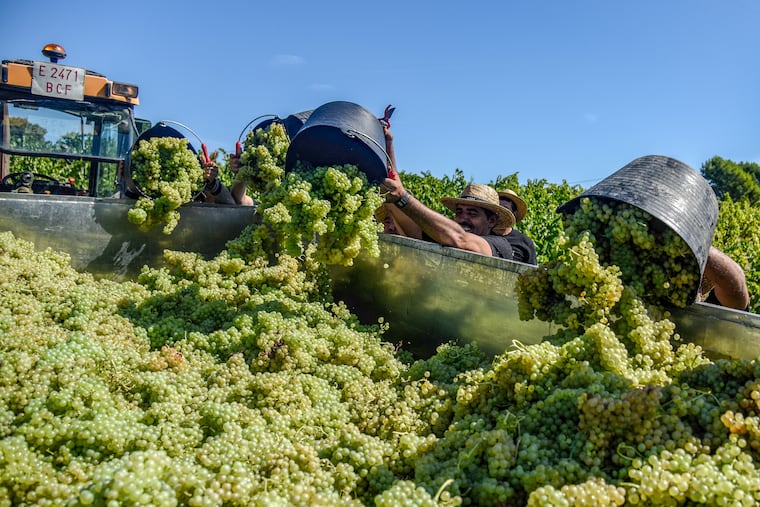
Red wines from Spain — the world’s third-largest wine-producing nation — may dominate exports to the U.S., but its white wines are getting a lot of attention in wine circles, too. That’s particularly true of those made with native Spanish grape varieties, like this white Rioja made with 100% viura.
Spanish white wines made in today’s clean fresh style are a relatively recent innovation, due to both geography and a quirk of European history. The balmy climate of most regions of Spain naturally favors red wines over whites, which spoil more easily in warmer places. Historically, fewer whites were made than reds and those whites were often either fortified with distilled spirits or deliberately oxidized through barrel maturation to extend their shelf life, giving them an amber color and flavors more like roasted nuts than fresh fruit.
All that changed in the 1970s, when technological advances in winemaking — like temperature control and stainless steel — led to a transformation in the country’s white winemaking culture. Spain is now known for vibrant whites like this example, from one of the most respected wineries of the Rioja region. It is made with 100% viura in steel tanks and tastes as fresh as a sliced Anjou pear with a squeeze of lemon. Give it a try as a change of pace from the same old dry, unoaked whites, like pinot grigio or sauvignon blanc. It pairs brilliantly with everything from salads and sushi to tacos or roasted chicken.
Cune Rioja Blanco
La Rioja, Spain
13% ABV
PLCB Item #100049323
On sale through Nov. 1 for $11.49 (regularly $14.99)
Also available at Swigg Real Wine, Craft Beer & Spirits ($16; swiggwine.com) in Wilmington, Del.