Letters to the Editor | Nov. 26, 2026
Inquirer readers on cuts to SNAP benefits and the future of the Pennsylvania Abortion Control Act.
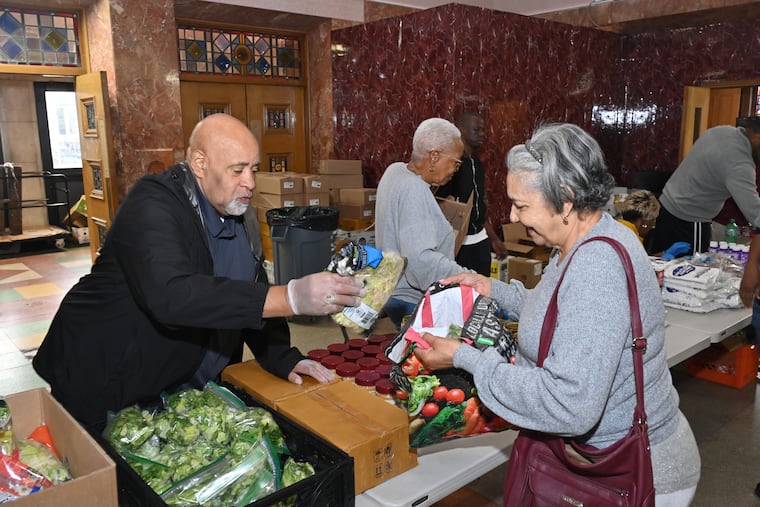
Hunger crisis
Congress has created a hunger and poverty crisis the likes of which we have not seen in decades.
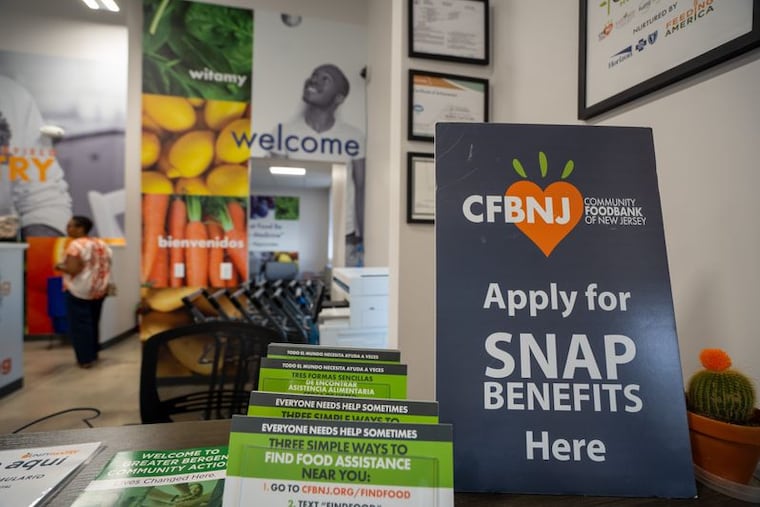
The Supplemental Nutrition Assistance Program (SNAP) helps over 40 million people put food on the table each month. In 2025, it lifted over three million people above the poverty line.
But Congress slashed SNAP in 2025 to help pay for tax cuts for the rich. More than five million people have already lost access to SNAP, including two million children. And starting in 2027, states must cover a portion of SNAP benefits, adding tens of millions of dollars to their state budgets. Sadly, most are expected to choose to cut SNAP rather than pay the money.
In the recent election, Americans sent a clear message that they are tired of Congress making it harder to live day-to-day.
If they truly care about the families they represent, our members of Congress will demand a clean, two-year delay of the SNAP cost shift for all states in any legislation they pass before the end of the year.
Ashley Farreny, Pennsauken
Misreading mandate
After reading the essay about repealing pro-life legislation by three authors from the University of Pittsburgh, I am greatly concerned that there has been a misreading of the recent election results in Pennsylvania.
Affordability and government corruption fueled the anti-incumbent fever among voters, according to the polling results. They were not demanding abortion up to the moment of birth, which would occur with a repeal of Pennsylvania’s time-tested Abortion Control Act. This is not the time to play politics with the health and safety of women and their unborn children.
Maria V. Gallagher, executive director, Pennsylvania Pro-Life Federation, Harrisburg
Law for sale?
Arguably the most eye-opening piece of information in the article about Donald Trump’s strong-arming of the law firm Kirkland & Ellis is the fees the firm charges. It claimed it did $11.8 million of pro bono work representing 6,491 hours of work. That comes to an average hourly fee of $1,817.90.
Given that legal work is usually done by a variety of lawyers of various ranks, some as associates whose hourly rates are generally in the hundreds of dollars, it suggests the hourly rates of the senior partners are $3,000 or more.
No wonder no one but the world’s wealthiest can afford representation by firms such as Kirkland & Ellis and Paul Weiss, the other firm mentioned in the article, and the first firm that agreed to work with Trump.
The incoming Democratic majority in Congress has single-payer healthcare on their agenda. Maybe they should include single-payer law-care, as well.
Steven J. Barrer, Huntingdon Valley
About letters to the editor
Letters feature a reader’s written opinion and are submitted in response to an article in The Inquirer or another topical issue. Submissions should be sent to letters@inquirer.com. Limit length to 150 words and include the writer’s home address and day and evening phone number. Letters are published in the Inquirer six days a week on the print opinion pages and online.